
 EN
EN
The manufacturing landscape demands precision and efficiency in metal processing operations, making the selection of appropriate leveling equipment crucial for B2B success. Advanced leveling technology has evolved to meet these stringent requirements, with modern systems offering unprecedented accuracy and productivity. Industrial operations increasingly rely on sophisticated machinery that can handle diverse material specifications while maintaining consistent quality standards. The integration of computer numerical control technology has revolutionized how manufacturers approach metal flattening processes, delivering enhanced performance and operational reliability.
Advanced Roller Configuration Technology
Multi-Point Contact System
The foundation of effective leveling lies in the roller configuration, where multiple contact points ensure uniform pressure distribution across the material surface. This multi-point system eliminates localized stress concentrations that can cause material distortion or damage during processing. Advanced roller arrangements typically feature varying diameters and positioning to accommodate different material thicknesses and hardness levels. The strategic placement of rollers creates a progressive leveling action that gradually removes internal stresses without introducing new deformations.
Modern configurations incorporate both work rollers and backup rollers, providing enhanced support and preventing roller deflection under heavy loads. This dual-roller system maintains consistent pressure across the entire width of the material, ensuring uniform leveling results. The roller surface treatments and materials are specifically engineered to minimize friction while maximizing grip, allowing for smooth material passage without surface marking or scoring.
Adjustable Roller Positioning
Precision adjustment capabilities enable operators to fine-tune roller positions for optimal leveling performance across various material specifications. Individual roller positioning systems allow for micro-adjustments that accommodate material variations and ensure consistent flatness tolerances. The adjustment mechanisms typically feature mechanical or hydraulic actuation, providing both coarse and fine positioning control for maximum versatility.
Digital position feedback systems provide real-time monitoring of roller positions, enabling operators to maintain consistent setup parameters and quickly return to previously successful configurations. This technological advancement reduces setup time between different jobs and ensures repeatable results across production runs. The ability to save and recall positioning profiles streamlines operations when processing similar materials or returning to previous job specifications.
CNC Integration and Automation Features
Computerized Control Systems
The integration of CNC technology transforms traditional leveling operations into precisely controlled automated processes. Computer-controlled systems monitor and adjust leveling parameters in real-time, responding to material variations and maintaining consistent quality standards throughout the production run. These systems incorporate sophisticated algorithms that analyze material behavior and automatically optimize roller positioning for optimal results.
Advanced control interfaces provide operators with comprehensive monitoring capabilities, displaying critical process parameters and system status information. The user-friendly interfaces typically feature touchscreen controls and graphical displays that simplify operation while providing detailed feedback on system performance. Remote monitoring capabilities enable supervisors to track production progress and system performance from multiple locations within the facility.
Programmable Processing Parameters
Programmable systems allow operators to create custom processing profiles for different materials and applications, storing these parameters for future use. This capability ensures consistent processing results and reduces the learning curve for new operators while minimizing setup errors. The programming interface typically includes material databases with recommended starting parameters for common materials and applications.
Adaptive control features automatically adjust processing parameters based on real-time feedback from sensors and monitoring systems. This intelligent adjustment capability compensates for material variations and environmental factors that might otherwise affect leveling quality. The system can detect changes in material properties or processing conditions and make corresponding adjustments to maintain optimal performance without operator intervention.
Material Handling and Feed Systems
Automatic Feed Control
Sophisticated feed control systems ensure consistent material speed and tension throughout the leveling process. Variable speed drives provide precise control over material advancement, allowing operators to optimize processing speed for different materials and quality requirements. The feed control systems typically incorporate tension monitoring and automatic adjustment capabilities to prevent material buckling or stretching during processing.
Entry and exit guidance systems help maintain proper material alignment and prevent edge damage during processing. These systems often include adjustable side guides and support rollers that accommodate various material widths and thicknesses. Automatic threading capabilities reduce setup time and minimize the risk of material damage during initial positioning.
Quality Monitoring Systems
Integrated quality monitoring systems continuously assess leveling performance and detect potential issues before they affect production quality. Laser measurement systems and contact probes provide real-time feedback on material flatness and surface quality throughout the processing cycle. These monitoring systems can detect variations in material thickness, flatness deviations, and surface defects that might require process adjustments.
Data logging capabilities capture processing parameters and quality measurements for each production run, creating detailed records for quality assurance and process optimization. This information helps identify trends and patterns that can guide preventive maintenance scheduling and process improvements. The recorded data also provides valuable documentation for quality certifications and customer requirements.
Industrial-Grade Construction and Durability
Heavy-Duty Frame Design
Robust construction ensures reliable performance under demanding industrial conditions, with reinforced frames designed to withstand the forces generated during high-pressure leveling operations. The structural design typically incorporates finite element analysis to optimize strength-to-weight ratios while maintaining dimensional stability under load. Premium materials and construction techniques ensure long service life and minimal maintenance requirements.
Precision-machined components and careful assembly procedures ensure accurate alignment and smooth operation throughout the equipment lifecycle. The frame construction often includes vibration dampening features that reduce noise levels and prevent transmitted vibrations from affecting nearby equipment or building structures. Modular design concepts allow for easy maintenance access and component replacement when necessary.
Component Reliability and Maintenance
High-quality bearings, seals, and drive components ensure reliable operation with minimal downtime for maintenance or repairs. Sealed bearing systems protect critical components from contamination while providing long service intervals between maintenance requirements. Lubrication systems often include automated or centralized features that ensure consistent lubrication without manual intervention.
Predictive maintenance capabilities utilize sensor data and system monitoring to anticipate component wear and schedule maintenance before failures occur. This proactive approach minimizes unplanned downtime and helps maintain consistent production schedules. Diagnostic systems provide detailed information about component condition and performance trends, enabling maintenance personnel to optimize service intervals and replacement strategies.
Production Efficiency and Cost Benefits
Throughput Optimization
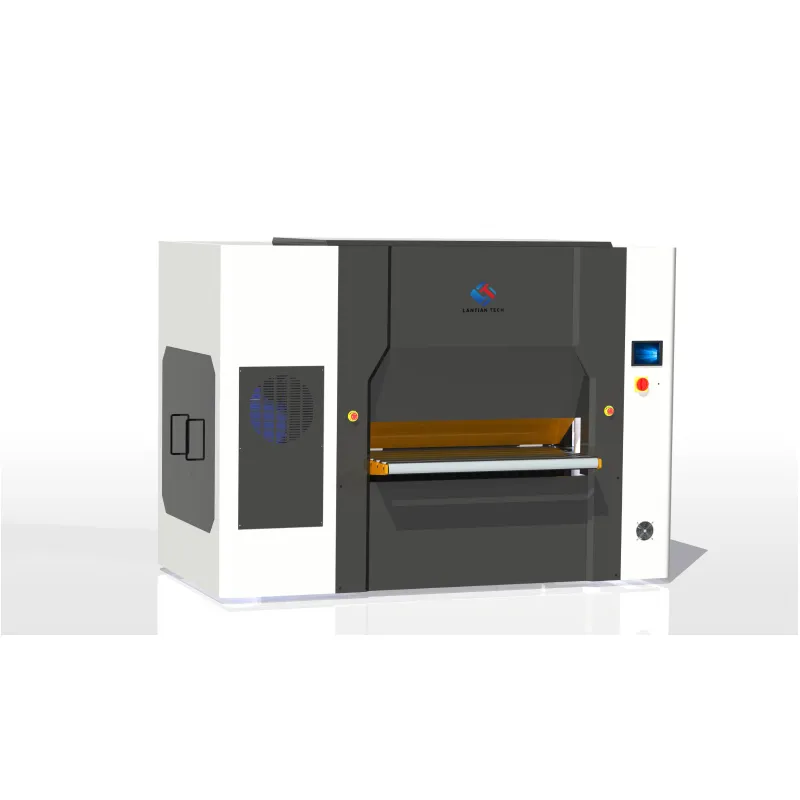
Modern leveling systems maximize production throughput while maintaining quality standards through optimized processing speeds and reduced setup times. The multiroller CNC leveling machine configuration enables continuous processing of long coils or sheets without interruption, significantly improving overall productivity. Quick-change features and automated setup procedures minimize downtime between different jobs or material specifications.
Energy efficiency features reduce operating costs while maintaining performance standards, with variable speed drives and optimized roller configurations minimizing power consumption during operation. Advanced control systems prevent unnecessary energy usage by optimizing processing parameters and reducing idle time. These efficiency improvements contribute to lower operating costs and improved environmental sustainability.
Quality Consistency and Waste Reduction
Precise control systems ensure consistent leveling quality across entire production runs, reducing waste and rework requirements. The automated adjustment capabilities compensate for material variations and maintain consistent flatness tolerances without manual intervention. This consistency reduces downstream processing problems and improves overall product quality.
Reduced material handling requirements minimize the risk of damage during processing and improve overall yield rates. The continuous processing capability eliminates multiple handling steps and reduces the potential for surface damage or contamination. Improved yield rates directly translate to cost savings and improved profitability for B2B operations.
Integration with Manufacturing Systems
Production Line Compatibility
Modern leveling systems integrate seamlessly with existing production lines and material handling equipment, enabling smooth workflow and efficient material transfer. Standard interface protocols and communication systems ensure compatibility with various control systems and manufacturing execution software. The integration capabilities often include automated material tracking and identification systems that maintain production records and quality documentation.
Flexible installation options accommodate various facility layouts and production flow requirements, with modular designs that can be customized for specific applications. The systems often include provisions for upstream and downstream equipment integration, creating continuous processing lines that maximize efficiency and minimize material handling requirements.
Data Management and Reporting
Comprehensive data collection and reporting capabilities provide valuable insights into production performance and quality trends. Real-time data acquisition systems capture processing parameters, quality measurements, and production statistics for analysis and optimization. The collected data helps identify opportunities for process improvements and supports continuous improvement initiatives.
Network connectivity enables remote monitoring and data sharing with enterprise systems, providing management with real-time visibility into production operations. Cloud-based data storage and analysis capabilities offer advanced analytics and predictive modeling tools that support strategic decision-making and long-term planning initiatives.
FAQ
What materials can be processed with multiroller CNC leveling systems?
Multiroller CNC leveling systems can process a wide range of metallic materials including steel, aluminum, stainless steel, copper, and various alloys. The systems accommodate different material thicknesses, widths, and hardness levels through adjustable roller configurations and programmable processing parameters. Specific material capabilities depend on the machine specifications and roller configurations, with most systems handling materials from thin foils to heavy plate thicknesses.
How does CNC control improve leveling accuracy compared to manual systems?
CNC control provides precise, repeatable adjustment of roller positions and processing parameters, eliminating human error and ensuring consistent results. The computerized systems can make micro-adjustments that would be impossible to achieve manually, while real-time monitoring and feedback systems automatically compensate for material variations. This level of control results in superior flatness tolerances and reduced variation between processed pieces.
What maintenance requirements should be expected for industrial leveling equipment?
Regular maintenance typically includes lubrication of bearings and drive components, inspection of roller surfaces and alignment, and periodic calibration of control systems. Modern systems often include automated lubrication systems and predictive maintenance monitoring that reduces manual maintenance requirements. Most manufacturers recommend scheduled inspections and component replacement based on operating hours or material processed, with typical maintenance intervals ranging from weekly inspections to annual overhauls depending on usage intensity.
How do these systems integrate with existing quality control processes?
Modern leveling systems include integrated quality monitoring and data logging capabilities that seamlessly connect with existing quality management systems. Real-time measurement systems provide continuous feedback on flatness and surface quality, while data recording capabilities create detailed documentation for quality certifications. The systems can automatically flag out-of-specification material and provide traceability records that support quality assurance requirements and customer documentation needs.
Table of Contents
- Advanced Roller Configuration Technology
- CNC Integration and Automation Features
- Material Handling and Feed Systems
- Industrial-Grade Construction and Durability
- Production Efficiency and Cost Benefits
- Integration with Manufacturing Systems
-
FAQ
- What materials can be processed with multiroller CNC leveling systems?
- How does CNC control improve leveling accuracy compared to manual systems?
- What maintenance requirements should be expected for industrial leveling equipment?
- How do these systems integrate with existing quality control processes?