
 EN
EN
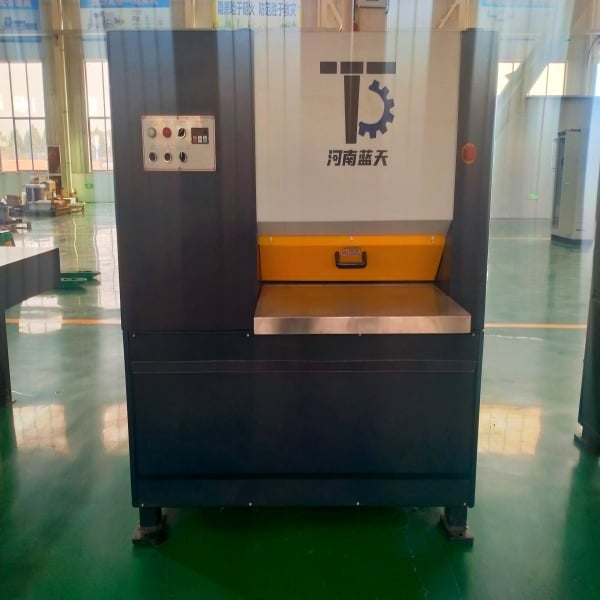
Multiroller CNC leveling machines have revolutionized the metal processing industry by delivering precise flatness correction for various materials including steel, aluminum, and stainless steel sheets. These sophisticated systems utilize computer-controlled roller positioning to eliminate material deformation, ensuring consistent quality in manufacturing processes. However, like any complex industrial equipment, multiroller CNC leveling machines can encounter operational challenges that require systematic troubleshooting approaches. Understanding the fundamental mechanics and common failure modes of these systems enables operators to maintain optimal performance while minimizing costly downtime.
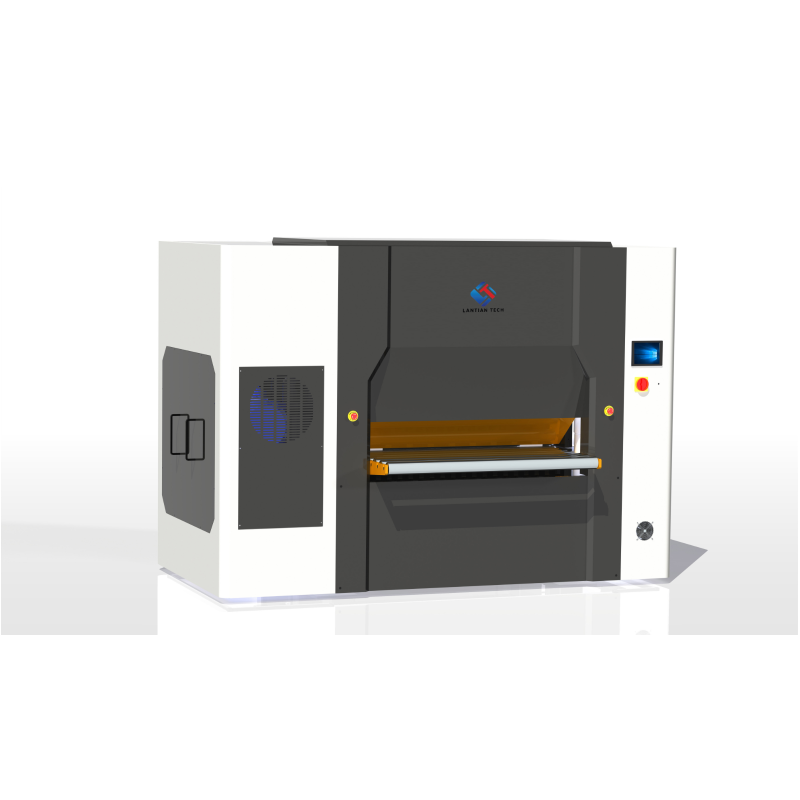
The complexity of modern multiroller systems demands comprehensive diagnostic strategies that address both mechanical and electronic components. Effective troubleshooting begins with understanding the interconnected nature of hydraulic systems, servo motors, position feedback sensors, and control software. Each component plays a critical role in maintaining the precise roller adjustments necessary for achieving consistent material flatness across varying thicknesses and material properties.
Mechanical Component Diagnostics
Roller Alignment and Wear Assessment
Proper roller alignment forms the foundation of effective leveling performance in multiroller CNC leveling machines. Misaligned rollers create uneven pressure distribution across the material width, resulting in longitudinal streaks, edge waves, or center buckle defects. Visual inspection should focus on roller surface condition, checking for scoring, pitting, or irregular wear patterns that indicate misalignment or contamination issues. Measurement tools such as dial indicators and laser alignment systems provide accurate assessment of roller parallelism and concentricity.
Regular monitoring of roller bearing condition prevents catastrophic failures that can damage expensive components and cause extended downtime. Temperature measurements using infrared thermometers help identify overheating bearings, while vibration analysis reveals early signs of bearing deterioration. Proper lubrication schedules and contamination control measures significantly extend roller bearing life and maintain consistent machine performance throughout production cycles.
Roller surface hardness variations can develop over time due to work hardening or heat treatment changes, affecting leveling consistency. Portable hardness testers enable regular monitoring of roller surface properties, ensuring uniform contact pressure across all leveling positions. When hardness variations exceed acceptable limits, roller refurbishment or replacement becomes necessary to restore optimal performance characteristics.
Hydraulic System Performance Analysis
Hydraulic systems provide the precise force control necessary for effective material leveling in multiroller CNC applications. Pressure fluctuations indicate potential issues with pump performance, accumulator condition, or internal leakage within actuator cylinders. Pressure gauges installed at strategic locations throughout the hydraulic circuit enable systematic diagnosis of system performance degradation.
Fluid contamination represents one of the most common causes of hydraulic system failures in industrial leveling equipment. Regular oil analysis programs monitor contamination levels, additive depletion, and degradation byproducts that affect system reliability. Particle counting, water content measurement, and acid number testing provide comprehensive assessment of hydraulic fluid condition and maintenance requirements.
Actuator response time variations often indicate developing problems with servo valves, seals, or control algorithms. Systematic testing of individual actuators under controlled conditions helps isolate performance issues and prevent system-wide failures. Proper documentation of response time measurements enables trending analysis that predicts maintenance requirements before critical failures occur.
Electronic Control System Troubleshooting
Sensor Calibration and Signal Integrity
Position feedback sensors provide critical information for maintaining precise roller positioning in multiroller CNC leveling machines. Linear encoders, potentiometers, and LVDT sensors require regular calibration to ensure accurate position feedback throughout the full range of motion. Drift in sensor readings leads to positioning errors that compromise leveling quality and may cause material damage during processing.
Signal conditioning circuits and cable connections frequently experience degradation due to industrial environment exposure. Electrical noise, moisture intrusion, and mechanical stress can cause intermittent signal dropouts or measurement errors. Oscilloscope analysis of sensor signals reveals noise sources and connection integrity issues that require immediate attention to prevent system malfunctions.
Temperature compensation becomes critical for maintaining sensor accuracy across varying environmental conditions. Many industrial facilities experience significant temperature fluctuations that affect sensor performance and mechanical dimensions. Proper temperature compensation algorithms and environmental protection measures ensure consistent measurement accuracy regardless of ambient conditions.
Control Software and Parameter Optimization
Modern CNC leveling systems rely on sophisticated control algorithms that require proper parameter tuning for optimal performance. Proportional-integral-derivative controller settings must match the dynamic characteristics of the mechanical system to achieve stable positioning without oscillation or overshoot. Systematic tuning procedures using step response testing help establish optimal control parameters for different material types and thicknesses.
Software version compatibility issues can arise when updating control systems or integrating new hardware components. Maintaining detailed records of software configurations and parameter settings enables rapid restoration of proven operating conditions when problems develop. Regular backup procedures protect critical programming and calibration data from unexpected system failures or corruption.
Communication protocols between system components require continuous monitoring to prevent data transmission errors that affect machine coordination. Network diagnostic tools help identify bandwidth limitations, packet loss, or timing issues that degrade system performance. Proper network infrastructure design and maintenance ensures reliable communication throughout the control system architecture.
Material Processing Quality Issues
Surface Finish Defects and Corrections
Surface marking problems in multiroller CNC leveling machines often result from contaminated rollers, improper lubrication, or excessive contact pressure. Systematic cleaning procedures remove accumulated debris and oxidation products that transfer to processed materials. Specialized cleaning solvents and techniques prevent damage to roller surface treatments while ensuring complete contamination removal.
Roller pressure distribution analysis helps identify areas of excessive contact that cause surface indentation or marking. Pressure-sensitive film placed between rollers and test materials reveals contact patterns that guide adjustment procedures. Proper pressure calibration ensures adequate leveling force while preventing surface damage that compromises material quality.
Material thickness variations require corresponding adjustments to roller gap settings and applied pressures. Automatic thickness compensation systems reduce operator intervention while maintaining consistent processing quality across varying material specifications. Regular calibration of thickness measurement systems ensures accurate gap control throughout production runs.
Edge Quality and Dimensional Accuracy
Edge wave formation indicates insufficient edge support or improper roller crown adjustment in multiroller leveling systems. Edge trimming guides and backup rollers provide additional support for thin materials that tend to develop edge distortions during processing. Proper guide adjustment procedures prevent material buckling while maintaining dimensional accuracy across the full width.
Longitudinal bow correction requires careful coordination of upper and lower roller banks to achieve uniform material curvature correction. Systematic measurement of processed material geometry using coordinate measurement machines validates leveling effectiveness and guides parameter adjustments. Statistical process control methods track dimensional consistency over time and identify developing trends that require corrective action.
Material handling system integration affects overall processing quality and requires careful alignment with leveling machine capabilities. Proper tension control, speed synchronization, and material guidance prevent secondary deformation that compromises leveling results. Regular inspection of material handling components ensures consistent processing conditions throughout production operations.
Preventive Maintenance Strategies
Systematic Inspection Protocols
Comprehensive inspection schedules prevent minor issues from developing into major failures that require extensive repairs and production delays. Daily visual inspections focus on obvious signs of wear, leakage, or misalignment that indicate developing problems. Weekly detailed inspections include lubrication checks, fastener torque verification, and measurement of critical dimensions that affect machine performance.
Predictive maintenance technologies such as vibration monitoring, thermal imaging, and oil analysis provide early warning of component degradation before failure occurs. Trending analysis of measurement data reveals gradual changes in machine condition that guide maintenance scheduling and parts inventory management. Proper implementation of predictive maintenance programs significantly reduces unplanned downtime while optimizing maintenance costs.
Documentation systems track maintenance activities, component replacements, and performance measurements to establish reliable maintenance intervals and identify recurring problems. Digital maintenance management systems enable efficient scheduling, parts tracking, and performance analysis that optimize overall equipment effectiveness. Regular review of maintenance records identifies opportunities for improvement and cost reduction.
Component Replacement and Upgrade Procedures
Roller replacement procedures require careful attention to alignment and surface preparation to ensure optimal performance of new components. Proper storage and handling of replacement rollers prevents damage to precision surfaces and specialized coatings. Installation procedures must maintain critical dimensions and surface relationships that affect leveling quality and component longevity.
Hydraulic component replacement involves proper system flushing and contamination control to prevent premature failure of new parts. Filter replacement schedules and fluid change intervals must consider operating conditions and contamination exposure levels. Proper break-in procedures for new hydraulic components ensure optimal performance and longevity under normal operating conditions.
Electronic component upgrades provide opportunities to improve system capabilities and reliability through incorporation of advanced technologies. Compatibility testing ensures proper integration with existing system components while maintaining operational reliability. Training programs prepare operators and maintenance personnel for new system capabilities and diagnostic procedures that accompany electronic upgrades.
FAQ
What causes inconsistent leveling results across material width?
Inconsistent leveling results typically stem from roller misalignment, uneven pressure distribution, or worn roller surfaces. Check roller parallelism using precision measurement tools and verify hydraulic pressure balance across all actuators. Inspect roller surfaces for wear patterns or contamination that could cause localized pressure variations.
How often should hydraulic fluid be changed in multiroller leveling systems?
Hydraulic fluid change intervals depend on operating conditions, contamination levels, and fluid quality monitoring results. Generally, industrial leveling systems require fluid changes every 2000-4000 operating hours, but oil analysis programs provide more accurate guidance based on actual fluid condition and contamination levels.
What are the signs of failing position sensors in CNC leveling machines?
Failing position sensors exhibit symptoms including erratic roller positioning, positioning repeatability problems, or control system error messages. Intermittent signal dropouts, measurement drift, or excessive noise in position feedback signals indicate sensor degradation that requires immediate attention to prevent system malfunctions.
How do I optimize roller pressure settings for different material types?
Roller pressure optimization requires consideration of material yield strength, thickness, and desired flatness specifications. Start with manufacturer recommendations and adjust based on processed material quality measurements. Use pressure-sensitive film or load cells to verify actual contact pressures and ensure uniform distribution across roller width.