
 EN
EN
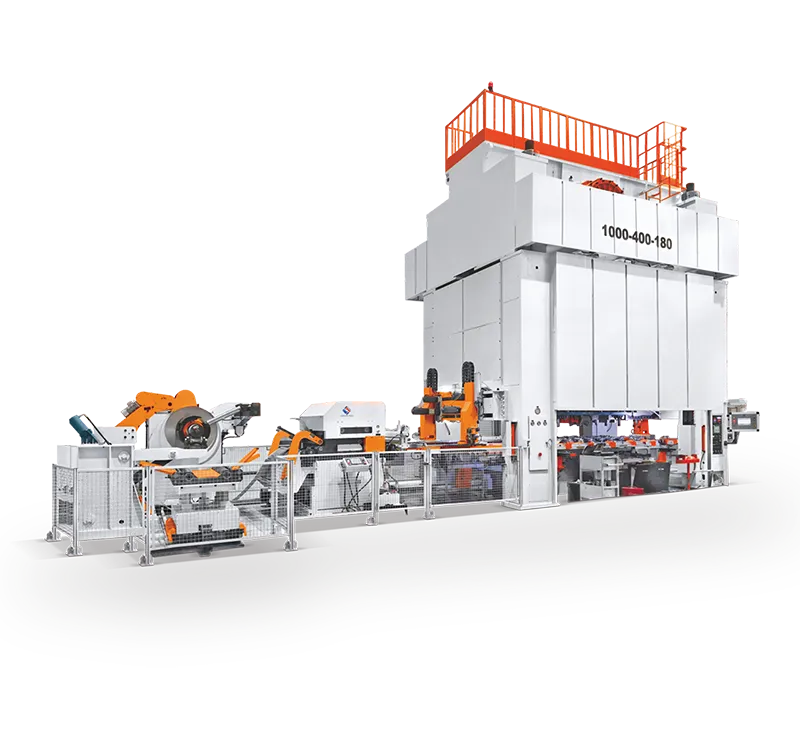
Modern sheet metal processing demands precision, efficiency, and consistent quality output to meet the growing requirements of automotive, appliance, and construction industries. An uncoiling blanking production line represents a sophisticated manufacturing solution that transforms continuous metal coils into precisely cut blanks through automated processes. This integrated system combines multiple manufacturing stages into a seamless workflow, significantly reducing manual handling while maximizing production throughput. The technology behind these production lines has evolved to incorporate advanced control systems, servo-driven mechanisms, and real-time monitoring capabilities that ensure optimal performance across various material specifications and thickness ranges.
Fundamental Components and System Integration
Decoiling Unit Functionality
The decoiling unit serves as the foundation of any comprehensive uncoiling blanking production line, responsible for smoothly unwinding metal coils while maintaining consistent tension control. This component typically features hydraulic or pneumatic expansion systems that securely grip the coil's inner diameter, preventing slippage during high-speed operations. Advanced decoilers incorporate load cells and tension sensors that continuously monitor material stress, automatically adjusting unwinding speed to prevent material deformation or surface damage. The unit's motorized rotation system ensures precise coil positioning and supports various coil weights, from lightweight aluminum strips to heavy-duty steel coils exceeding several tons.
Modern decoiling systems also integrate coil car mechanisms that facilitate efficient coil loading and positioning without requiring overhead cranes. These automated loading systems significantly reduce setup times and enhance operator safety by minimizing manual material handling. The decoiler's control interface synchronizes with downstream equipment, ensuring optimal material flow coordination throughout the entire production sequence.
Straightening and Feeding Mechanisms
Following the decoiling process, the material passes through precision straightening rollers that eliminate coil set and ensure flat, uniform sheet characteristics. These straightening units typically employ multiple roller configurations with adjustable pressure settings to accommodate different material grades and thicknesses. The feeding mechanism utilizes servo-controlled pinch rollers that maintain consistent material advancement speeds while providing accurate positioning for subsequent cutting operations.
The straightener's roller arrangement can be customized based on specific material requirements, with some configurations featuring up to 11 rollers for superior straightening performance on high-strength materials. Advanced systems incorporate automatic thickness detection sensors that adjust roller pressure settings in real-time, ensuring optimal straightening results across varying material specifications without manual intervention.
Cutting Technology and Precision Control
Blanking Die Systems
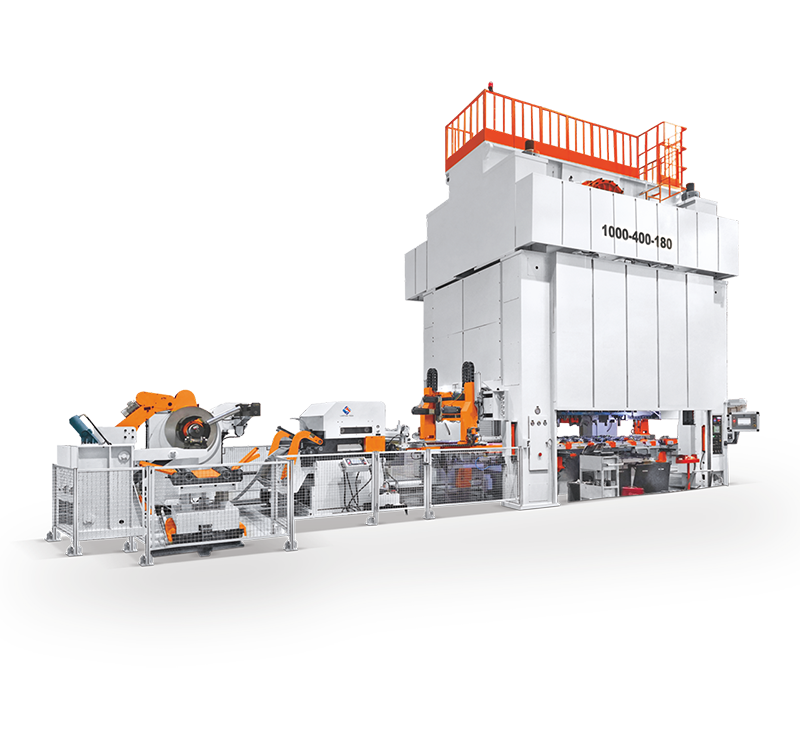
The blanking station represents the heart of the production line, where precision cutting transforms continuous strip material into individual blanks according to specified dimensions. Modern blanking dies incorporate hardened tool steel construction with specialized coatings that extend tool life while maintaining cutting edge sharpness throughout extended production runs. The die design accommodates various blank geometries, from simple rectangular shapes to complex automotive components requiring intricate edge profiles.
Hydraulic or mechanical press systems provide the cutting force necessary for clean, burr-free edges across different material thicknesses. These systems feature programmable stroke lengths and cutting speeds that optimize production rates while ensuring consistent blank quality. Advanced die systems also incorporate quick-change mechanisms that reduce setup times when transitioning between different product specifications, maximizing overall equipment effectiveness.
Length Measurement and Positioning
Precise length control ensures consistent blank dimensions and minimizes material waste throughout the production process. Encoder-based measuring systems track material movement with exceptional accuracy, typically within ±0.1mm tolerances for standard applications. These measuring systems integrate with programmable logic controllers that calculate optimal cutting sequences and automatically adjust feeding distances based on predetermined blank specifications.
The positioning system incorporates photoelectric sensors and mechanical backstops that verify proper material placement before each cutting cycle. This redundant verification process prevents dimensional errors and reduces scrap generation, contributing to improved overall production efficiency and material utilization rates.
Automation and Control Systems
Human-Machine Interface Integration
Contemporary uncoiling blanking production line systems feature sophisticated human-machine interfaces that provide operators with comprehensive process monitoring and control capabilities. These touchscreen-based control panels display real-time production data, including cutting speeds, material consumption rates, and quality metrics. Operators can easily adjust operational parameters, monitor system diagnostics, and access historical production records through intuitive menu structures.
The control system architecture supports remote monitoring capabilities, enabling production managers to oversee multiple production lines from centralized locations. This connectivity facilitates predictive maintenance scheduling and allows for immediate response to operational anomalies, minimizing unplanned downtime and optimizing production scheduling efficiency.
Quality Assurance Systems
Integrated quality control systems continuously monitor blank dimensions, edge quality, and surface characteristics throughout the production process. Vision inspection systems capture high-resolution images of each blank, comparing dimensional measurements against programmed tolerances and automatically rejecting non-conforming parts. These systems can detect various defects including edge burrs, surface scratches, and dimensional variations that might compromise final product performance.
Statistical process control algorithms analyze quality data trends, providing early warning indicators when process parameters begin drifting outside acceptable ranges. This proactive approach enables operators to make corrective adjustments before producing defective parts, maintaining consistent product quality while reducing scrap generation and associated material costs.
Material Handling and Safety Features
Automated Stacking and Collection
Downstream material handling systems automatically collect and organize cut blanks according to customer specifications or subsequent processing requirements. Pneumatic stacking systems position individual blanks with precise alignment, creating uniform stacks that facilitate efficient transportation and storage. These systems accommodate various stacking heights and can separate blanks using interleaving papers or protective films when required.
Conveyor systems transport completed blank stacks to designated collection areas or feed them directly into secondary processing equipment such as stamping presses or forming machines. This seamless material flow integration eliminates manual handling steps and reduces the potential for damage or contamination during inter-process transfers.
Safety and Protection Systems
Comprehensive safety systems protect operators while ensuring compliance with industrial safety regulations and standards. Light curtain barriers and pressure-sensitive floor mats create protective zones around critical operational areas, immediately stopping equipment operation when unauthorized access is detected. Emergency stop systems provide multiple activation points throughout the production line, enabling rapid shutdown capabilities from any operator position.
Machine guarding encompasses all moving components, with interlocked access panels that prevent equipment operation when safety covers are removed. Lockout/tagout procedures ensure safe maintenance activities, while comprehensive safety training programs educate operators on proper equipment operation and hazard recognition procedures.
Performance Optimization and Efficiency Benefits
Production Speed and Throughput Enhancement
Modern uncoiling blanking production line configurations achieve remarkable production speeds, often processing hundreds of blanks per minute depending on material specifications and blank dimensions. High-speed servo drives coordinate all system components, maintaining precise timing relationships that optimize cutting cycles while preserving product quality standards. These advanced drive systems also provide energy efficiency benefits through regenerative braking and optimized acceleration profiles.
Continuous operation capabilities enable 24-hour production schedules with minimal operator intervention, significantly increasing overall equipment utilization rates. Automated coil splicing systems allow for seamless transitions between material coils, eliminating production interruptions and maintaining consistent output levels throughout extended production runs.
Material Waste Reduction Strategies
Advanced nesting algorithms optimize blank layout patterns to maximize material utilization and minimize scrap generation. These optimization systems consider various factors including blank dimensions, material grain direction, and coil width specifications to develop cutting sequences that achieve maximum yield efficiency. Real-time material tracking systems monitor scrap generation rates and identify opportunities for further waste reduction improvements.
Remnant material management systems automatically calculate remaining coil lengths and recommend optimal utilization strategies for short coil ends. This comprehensive approach to material management can reduce overall material waste by 15-20% compared to conventional cutting methods, providing significant cost savings for high-volume production applications.
Maintenance and Service Considerations
Preventive Maintenance Protocols
Systematic maintenance scheduling ensures optimal production line performance while minimizing unexpected equipment failures and associated production disruptions. Lubrication systems automatically deliver precise quantities of lubricants to critical wear points, extending component service life and maintaining smooth operational characteristics. Condition monitoring systems track bearing temperatures, vibration levels, and hydraulic pressures, providing early warning indicators of potential component degradation.
Comprehensive maintenance documentation systems record all service activities, component replacements, and performance adjustments, creating detailed equipment histories that support predictive maintenance strategies. These records help identify recurring issues and optimize maintenance intervals based on actual operating conditions and production requirements.
Technical Support and Training Requirements
Effective operation of sophisticated uncoiling blanking production line equipment requires comprehensive operator training programs that cover both operational procedures and basic troubleshooting techniques. Equipment manufacturers typically provide extensive documentation, video training materials, and hands-on instruction to ensure operators develop necessary competencies for safe and efficient system operation.
Ongoing technical support services include remote diagnostic capabilities that enable manufacturers to provide immediate assistance when operational issues arise. This support infrastructure minimizes production downtime and ensures operators have access to expert guidance throughout the equipment's operational lifetime.
FAQ
What materials can be processed on an uncoiling blanking production line
Uncoiling blanking production lines accommodate a wide range of materials including cold-rolled steel, hot-rolled steel, stainless steel, aluminum alloys, and various coated materials. Thickness capabilities typically range from 0.5mm to 6.0mm, though specialized configurations can handle materials up to 12mm thick. The system's adjustable parameters allow optimization for different material grades, tensile strengths, and surface finish requirements.
How does automated length control improve production accuracy
Automated length control systems utilize precision encoders and servo-driven feeding mechanisms to achieve dimensional accuracies within ±0.1mm tolerances. These systems eliminate human measurement errors and ensure consistent blank dimensions throughout extended production runs. Real-time feedback loops continuously monitor and adjust feeding distances, compensating for material thickness variations and thermal expansion effects that could affect final blank dimensions.
What safety features protect operators during production operations
Comprehensive safety systems include light curtain barriers, pressure-sensitive floor mats, emergency stop buttons positioned throughout the work area, and interlocked machine guarding that prevents access to moving components during operation. Additional safety features include two-hand control systems for manual operations, lockout/tagout procedures for maintenance activities, and comprehensive operator training programs covering safe operating procedures and hazard recognition.
How do these systems contribute to overall production cost reduction
Uncoiling blanking production lines reduce manufacturing costs through multiple mechanisms including reduced labor requirements, minimized material waste through optimized cutting patterns, consistent product quality that reduces rework and scrap, and improved production speeds that increase throughput. Energy-efficient servo drive systems and automated material handling reduce operational expenses, while predictive maintenance capabilities minimize unplanned downtime and associated production losses.