
 EN
EN
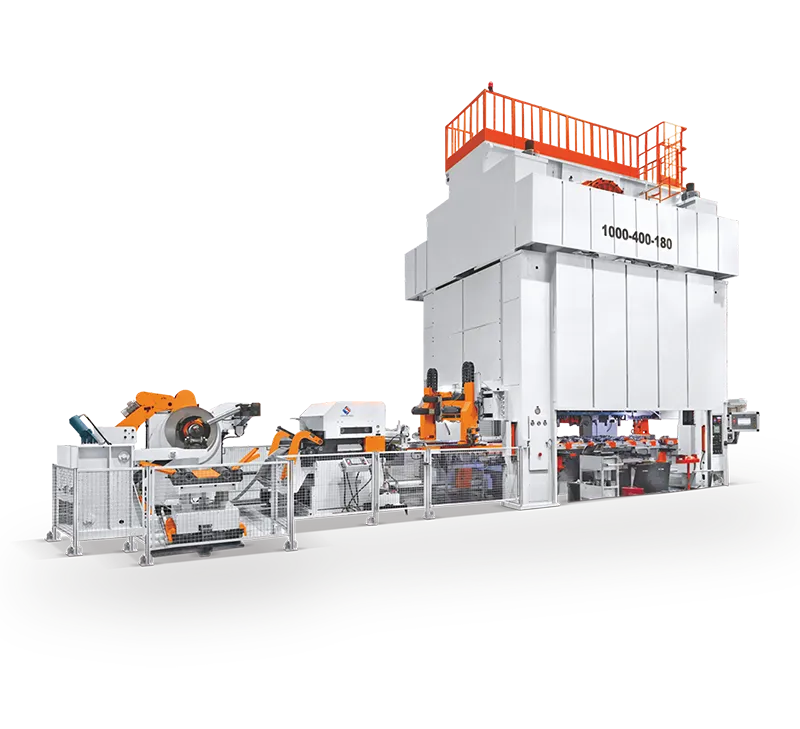
Industrial manufacturing environments demand rigorous safety protocols, particularly when operating complex machinery systems. The uncoiling blanking production line represents one of the most critical manufacturing processes in metal fabrication facilities, where raw coiled materials are transformed into precisely cut blanks for various industrial applications. These sophisticated systems combine multiple mechanical components, high-speed operations, and substantial material handling requirements, creating unique safety challenges that manufacturers must address comprehensively. Understanding and implementing proper safety measures is not merely a regulatory compliance issue but a fundamental business imperative that protects workers, maintains operational continuity, and ensures long-term profitability.
Critical Safety Components in Modern Production Systems
Emergency Stop Systems and Controls
Emergency stop mechanisms form the cornerstone of any safe uncoiling blanking production line operation. These systems must be strategically positioned throughout the production area, ensuring operators can immediately halt machinery from multiple locations. Modern emergency stop systems incorporate redundant safety circuits that prevent single-point failures and maintain shutdown capability even when primary control systems experience malfunctions. The positioning of emergency stops should follow ergonomic principles, placing them within easy reach of operators while preventing accidental activation during normal operations.
Advanced emergency stop systems integrate with programmable logic controllers to provide controlled shutdown sequences rather than abrupt stops that could damage equipment or create additional hazards. These intelligent systems can differentiate between emergency situations and routine maintenance stops, applying appropriate shutdown procedures for each scenario. Regular testing of emergency stop functionality ensures reliable operation when needed most, with documented test procedures forming part of comprehensive safety management protocols.
Protective Barriers and Guarding Systems
Physical barriers and machine guards provide essential protection against moving parts, flying debris, and accidental contact with dangerous machinery components. In uncoiling blanking production lines, these protective measures must accommodate material flow while maintaining operator safety. Fixed guards protect areas where operator access is never required during normal operations, while interlocked guards allow necessary access but prevent machine operation when guards are removed or opened.
Light curtains and area scanners represent advanced guarding technologies that create invisible safety zones around hazardous equipment. These systems immediately detect operator presence in dangerous areas and trigger appropriate safety responses. The integration of multiple guarding technologies creates layered protection that accounts for various operational scenarios and potential failure modes, ensuring comprehensive safety coverage throughout the production process.
Operator Training and Competency Development
Comprehensive Safety Training Programs
Effective operator training extends far beyond basic machine operation to encompass thorough understanding of safety systems, hazard recognition, and emergency response procedures. Training programs for uncoiling blanking production line operators should address both technical competencies and safety awareness, creating well-rounded professionals capable of maintaining safe operations under various conditions. Initial training must cover all safety systems, their proper use, and the consequences of bypassing or ignoring safety protocols.
Ongoing training programs ensure operators remain current with evolving safety standards and maintain sharp awareness of potential hazards. These programs should incorporate hands-on practice with emergency procedures, regular assessment of safety knowledge, and updates on new safety technologies or procedures. Documentation of training completion and competency verification creates accountability and ensures all operators meet established safety standards before working independently on production equipment.
Hazard Communication and Awareness
Clear communication of hazards throughout the production area helps operators make informed decisions about safe work practices. Visual hazard identification systems, including standardized signage, color coding, and warning labels, provide immediate hazard recognition capability. These systems must be designed for clarity and visibility under various lighting conditions and from different viewing angles to ensure effectiveness during all operational scenarios.
Regular safety meetings and hazard communication sessions keep safety awareness high and provide forums for discussing new hazards, near-miss incidents, and safety improvement suggestions. These communications should encourage open dialogue about safety concerns and create an environment where operators feel comfortable reporting potential hazards without fear of retribution. Effective hazard communication programs also include procedures for updating hazard information as processes change or new risks are identified.
Material Handling and Storage Safety
Coil Handling Procedures
Safe coil handling represents one of the most critical aspects of uncoiling blanking production line safety due to the substantial weight and stored energy in coiled materials. Proper lifting equipment, including cranes, hoists, and specialized coil handling devices, must be rated for the maximum coil weights encountered in operations. Operator training in coil handling procedures should emphasize proper rigging techniques, load capacity verification, and safe positioning practices that prevent coil movement during handling operations.
Coil storage areas require careful design to prevent rolling, shifting, or falling of stored materials. Proper blocking, chocking, and securing methods ensure coils remain stable during storage and transportation. Storage area design should also consider accessibility for material handling equipment while maintaining clear evacuation routes and preventing overcrowding that could compromise safety during emergency situations.
Workspace Organization and Housekeeping
Maintaining clean, organized work areas significantly reduces accident risks and improves overall safety performance in production environments. Regular housekeeping procedures should address removal of metal scraps, oil spills, and other debris that could create slip, trip, or fall hazards. Designated storage areas for tools, supplies, and work-in-progress materials prevent clutter accumulation and ensure clear access to safety equipment and emergency exits.
Systematic workplace organization using principles like 5S methodology creates standardized work environments that support both safety and efficiency. Clear marking of walkways, storage areas, and equipment boundaries helps operators navigate safely and identify when items are out of place. Regular workplace inspections ensure housekeeping standards are maintained and identify areas requiring attention before they become safety hazards.
Maintenance Safety Protocols
Lockout Tagout Procedures
Lockout tagout procedures provide essential protection for maintenance personnel working on uncoiling blanking production line equipment. These procedures must address all energy sources, including electrical, hydraulic, pneumatic, and mechanical energy storage systems. Proper lockout tagout implementation requires identification of all energy isolation points, use of appropriate locking devices, and verification that equipment is truly de-energized before maintenance work begins.
Group lockout procedures accommodate situations where multiple maintenance personnel work on the same equipment simultaneously, ensuring no individual can inadvertently energize equipment while others are still working. Documentation of lockout tagout procedures and regular training on their implementation ensures all maintenance personnel understand and follow established protocols. Periodic audits of lockout tagout compliance help identify areas for improvement and ensure procedures remain effective as equipment configurations change.
Preventive Maintenance Safety
Preventive maintenance programs designed with safety as a primary consideration help prevent equipment failures that could create hazardous conditions. Safety-focused maintenance schedules prioritize critical safety systems, ensuring emergency stops, guards, and other protective devices receive regular inspection and maintenance. Maintenance procedures should include safety checks and functional testing of safety systems as integral components of routine maintenance activities.
Maintenance work planning must consider safety implications of maintenance activities themselves, including proper personal protective equipment, safe work positioning, and appropriate tools and equipment. Hot work permits, confined space entry procedures, and other specialized safety protocols may be required for certain maintenance activities. Coordination between production and maintenance teams ensures maintenance work proceeds safely without creating additional risks to ongoing operations.
Environmental and Ergonomic Considerations
Noise Control and Hearing Protection
Uncoiling blanking production line operations often generate significant noise levels that require comprehensive hearing protection programs. Engineering controls, including sound enclosures, vibration dampening, and equipment modification, represent the preferred approach to noise control. When engineering controls cannot adequately reduce noise exposure, administrative controls and personal protective equipment provide additional protection layers.
Hearing protection programs must include noise exposure assessment, appropriate hearing protection selection, and regular audiometric testing to monitor worker hearing health. Training on proper use and care of hearing protection devices ensures maximum effectiveness and user compliance. Regular noise surveys help identify changes in noise exposure levels and evaluate the effectiveness of noise control measures.
Air Quality and Ventilation Systems
Proper ventilation systems control airborne contaminants generated during uncoiling and blanking operations, including metal dust, cutting fluid mists, and other potentially harmful substances. Local exhaust ventilation captures contaminants at their source, preventing dispersion throughout the work area. General ventilation systems provide overall air quality control and ensure adequate fresh air supply for worker comfort and health.
Air quality monitoring programs track exposure levels and ensure ventilation systems maintain effective control of airborne contaminants. Regular maintenance of ventilation systems, including filter replacement and ductwork cleaning, ensures continued effectiveness. Personal protective equipment may be required when ventilation systems cannot adequately control exposures or during maintenance activities on ventilation equipment.
Emergency Preparedness and Response
Fire Prevention and Suppression
Fire prevention in uncoiling blanking production line areas requires attention to ignition sources, combustible materials, and fire suppression capabilities. Hot work procedures control activities that could generate sparks or heat, while proper storage and handling of cutting fluids and other combustible materials reduces fire risks. Electrical system maintenance and inspection prevent electrical faults that could serve as ignition sources.
Fire suppression systems appropriate for industrial environments, including sprinkler systems and specialized suppression agents, provide protection against various types of fires. Emergency evacuation procedures ensure personnel can quickly and safely exit the area in case of fire or other emergencies. Regular fire drills and emergency response training help ensure effective response when emergencies occur.
Incident Response and Investigation
Comprehensive incident response procedures address immediate actions required following accidents, near misses, or equipment malfunctions. These procedures should clearly define roles and responsibilities, communication requirements, and steps for securing the area and providing medical assistance. Prompt incident response can minimize injury severity and prevent secondary incidents during emergency situations.
Thorough incident investigation procedures help identify root causes and prevent similar incidents in the future. Investigation teams should include safety professionals, operations personnel, and maintenance staff to ensure comprehensive analysis of contributing factors. Documentation of investigation findings and implementation of corrective actions creates organizational learning that improves overall safety performance.
FAQ
What personal protective equipment is required for uncoiling blanking production line operators?
Operators typically require safety glasses or face shields, hearing protection, steel-toed safety boots, and cut-resistant gloves appropriate for handling metal materials. Additional PPE may include hard hats in areas with overhead hazards and high-visibility clothing where mobile equipment operates. The specific PPE requirements should be determined through hazard assessment and may vary based on specific job tasks and equipment configurations.
How often should safety systems be tested and inspected?
Emergency stop systems should be tested at least monthly, while safety guards and protective devices require inspection before each shift or daily operation. More comprehensive inspections of safety systems should occur quarterly or semi-annually, depending on equipment usage and manufacturer recommendations. All testing and inspection activities should be documented with any deficiencies addressed immediately before resuming operations.
What training requirements apply to new operators on uncoiling blanking production lines?
New operators must complete comprehensive safety training covering all safety systems, emergency procedures, and hazard recognition before operating equipment independently. This training typically includes both classroom instruction and hands-on practice under supervision of experienced operators. Competency verification through testing or demonstration ensures operators understand and can properly implement safety procedures before working alone.
How should maintenance activities be coordinated with production operations for maximum safety?
Maintenance activities should be scheduled during planned downtime whenever possible, with clear communication between production and maintenance teams about work scope and safety requirements. When maintenance must occur during production, proper isolation procedures, work permits, and coordination protocols ensure both maintenance personnel and production operators remain safe. All maintenance work should follow established lockout tagout procedures and other applicable safety protocols.
Table of Contents
- Critical Safety Components in Modern Production Systems
- Operator Training and Competency Development
- Material Handling and Storage Safety
- Maintenance Safety Protocols
- Environmental and Ergonomic Considerations
- Emergency Preparedness and Response
-
FAQ
- What personal protective equipment is required for uncoiling blanking production line operators?
- How often should safety systems be tested and inspected?
- What training requirements apply to new operators on uncoiling blanking production lines?
- How should maintenance activities be coordinated with production operations for maximum safety?