
 EN
EN
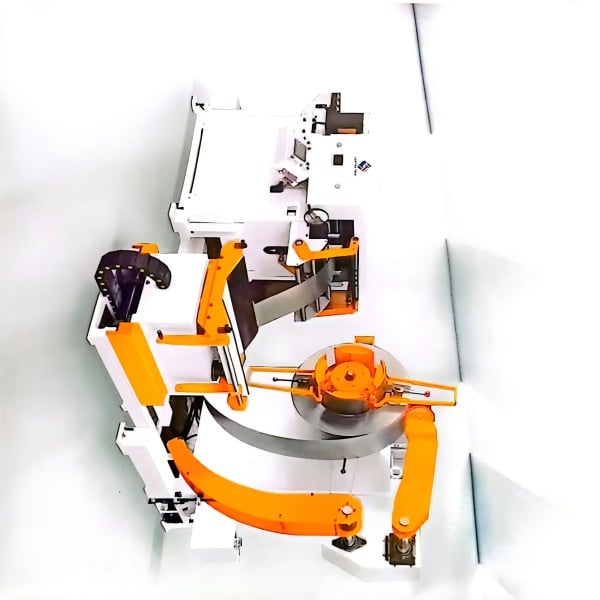
In the realm of industrial material handling and processing, the triplehead feeder stands as a cornerstone technology that enables manufacturers to achieve precise, consistent, and efficient material distribution across multiple processing lines. These sophisticated feeding systems have revolutionized how companies approach bulk material management, offering unparalleled flexibility in handling diverse material types ranging from fine powders to coarse aggregates. The ability to customize a triplehead feeder for specific material characteristics represents a critical competitive advantage in today's demanding industrial landscape, where precision and reliability directly impact operational efficiency and bottom-line performance.
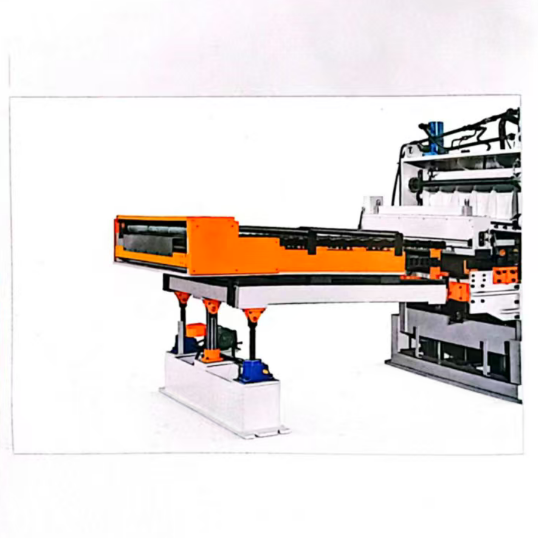
Understanding Triplehead Feeder Architecture and Functionality
Core Design Principles
The fundamental architecture of a triplehead feeder revolves around three synchronized feeding mechanisms that work in perfect harmony to distribute materials with exceptional accuracy. Each feeding head operates independently while maintaining precise coordination through advanced control systems, allowing operators to fine-tune flow rates, timing sequences, and distribution patterns according to specific material requirements. This modular design approach enables manufacturers to adapt the system for various material densities, particle sizes, and flow characteristics without compromising overall system integrity or performance consistency.
Modern triplehead feeder systems incorporate sophisticated sensor technologies and feedback mechanisms that continuously monitor material flow patterns, detect potential blockages or irregularities, and automatically adjust feeding parameters to maintain optimal performance. The integration of variable-speed drives, programmable logic controllers, and real-time monitoring systems ensures that each feeding head responds dynamically to changing material conditions, maintaining consistent output even when handling challenging or variable material characteristics.
Material Flow Dynamics
The science behind effective material flow in a triplehead feeder involves understanding how different materials behave under various conditions including temperature, humidity, and mechanical stress. Engineers must consider factors such as angle of repose, bulk density, particle size distribution, and moisture content when designing customized feeding solutions. These parameters directly influence how materials flow through the feeding mechanism, requiring specific adaptations in hopper design, gate configurations, and discharge patterns to achieve optimal results.
Advanced computational fluid dynamics modeling has enabled manufacturers to predict material behavior patterns with remarkable precision, allowing for more accurate customization of triplehead feeder systems before physical installation. This predictive capability significantly reduces commissioning time and ensures that the feeding system performs optimally from the moment it becomes operational, minimizing costly adjustments and modifications during the startup phase.
Material-Specific Customization Strategies
Fine Powder Applications
When customizing a triplehead feeder for fine powder materials, engineers must address unique challenges related to particle cohesion, dust generation, and electrostatic effects that can significantly impact feeding accuracy and consistency. Fine powders typically require specialized hopper designs with steep-angled walls, vibrating mechanisms, or air-assist systems to prevent bridging and ensure consistent flow. The feeding gates must be precision-machined to accommodate extremely small discharge openings while maintaining smooth, controllable material flow without creating excessive dust or particle degradation.
Moisture control becomes particularly critical when handling fine powders, as even small variations in humidity can dramatically alter flow characteristics. Customized triplehead feeder installations for powder applications often incorporate environmental control systems, including heating elements, moisture barriers, and controlled atmospheres to maintain optimal material conditions throughout the feeding process. Additionally, specialized sealing systems prevent contamination while minimizing material loss and environmental impact.
Coarse Aggregate Handling
Coarse aggregates present entirely different challenges that require robust mechanical designs and enhanced durability features in triplehead feeder systems. The feeding mechanisms must withstand significant impact forces and abrasive wear while maintaining precise control over large, irregularly shaped particles. Heavy-duty construction materials, reinforced wear plates, and oversized drive components become essential elements in these specialized configurations.
The gate mechanisms for coarse aggregate applications require careful engineering to prevent jamming while ensuring accurate portion control. Variable-opening designs with automated clearing systems help maintain consistent flow even when handling materials with significant size variations or occasional oversized particles. Impact-resistant components and easily replaceable wear parts ensure long-term reliability and minimize maintenance requirements in demanding operational environments.
Advanced Control Systems and Automation
Programmable Logic Integration
Modern triplehead feeder systems leverage sophisticated programmable logic controllers that enable precise customization for different material types through software-based parameter adjustment. These control systems store multiple material profiles, allowing operators to switch between different feeding configurations with minimal setup time. Recipe management capabilities ensure consistent performance across production runs while providing detailed documentation for quality control and process optimization purposes.
Advanced algorithms continuously analyze feeding performance data, identifying trends and patterns that can indicate material characteristic changes or equipment wear. Predictive maintenance capabilities help prevent unexpected downtime by alerting operators to potential issues before they impact production. Real-time data logging and reporting functions provide valuable insights for process improvement and regulatory compliance documentation.
Sensor Technology Integration
State-of-the-art sensor technologies enable triplehead feeder systems to adapt automatically to varying material conditions without operator intervention. Load cells, flow sensors, and optical detection systems provide continuous feedback about material flow rates, density variations, and particle size distribution. This real-time information allows the control system to make instant adjustments to feeding parameters, maintaining consistent output despite material variability.
Environmental sensors monitor temperature, humidity, and atmospheric conditions that can affect material behavior, triggering automatic adjustments to feeding speeds, gate openings, and auxiliary systems such as heating or cooling elements. Integration with upstream and downstream equipment ensures seamless coordination throughout the entire material handling process, optimizing overall system efficiency and product quality.
Installation and Configuration Considerations
Site-Specific Adaptations
Each triplehead feeder installation requires careful consideration of site-specific factors including available space, structural requirements, environmental conditions, and integration with existing equipment. Customization begins during the initial design phase, where engineers assess the physical constraints and operational requirements unique to each application. Foundation requirements, access provisions, and safety systems must be tailored to accommodate the specific material types and handling requirements.
Electrical and mechanical interfaces require precise coordination with plant infrastructure and control systems to ensure seamless integration and optimal performance. Power requirements, control signal compatibility, and communication protocols must be verified and adapted as necessary to maintain system integrity and functionality. Environmental protection measures, including weather shields, temperature control, and corrosion resistance, are customized based on local conditions and material characteristics.
Performance Optimization
The optimization process for a customized triplehead feeder involves systematic testing and adjustment of all operational parameters to achieve maximum efficiency and accuracy for the specific material types being handled. Initial calibration procedures establish baseline performance metrics that serve as reference points for ongoing optimization efforts. Fine-tuning of feeding rates, timing sequences, and control parameters ensures that the system delivers consistent results across the full range of operating conditions.
Continuous monitoring and data analysis during the initial operating period provide valuable feedback for further optimization. Performance metrics such as feeding accuracy, throughput rates, and material waste are tracked and analyzed to identify opportunities for improvement. Regular performance reviews and system adjustments help maintain optimal operation as material characteristics or production requirements change over time.
Maintenance and Long-Term Performance
Preventive Maintenance Strategies
Customized maintenance programs for triplehead feeder systems take into account the specific wear patterns and service requirements associated with different material types. Abrasive materials require more frequent inspection of wear components, while cohesive materials may necessitate additional cleaning and calibration procedures. Scheduled maintenance intervals are adjusted based on material characteristics, operating hours, and performance monitoring data to optimize equipment availability and minimize unexpected downtime.
Predictive maintenance technologies integrated into modern triplehead feeder systems provide early warning of potential component failures or performance degradation. Vibration analysis, thermal monitoring, and wear detection systems enable maintenance teams to address issues proactively, reducing the risk of catastrophic failures and minimizing impact on production schedules. Customized spare parts inventories ensure that critical components are available when needed, further reducing downtime and maintenance costs.
Performance Monitoring and Optimization
Long-term performance optimization of a triplehead feeder requires continuous monitoring and analysis of operational data to identify trends and opportunities for improvement. Advanced analytics software processes feeding performance data, material consumption patterns, and equipment condition information to generate actionable insights for operators and maintenance personnel. Regular performance reviews help identify when system parameters need adjustment or when component replacement is necessary to maintain optimal performance.
Benchmark comparisons with industry standards and manufacturer specifications provide objective measures of system performance and help identify areas for improvement. Continuous improvement programs leverage operational data and user feedback to refine feeding algorithms, optimize maintenance procedures, and enhance overall system reliability. These ongoing optimization efforts ensure that the triplehead feeder continues to deliver maximum value throughout its operational lifespan.
FAQ
What factors determine the customization requirements for a triplehead feeder
The customization requirements for a triplehead feeder are primarily determined by material characteristics including particle size, bulk density, flow properties, moisture content, and abrasiveness. Additional factors include production capacity requirements, environmental conditions, integration with existing equipment, and specific accuracy or consistency standards. Engineers also consider factors such as material segregation tendencies, temperature sensitivity, and any special handling requirements to ensure optimal performance.
How long does it typically take to customize and install a triplehead feeder system
The customization and installation timeline for a triplehead feeder system varies depending on the complexity of the application and the degree of customization required. Standard customizations typically require 8-12 weeks from order to commissioning, while complex applications with extensive modifications may require 16-20 weeks. Factors affecting timeline include material testing requirements, custom component fabrication, site preparation needs, and integration complexity with existing systems.
What maintenance considerations are unique to customized triplehead feeder installations
Customized triplehead feeder installations require maintenance programs tailored to the specific material types and operating conditions. Key considerations include wear component replacement intervals based on material abrasiveness, calibration frequency requirements for accuracy-critical applications, and specialized cleaning procedures for cohesive or contamination-sensitive materials. Preventive maintenance schedules must account for the unique stress patterns and operating conditions associated with each customization.
Can existing triplehead feeder systems be modified for different material types
Many existing triplehead feeder systems can be successfully modified to handle different material types, depending on the extent of changes required and the current system configuration. Common modifications include gate mechanism adjustments, control system reprogramming, hopper liner changes, and auxiliary equipment additions. However, significant material property differences may require more extensive modifications or component replacements to ensure optimal performance and reliability.
Table of Contents
- Understanding Triplehead Feeder Architecture and Functionality
- Material-Specific Customization Strategies
- Advanced Control Systems and Automation
- Installation and Configuration Considerations
- Maintenance and Long-Term Performance
-
FAQ
- What factors determine the customization requirements for a triplehead feeder
- How long does it typically take to customize and install a triplehead feeder system
- What maintenance considerations are unique to customized triplehead feeder installations
- Can existing triplehead feeder systems be modified for different material types