
 EN
EN
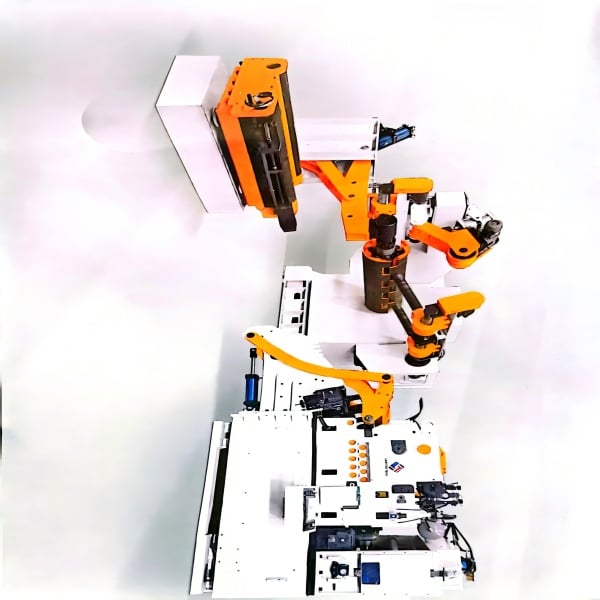
Industrial manufacturing operations depend heavily on precise material handling systems to maintain optimal production efficiency. The triplehead feeder represents a sophisticated solution for synchronized material distribution across multiple production lines, offering enhanced throughput and operational reliability. Understanding the various synchronization factors that influence triplehead feeder performance is crucial for manufacturing engineers seeking to optimize their material handling processes and achieve consistent production outcomes.
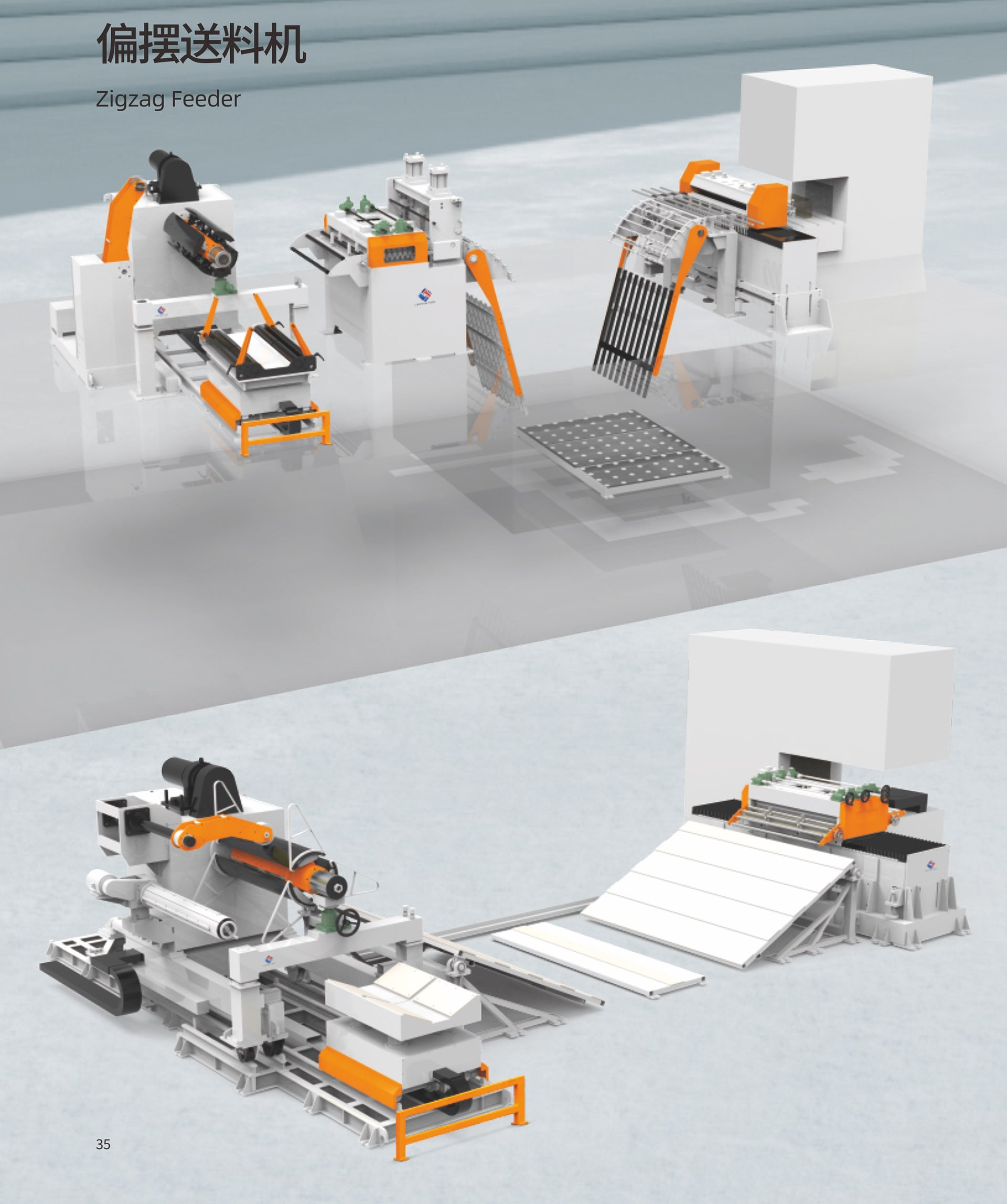
Manufacturing facilities implementing automated feeding systems must consider multiple technical variables that directly impact system performance. These synchronization elements work in conjunction to ensure smooth material flow, minimize downtime, and maximize production capacity. The complexity of modern industrial operations requires comprehensive understanding of how different mechanical and electronic components interact within the feeding system architecture.
Mechanical Synchronization Components
Drive System Alignment
The mechanical foundation of any triplehead feeder system relies on precise drive system alignment to ensure consistent material distribution. Motor coupling mechanisms must maintain exact timing relationships between all three feeding heads to prevent material buildup or uneven flow patterns. Proper alignment reduces mechanical stress on system components while ensuring each feeding channel operates at identical speeds and torque levels.
Belt tensioning across multiple feeding channels requires careful calibration to maintain uniform material transport velocities. Inconsistent belt tension can create timing discrepancies that affect overall system synchronization and lead to material jamming or overflow conditions. Regular maintenance protocols should include belt tension verification and adjustment procedures to preserve optimal feeding performance throughout extended operation periods.
Vibration Control Systems
Synchronized vibration patterns play a critical role in maintaining consistent material flow characteristics across all feeding channels. The triplehead feeder design incorporates specialized vibration control mechanisms that coordinate oscillation frequencies to ensure uniform material distribution. Proper vibration synchronization prevents material segregation and maintains consistent particle flow rates through each feeding pathway.
Amplitude adjustment systems allow operators to fine-tune vibration intensity based on specific material properties and flow requirements. Different materials exhibit varying responses to vibration frequencies, requiring customized settings to achieve optimal feeding performance. The synchronization system must accommodate these material-specific requirements while maintaining consistent operation across all three feeding heads simultaneously.
Electronic Control Integration
Sensor Network Coordination
Advanced sensor networks monitor material flow conditions throughout the triplehead feeder system to provide real-time feedback for synchronization adjustments. Level sensors, flow meters, and position indicators work together to detect variations in material distribution and trigger corrective responses. These monitoring systems enable proactive adjustments that maintain optimal synchronization even when material characteristics or environmental conditions change during operation.
Communication protocols between sensors and control systems must maintain precise timing to ensure rapid response to changing conditions. Network latency and signal processing delays can affect synchronization accuracy, making high-speed communication interfaces essential for maintaining tight control over feeding operations. Proper sensor calibration and regular system diagnostics help maintain reliable performance monitoring capabilities.
Programmable Logic Controllers
Modern triplehead feeder installations utilize sophisticated programmable logic controllers to coordinate complex synchronization sequences. These control systems process multiple input signals simultaneously while executing precise timing algorithms that maintain consistent material flow patterns. The programming flexibility allows customization of synchronization parameters based on specific production requirements and material handling specifications.
Real-time processing capabilities enable immediate adjustments to feeding parameters when synchronization discrepancies are detected. The control system continuously monitors performance metrics and implements corrective actions to maintain optimal operating conditions. Advanced algorithms can predict potential synchronization issues and implement preventive measures before performance degradation occurs.
Material Properties Impact
Particle Size Distribution
The physical characteristics of materials being processed significantly influence triplehead feeder synchronization requirements. Particle size distribution affects flow behavior and settling patterns, requiring adjusted synchronization parameters to maintain consistent material distribution. Larger particles may require different vibration frequencies or belt speeds compared to fine powders or granular materials.
Segregation tendencies in mixed particle size materials can create uneven flow patterns that challenge synchronization systems. The triplehead feeder design must account for these material behavior patterns and implement appropriate control strategies to maintain uniform distribution across all feeding channels. Understanding material flow characteristics enables better synchronization parameter optimization for specific applications.
Bulk Density Variations
Bulk density fluctuations in processed materials directly affect the synchronization requirements of triplehead feeder systems. Materials with varying density characteristics require adaptive control systems that can adjust feeding parameters in response to changing material properties. Density variations can occur due to moisture content changes, compaction levels, or material composition differences throughout production batches.
Compensation algorithms within the control system must account for density-related flow variations to maintain consistent volumetric or gravimetric feeding rates. The triplehead feeder synchronization system should incorporate density measurement capabilities or predictive models that anticipate required parameter adjustments based on material characteristics.
Environmental Factors
Temperature Effects
Operating temperature conditions significantly influence the synchronization performance of triplehead feeder systems through their effects on material properties and mechanical components. Temperature variations can alter material flow characteristics, affecting the required synchronization parameters for optimal performance. Thermal expansion of mechanical components may also introduce small timing variations that require compensation through the control system.
Climate control systems help maintain consistent operating conditions that support stable synchronization performance. Temperature monitoring and compensation algorithms enable automatic adjustment of feeding parameters to account for thermal effects on both materials and equipment. Proper thermal management reduces synchronization drift and maintains consistent feeding accuracy throughout varying environmental conditions.
Humidity Control
Moisture content variations caused by humidity fluctuations can significantly affect material flow properties and synchronization requirements. Hygroscopic materials may exhibit dramatically different flow characteristics under varying humidity conditions, requiring adaptive synchronization parameters to maintain consistent performance. The triplehead feeder control system should incorporate humidity sensing capabilities and corresponding compensation algorithms.
Dehumidification systems help maintain stable moisture levels in materials being processed, reducing the variability in synchronization requirements. Consistent humidity control enables more predictable material behavior and simplifies synchronization parameter optimization. Regular monitoring of humidity effects on material properties helps identify when synchronization adjustments may be necessary.
Maintenance and Calibration
Preventive Maintenance Protocols
Regular maintenance schedules play a crucial role in preserving triplehead feeder synchronization accuracy over extended operating periods. Mechanical wear, contamination buildup, and component aging can gradually affect synchronization performance, making preventive maintenance essential for consistent operation. Systematic inspection and replacement of wear components helps maintain tight synchronization tolerances.
Lubrication programs ensure smooth operation of mechanical components while preventing friction-related synchronization drift. Proper lubrication reduces mechanical variations that could affect timing accuracy between feeding heads. Maintenance documentation helps track performance trends and identify components that may require attention before synchronization problems develop.
Calibration Procedures
Periodic calibration of synchronization systems ensures continued accuracy in material distribution across all feeding channels. Calibration procedures should verify timing relationships, sensor accuracy, and control system response characteristics. Regular calibration helps identify gradual performance drift before it affects production quality or efficiency.
Standardized calibration protocols enable consistent results across multiple triplehead feeder installations. Documentation of calibration procedures and results provides valuable data for optimizing synchronization parameters and identifying potential improvement opportunities. Advanced calibration systems may incorporate automated procedures that reduce manual intervention requirements while maintaining accuracy standards.
Performance Optimization Strategies
Data Analytics Integration
Modern triplehead feeder systems benefit from advanced data analytics capabilities that identify optimization opportunities through performance trend analysis. Historical operating data provides insights into synchronization parameter effectiveness under various operating conditions. Machine learning algorithms can identify patterns in performance data that suggest optimal synchronization settings for specific applications.
Predictive analytics help anticipate synchronization maintenance requirements before performance degradation occurs. Data-driven optimization enables continuous improvement in triplehead feeder performance while reducing unplanned downtime. Integration with enterprise manufacturing systems provides broader context for optimization decisions and enables coordinated improvements across multiple production areas.
Adaptive Control Systems
Advanced triplehead feeder installations incorporate adaptive control systems that automatically adjust synchronization parameters based on real-time performance feedback. These systems continuously monitor material flow characteristics and system performance indicators to optimize synchronization settings without manual intervention. Adaptive algorithms learn from operating experience to improve synchronization accuracy over time.
Self-tuning capabilities enable the triplehead feeder system to maintain optimal performance even as operating conditions change throughout production cycles. Adaptive control reduces the need for manual parameter adjustments while maintaining consistent material distribution accuracy. These systems provide particular benefits in applications where material properties or production requirements vary frequently.
FAQ
How often should triplehead feeder synchronization be checked
Synchronization verification should occur during regular maintenance intervals, typically every 30-60 operating days depending on application severity and material characteristics. Critical applications may require weekly synchronization checks, while less demanding operations may extend intervals to quarterly inspections. Continuous monitoring systems can provide real-time synchronization status updates, reducing the need for manual verification procedures.
What causes synchronization drift in triplehead feeder systems
Synchronization drift typically results from mechanical wear, belt stretching, bearing degradation, or electronic component aging. Environmental factors such as temperature fluctuations and humidity changes can also contribute to gradual synchronization variations. Material buildup on feeding surfaces and contamination of sensor systems may introduce synchronization errors that accumulate over time without proper maintenance attention.
Can triplehead feeder synchronization be remotely monitored
Modern triplehead feeder systems support remote monitoring capabilities through industrial communication networks and cloud-based platforms. Remote monitoring enables real-time synchronization status tracking, performance trend analysis, and predictive maintenance scheduling from centralized control locations. Advanced systems provide mobile device compatibility for synchronization monitoring and adjustment from anywhere with internet connectivity.
What materials require special synchronization considerations
Cohesive powders, abrasive materials, and hygroscopic substances typically require specialized synchronization approaches due to their unique flow characteristics. Temperature-sensitive materials may need heated or cooled feeding systems with corresponding synchronization adjustments. Explosive or hazardous materials require additional safety considerations in synchronization system design and operation protocols to ensure safe and reliable performance.