
 EN
EN
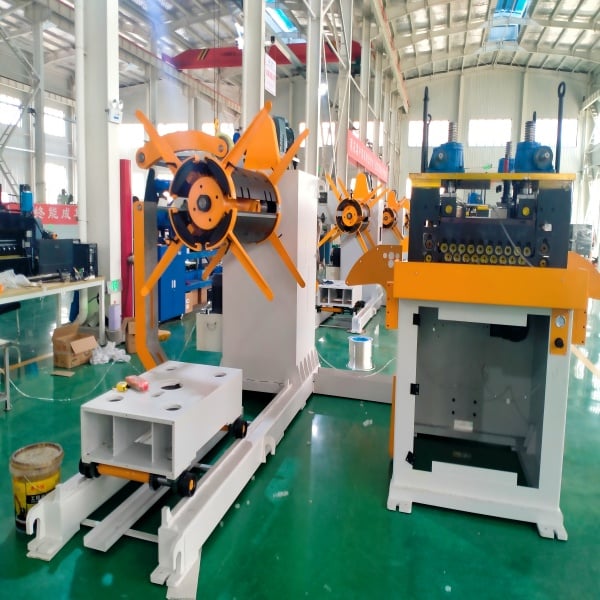
Feed rate control stands as the cornerstone of efficient material handling in industrial manufacturing environments. When selecting a zigzag feeder system, understanding the critical parameters that govern material flow becomes essential for optimizing production throughput and maintaining consistent quality standards. The sophisticated engineering behind modern zigzag feeder systems incorporates multiple control mechanisms that work in harmony to deliver precise, reliable material transport across diverse manufacturing applications. These advanced feeding solutions have revolutionized how industries approach bulk material handling, offering unprecedented levels of accuracy and efficiency that directly impact bottom-line performance.
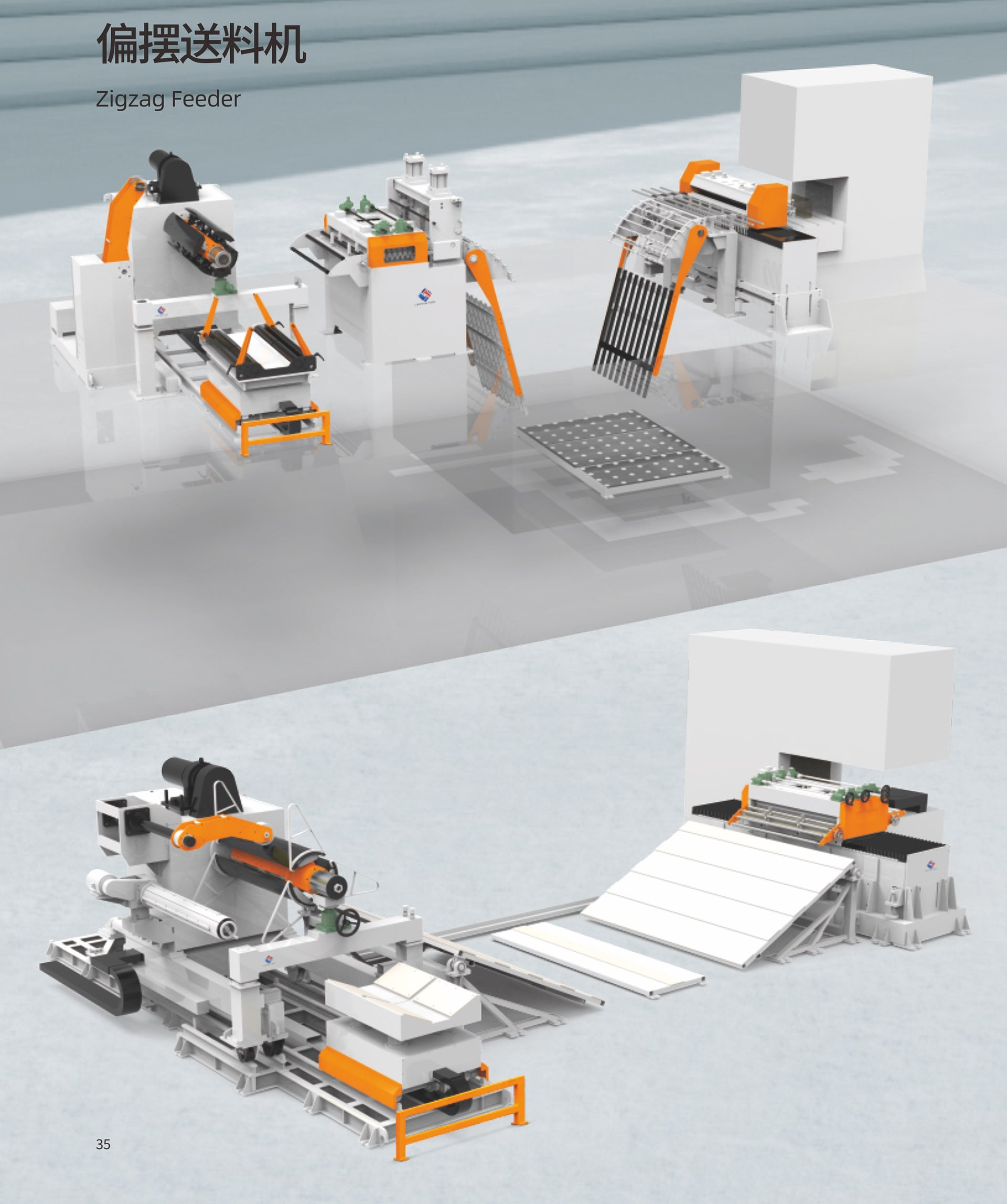
Fundamental Feed Rate Parameters in Zigzag Feeder Design
Amplitude Control Systems
The amplitude control system represents the primary mechanism through which zigzag feeder operations achieve precise material flow rates. This sophisticated parameter directly influences the distance materials travel with each oscillation cycle, creating a fundamental relationship between mechanical motion and throughput capacity. Modern zigzag feeder systems incorporate variable amplitude controls that allow operators to fine-tune material flow according to specific production requirements. The engineering precision required for optimal amplitude control involves careful consideration of material characteristics, including particle size, density, and flow properties that affect how materials respond to vibratory motion.
Advanced amplitude control mechanisms in contemporary zigzag feeder designs utilize electronic feedback systems that monitor real-time material flow conditions. These intelligent systems automatically adjust amplitude settings based on detected variations in material properties or environmental conditions that might affect feeding performance. The sophisticated algorithms governing these control systems analyze multiple data points simultaneously, including material velocity, flow consistency, and system vibration patterns. This comprehensive approach ensures that zigzag feeder operations maintain optimal performance levels regardless of fluctuations in input material characteristics or processing demands.
The precision engineering behind amplitude control systems extends beyond simple mechanical adjustments to encompass complex mathematical relationships between vibratory motion and material transport efficiency. Engineers designing zigzag feeder systems must account for factors such as material cohesion, surface friction, and gravitational effects that influence how amplitude changes translate into actual feed rate modifications. This intricate understanding of material physics enables the development of control algorithms that predict and compensate for variations in material behavior, ensuring consistent performance across diverse operating conditions.
Frequency Modulation Technologies
Frequency modulation represents another critical dimension of feed rate control in modern zigzag feeder systems, working in conjunction with amplitude controls to achieve precise material handling performance. The frequency of vibratory motion directly affects the speed at which materials traverse the feeding surface, creating opportunities for fine-tuned adjustments that complement amplitude-based controls. Contemporary zigzag feeder designs incorporate variable frequency drives that enable operators to modify oscillation rates across wide ranges, accommodating diverse material types and production requirements with exceptional precision.
The sophisticated engineering behind frequency modulation in zigzag feeder systems involves complex considerations of resonance characteristics and material response patterns. Engineers must carefully design frequency control systems that avoid resonant frequencies that could cause material segregation or create inconsistent flow patterns. The optimal frequency ranges for different materials require extensive testing and analysis to ensure that zigzag feeder operations maintain uniform material distribution while maximizing throughput efficiency.
Modern frequency control technologies in zigzag feeder applications utilize digital signal processing capabilities that enable precise manipulation of waveform characteristics beyond simple frequency adjustment. These advanced systems can modify wave shapes, introduce controlled variations in frequency patterns, and implement sophisticated modulation schemes that optimize material flow for specific applications. The integration of these technologies allows zigzag feeder systems to adapt dynamically to changing material properties or production demands, maintaining consistent performance levels that traditional mechanical systems cannot match.
Material-Specific Flow Characteristics
Bulk Density Considerations
Bulk density represents a fundamental material property that significantly influences zigzag feeder performance and requires careful consideration during system selection and configuration. Materials with varying bulk densities respond differently to vibratory motion, creating unique challenges for maintaining consistent feed rates across diverse applications. The engineering approach to accommodating different bulk densities involves sophisticated control algorithms that adjust both amplitude and frequency parameters based on real-time density measurements or predetermined material specifications.
The relationship between bulk density and zigzag feeder performance extends beyond simple weight considerations to encompass complex interactions between particle characteristics and vibratory motion. Dense materials typically require higher amplitude settings to achieve desired flow rates, while lighter materials may need reduced amplitude to prevent over-feeding or material spillage. The sophisticated control systems in modern zigzag feeder designs automatically compensate for these variations, ensuring consistent material flow regardless of bulk density fluctuations that might occur during normal production operations.
Advanced zigzag feeder systems incorporate load cells and other sensing technologies that continuously monitor material density and automatically adjust operating parameters to maintain optimal feed rates. These intelligent systems learn from historical data to predict density variations and proactively modify control settings to prevent feed rate disruptions. The integration of machine learning algorithms enables zigzag feeder systems to improve performance over time, developing increasingly accurate models of material behavior that enhance operational efficiency and reduce manual intervention requirements.
Particle Size Distribution Effects
Particle size distribution creates complex challenges for zigzag feeder systems, as different particle sizes respond uniquely to vibratory motion and can significantly affect overall feed rate consistency. The engineering solutions addressing these challenges involve sophisticated understanding of particle dynamics and the development of control strategies that accommodate size variations without compromising feeding accuracy. Modern zigzag feeder designs incorporate multiple sensing technologies that monitor particle size distribution in real-time, enabling dynamic adjustment of operating parameters to maintain consistent material flow.
The impact of particle size variations on zigzag feeder performance manifests through complex mechanisms including segregation effects, bridging tendencies, and flow pattern disruptions that can create significant challenges for maintaining precise feed rates. Fine particles may exhibit cohesive behavior that requires specific vibratory patterns to overcome inter-particle forces, while coarse particles might need different motion characteristics to prevent bouncing or erratic flow patterns. The sophisticated control algorithms in advanced zigzag feeder systems account for these variations, implementing particle size-specific operating profiles that optimize performance for diverse material compositions.
Contemporary zigzag feeder technologies utilize computer vision systems and particle analysis capabilities that provide real-time feedback on particle size distribution characteristics. This information enables immediate adjustments to control parameters, ensuring that feed rate consistency remains within acceptable tolerances despite variations in input material characteristics. The integration of these advanced monitoring capabilities represents a significant advancement in zigzag feeder technology, enabling unprecedented levels of precision and reliability in industrial material handling applications.
Environmental Factors Affecting Feed Rate Control
Temperature and Humidity Influences
Environmental conditions, particularly temperature and humidity variations, create significant challenges for maintaining consistent zigzag feeder performance across diverse operating environments. Temperature fluctuations affect material properties such as moisture content, flowability, and cohesion characteristics that directly influence how materials respond to vibratory motion. The engineering approach to addressing these challenges involves sophisticated environmental compensation systems that monitor ambient conditions and automatically adjust zigzag feeder parameters to maintain optimal performance levels.
Humidity variations present particular challenges for zigzag feeder operations, as moisture absorption can dramatically alter material flow characteristics and create bridging or agglomeration problems that disrupt consistent feed rates. Modern zigzag feeder systems incorporate humidity sensors and predictive algorithms that anticipate moisture-related flow problems and implement preventive control adjustments. These advanced systems can modify vibratory patterns, adjust amplitude settings, or alter frequency parameters to compensate for humidity-induced changes in material behavior.
The sophisticated environmental monitoring capabilities integrated into contemporary zigzag feeder designs extend beyond simple temperature and humidity measurement to include comprehensive analysis of atmospheric conditions that might affect material handling performance. These systems consider factors such as barometric pressure, air circulation patterns, and seasonal variations that can influence material properties over time. The comprehensive approach to environmental compensation ensures that zigzag feeder systems maintain consistent performance levels regardless of external conditions that might otherwise compromise feeding accuracy.
Vibration Isolation Requirements
Vibration isolation represents a critical aspect of zigzag feeder installation that directly affects feed rate control accuracy and system longevity. External vibrations from nearby equipment, structural resonances, or ground-transmitted disturbances can interfere with the precise vibratory motion required for accurate material feeding. The engineering solutions addressing these challenges involve sophisticated isolation systems that protect zigzag feeder operations from external interference while maintaining optimal internal vibratory characteristics.
The design of effective vibration isolation systems for zigzag feeder applications requires comprehensive analysis of frequency spectra, amplitude characteristics, and directional components of potential interference sources. Engineers must consider not only the isolation of external vibrations but also the prevention of zigzag feeder vibrations from affecting nearby sensitive equipment or structures. This dual-purpose approach ensures that zigzag feeder systems operate harmoniously within complex industrial environments without creating mutual interference problems.
Modern vibration isolation technologies for zigzag feeder applications incorporate active damping systems and intelligent monitoring capabilities that continuously assess isolation performance and adjust damping characteristics as needed. These advanced systems can detect changes in vibration patterns that might indicate developing problems with isolation effectiveness or zigzag feeder performance. The proactive approach to vibration management ensures consistent feed rate control while protecting system components from premature wear or damage that could compromise long-term reliability.
Integration with Process Control Systems
Automated Feedback Mechanisms
The integration of automated feedback mechanisms represents a revolutionary advancement in zigzag feeder technology, enabling real-time optimization of feed rate control based on downstream process requirements and material flow characteristics. These sophisticated systems continuously monitor material flow rates, downstream process conditions, and system performance parameters to maintain optimal feeding accuracy without manual intervention. The engineering complexity behind these automated systems involves intricate control algorithms that process multiple data streams simultaneously to make intelligent adjustments to zigzag feeder operations.
Contemporary feedback systems in zigzag feeder applications utilize advanced sensor technologies including laser measurement devices, load cells, and flow meters that provide precise, real-time data on material handling performance. This comprehensive monitoring capability enables the detection of subtle variations in feed rates that might indicate developing problems or changing material characteristics. The sophisticated data processing capabilities integrated into modern zigzag feeder control systems can identify trends and patterns that human operators might miss, enabling proactive adjustments that prevent feed rate disruptions before they affect production quality.
The machine learning capabilities incorporated into advanced zigzag feeder feedback systems enable continuous improvement in control accuracy and system performance over time. These intelligent systems learn from historical data to develop increasingly sophisticated models of material behavior and system response characteristics. The adaptive nature of these control algorithms allows zigzag feeder systems to optimize performance for specific applications and operating conditions, achieving levels of precision and efficiency that exceed traditional mechanical control approaches.
Communication Protocol Standards
Modern zigzag feeder systems must integrate seamlessly with existing process control infrastructure, requiring adherence to established communication protocol standards that enable reliable data exchange and coordinated operation. The engineering approach to protocol implementation involves sophisticated understanding of industrial networking requirements and the development of communication interfaces that maintain real-time responsiveness while ensuring data integrity and system security. Contemporary zigzag feeder designs support multiple protocol standards simultaneously, enabling flexible integration with diverse control system architectures.
The implementation of standardized communication protocols in zigzag feeder systems enables comprehensive integration with enterprise-level manufacturing execution systems and process optimization platforms. This connectivity allows zigzag feeder operations to participate in plant-wide optimization strategies that consider material flow requirements across multiple process stages. The sophisticated data sharing capabilities enable predictive maintenance scheduling, energy optimization, and quality control strategies that leverage zigzag feeder performance data to improve overall manufacturing efficiency.
Security considerations in zigzag feeder communication systems require implementation of robust cybersecurity measures that protect against potential threats while maintaining operational flexibility and performance. Modern protocol implementations incorporate encryption technologies, authentication mechanisms, and access control systems that ensure secure communication without compromising real-time responsiveness. The comprehensive approach to communication security ensures that zigzag feeder systems can participate safely in networked manufacturing environments while maintaining the high-performance characteristics required for precise material handling applications.
FAQ
What factors determine the optimal feed rate for a zigzag feeder system?
The optimal feed rate for a zigzag feeder depends on multiple interconnected factors including material characteristics such as bulk density, particle size distribution, and flow properties, as well as downstream process requirements and production throughput targets. Environmental conditions like temperature and humidity also influence optimal feed rate settings, as these factors affect material behavior and flow characteristics. Modern zigzag feeder systems utilize sophisticated control algorithms that consider all these variables simultaneously to determine and maintain optimal feed rates automatically, ensuring consistent performance across varying operating conditions while maximizing production efficiency.
How do amplitude and frequency controls work together in zigzag feeder systems?
Amplitude and frequency controls work synergistically in zigzag feeder systems to achieve precise material flow rates through complementary mechanisms that affect different aspects of material transport. Amplitude controls determine the distance materials travel with each vibratory cycle, directly influencing the volume of material moved per oscillation, while frequency controls affect the speed of oscillation cycles, determining how quickly materials traverse the feeding surface. The sophisticated interaction between these controls enables fine-tuned adjustment of feed rates, with modern systems automatically optimizing both parameters based on material characteristics and production requirements to achieve optimal performance.
What maintenance considerations affect zigzag feeder feed rate accuracy?
Maintenance considerations that significantly impact zigzag feeder feed rate accuracy include regular inspection and calibration of control sensors, monitoring of vibratory motor performance and bearing condition, and verification of isolation system effectiveness. Wear on feeding surfaces, accumulation of material residues, and changes in system resonance characteristics can all affect feed rate consistency and require periodic attention. Modern zigzag feeder systems incorporate predictive maintenance capabilities that monitor performance parameters continuously, alerting operators to potential issues before they affect feed rate accuracy and enabling proactive maintenance scheduling that minimizes production disruptions.
How do material properties influence zigzag feeder control parameter selection?
Material properties fundamentally influence zigzag feeder control parameter selection through their effects on how materials respond to vibratory motion and flow through the feeding system. Properties such as bulk density, particle size, moisture content, and cohesion characteristics determine optimal amplitude and frequency settings, with dense materials typically requiring higher amplitude settings and cohesive materials needing specific frequency patterns to overcome inter-particle forces. Advanced zigzag feeder systems incorporate material property databases and automated parameter selection algorithms that optimize control settings based on comprehensive analysis of material characteristics, ensuring optimal performance for diverse applications while minimizing manual setup requirements and reducing the potential for operator error.
Table of Contents
- Fundamental Feed Rate Parameters in Zigzag Feeder Design
- Material-Specific Flow Characteristics
- Environmental Factors Affecting Feed Rate Control
- Integration with Process Control Systems
-
FAQ
- What factors determine the optimal feed rate for a zigzag feeder system?
- How do amplitude and frequency controls work together in zigzag feeder systems?
- What maintenance considerations affect zigzag feeder feed rate accuracy?
- How do material properties influence zigzag feeder control parameter selection?