
 EN
EN
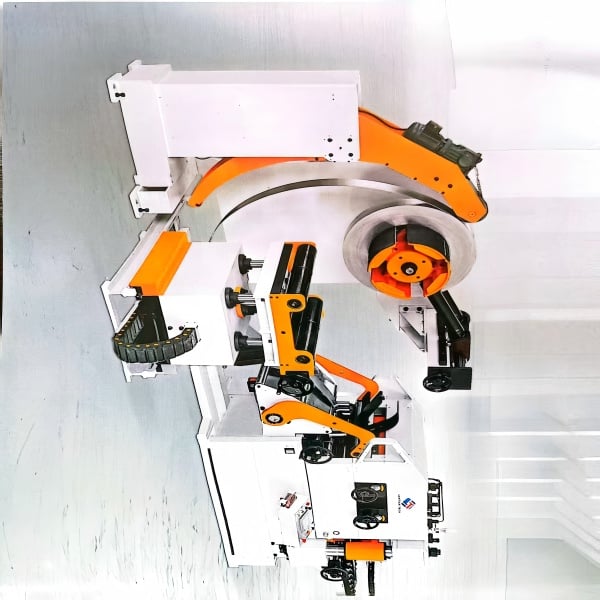
Manufacturing efficiency depends heavily on seamless material handling and component feeding systems. The threeinone feeding machine represents a revolutionary approach to automated production workflows, combining multiple feeding functions into a single, integrated solution. This advanced equipment eliminates the need for separate feeding mechanisms, reducing production complexity while maximizing throughput. Industrial manufacturers across various sectors are discovering how these innovative systems transform their operational efficiency and reduce overall production costs.
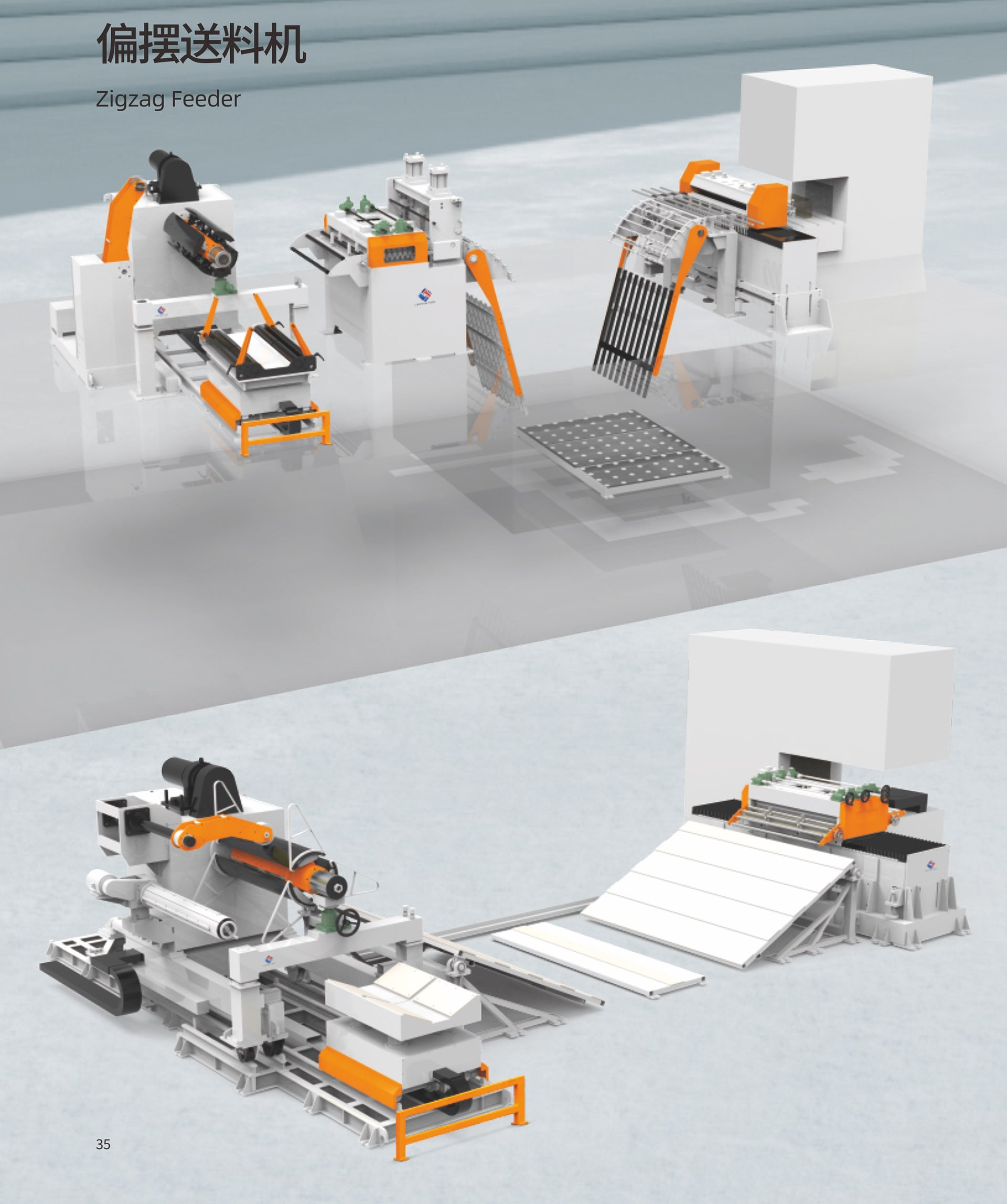
The integration of multiple feeding capabilities within a single unit addresses the growing demand for streamlined production processes. Modern manufacturing facilities require equipment that can handle diverse materials, maintain consistent feed rates, and adapt to varying production requirements. A threeinone feeding machine delivers these capabilities through sophisticated engineering and intelligent control systems that monitor and adjust feeding parameters in real-time.
Production managers recognize the significant advantages of consolidating feeding operations into unified systems. Traditional setups often require multiple machines, each with separate control systems, maintenance schedules, and operational protocols. This complexity increases the likelihood of bottlenecks, synchronization issues, and maintenance-related downtime. The threeinone feeding machine approach eliminates these challenges by providing comprehensive feeding solutions within a single, well-coordinated platform.
Core Components and Functionality
Integrated Feeding Mechanisms
The primary strength of a threeinone feeding machine lies in its ability to perform multiple feeding functions simultaneously. These systems typically incorporate vibratory feeding, conveyor transport, and precision dispensing capabilities within a unified framework. Each component operates in perfect synchronization with the others, ensuring smooth material flow throughout the production cycle. The integrated design eliminates the need for complex interconnection systems between separate machines.
Advanced sensor technology enables these machines to monitor material levels, flow rates, and positioning accuracy continuously. The feedback systems automatically adjust feeding speeds, vibration patterns, and conveyor movements to maintain optimal performance. This real-time optimization ensures consistent product quality while minimizing material waste and production delays.
Control System Integration
Modern threeinone feeding machine systems feature sophisticated control interfaces that allow operators to manage all feeding functions from a single console. These centralized control systems provide comprehensive monitoring capabilities, displaying real-time performance data, maintenance alerts, and production statistics. The integration simplifies training requirements and reduces the potential for operator errors during production runs.
Programmable logic controllers enable the storage and recall of multiple feeding programs, allowing rapid changeovers between different product configurations. This flexibility proves invaluable for manufacturers producing diverse product lines or accommodating frequent specification changes. The ability to switch between feeding modes without extensive reconfiguration reduces downtime and increases overall equipment effectiveness.
Workflow Optimization Benefits
Reduced Production Complexity
Implementing a threeinone feeding machine significantly reduces the complexity of production line layouts. Traditional feeding systems often require careful coordination between multiple independent machines, each with its own timing requirements and operational characteristics. This complexity increases the risk of synchronization errors and creates multiple points of potential failure within the production process.
The unified approach eliminates synchronization challenges by ensuring all feeding functions operate under unified control parameters. Production planners can design more efficient line layouts with shorter material handling distances and fewer transfer points. This streamlined configuration reduces the overall footprint required for feeding operations while improving material flow efficiency.
Enhanced Production Speed
The integrated nature of threeinone feeding machine systems enables faster overall production speeds compared to traditional multi-machine setups. Elimination of inter-machine transfer delays and the optimization of feeding sequences contribute to improved cycle times. The continuous, coordinated operation ensures materials reach subsequent production stages with minimal delays.
Advanced buffering capabilities within these systems help maintain consistent feed rates even when upstream or downstream processes experience temporary variations in speed. This buffering function prevents cascading delays throughout the production line and maintains steady output rates during normal operational fluctuations.
Material Handling Versatility
Multi-Material Compatibility
A key advantage of the threeinone feeding machine design is its ability to handle various material types within the same system. Different feeding mechanisms can be optimized for specific material characteristics, such as granular materials, powders, or discrete components. This versatility eliminates the need for separate feeding systems for different materials, reducing capital investment and operational complexity.
Adjustable feeding parameters allow the same threeinone feeding machine to accommodate materials with varying flow characteristics, sizes, and densities. Quick-change tooling and adjustable guides enable rapid reconfiguration for different materials without extensive downtime or mechanical modifications. This adaptability proves particularly valuable for manufacturers processing multiple product variants or seasonal material changes.
Precision Control Capabilities
Modern threeinone feeding machine systems provide exceptional precision in material dispensing and positioning. Advanced weighing systems and flow control mechanisms ensure accurate material quantities reach each production stage. This precision reduces material waste, improves product consistency, and helps maintain tight quality control standards throughout the manufacturing process.
Closed-loop feedback systems continuously monitor feeding accuracy and make real-time adjustments to maintain target specifications. These systems can detect and compensate for variations in material characteristics, environmental conditions, and equipment wear to maintain consistent performance over extended operating periods.
Maintenance and Operational Efficiency
Simplified Maintenance Protocols
Consolidating multiple feeding functions into a single threeinone feeding machine significantly simplifies maintenance requirements. Instead of managing separate maintenance schedules for multiple machines, operators can focus on a single, integrated system. This consolidation reduces the total number of maintenance points, spare parts inventory requirements, and specialized tools needed for routine servicing.
Predictive maintenance capabilities built into modern systems provide early warning of potential issues before they affect production. Vibration monitoring, temperature sensors, and wear detection systems alert maintenance teams to developing problems, enabling proactive intervention that prevents unexpected downtime. This predictive approach maximizes equipment availability and reduces emergency repair costs.
Operational Cost Reduction
The threeinone feeding machine approach delivers substantial operational cost savings through improved efficiency and reduced complexity. Lower energy consumption results from optimized motor usage and elimination of redundant drive systems. Reduced floor space requirements can lower facility costs and enable more efficient plant layouts.
Labor costs decrease due to simplified operation and reduced training requirements. Operators can manage the entire feeding process from a single control station, eliminating the need for multiple machine operators. The reduced complexity also minimizes the skill level required for routine operations, expanding the available operator pool and reducing training costs.
Quality and Consistency Improvements
Enhanced Product Quality
The integrated control systems within threeinone feeding machine setups enable superior product quality through consistent material handling and precise feeding control. Uniform material distribution and accurate positioning contribute to more consistent final product characteristics. The elimination of manual handling steps reduces contamination risks and human error factors that can affect product quality.
Real-time monitoring capabilities allow immediate detection and correction of feeding irregularities that could impact product quality. Automated rejection systems can remove defective products before they continue through the production process, reducing waste and protecting downstream equipment from damage caused by improperly fed materials.
Process Standardization
Implementing a threeinone feeding machine promotes process standardization across production lines and facilities. Consistent feeding methods and control parameters ensure reproducible results regardless of operator variations or environmental factors. This standardization simplifies quality management procedures and enables more effective process control throughout the manufacturing operation.
Documentation and data logging capabilities provide comprehensive records of feeding parameters and performance metrics. This data supports continuous improvement initiatives and helps identify optimization opportunities. The standardized approach also facilitates technology transfer between facilities and simplifies expansion of successful processes to new production lines.
Implementation Considerations
System Integration Requirements
Successful implementation of a threeinone feeding machine requires careful consideration of existing production line interfaces and control systems. Integration with upstream material handling equipment and downstream processing machines must be planned to ensure seamless operation. Communication protocols between the feeding system and other production equipment need to be established for coordinated operation.
Facility requirements, including power supply, compressed air, and space allocation, must be evaluated during the planning phase. The threeinone feeding machine may require different utilities compared to previous feeding systems, necessitating infrastructure modifications. Proper planning ensures smooth installation and optimal system performance from startup.
Training and Change Management
The transition to threeinone feeding machine technology requires comprehensive operator training and change management procedures. While these systems simplify many aspects of feeding operations, operators need to understand the integrated functionality and advanced control capabilities. Training programs should cover both routine operations and troubleshooting procedures for the consolidated system.
Change management efforts should emphasize the benefits of the new technology while addressing any concerns about operational modifications. Clear communication about improved efficiency, reduced complexity, and enhanced capabilities helps ensure successful adoption. Ongoing support during the initial implementation period facilitates smooth transition and optimal utilization of the new equipment.
FAQ
What types of materials can a threeinone feeding machine handle effectively
Threeinone feeding machine systems are designed to handle a wide variety of materials including granular substances, powders, pellets, and discrete components. The integrated feeding mechanisms can be configured for materials ranging from fine powders to larger parts, with adjustable parameters to accommodate different flow characteristics, densities, and sizes. Many systems include quick-change features that allow rapid reconfiguration for different material types without extensive downtime.
How does a threeinone feeding machine compare to traditional separate feeding systems in terms of cost
While the initial investment for a threeinone feeding machine may be higher than individual feeding components, the total cost of ownership is typically lower due to reduced installation complexity, simplified maintenance requirements, and improved operational efficiency. The consolidated approach eliminates duplicate control systems, reduces spare parts inventory, and decreases energy consumption through optimized operation. Additionally, improved reliability and reduced downtime contribute to better return on investment over the equipment lifecycle.
What maintenance advantages does a threeinone feeding machine offer over multiple separate machines
The threeinone feeding machine design significantly simplifies maintenance by consolidating multiple feeding functions into a single system with unified maintenance procedures. This reduces the number of maintenance points, standardizes spare parts requirements, and enables more efficient scheduling of service activities. Integrated diagnostic systems provide comprehensive monitoring of all feeding functions from a single interface, making it easier to identify and address potential issues before they affect production.
Can a threeinone feeding machine be integrated with existing production line control systems
Modern threeinone feeding machine systems are designed with flexible communication capabilities that enable integration with most industrial control systems. Standard communication protocols such as Ethernet/IP, Profibus, and Modbus are typically supported, allowing seamless connection to existing PLCs and SCADA systems. The integration enables centralized monitoring and control of the entire production line while maintaining the advanced feeding capabilities of the specialized equipment.
Table of Contents
- Core Components and Functionality
- Workflow Optimization Benefits
- Material Handling Versatility
- Maintenance and Operational Efficiency
- Quality and Consistency Improvements
- Implementation Considerations
-
FAQ
- What types of materials can a threeinone feeding machine handle effectively
- How does a threeinone feeding machine compare to traditional separate feeding systems in terms of cost
- What maintenance advantages does a threeinone feeding machine offer over multiple separate machines
- Can a threeinone feeding machine be integrated with existing production line control systems