
 EN
EN
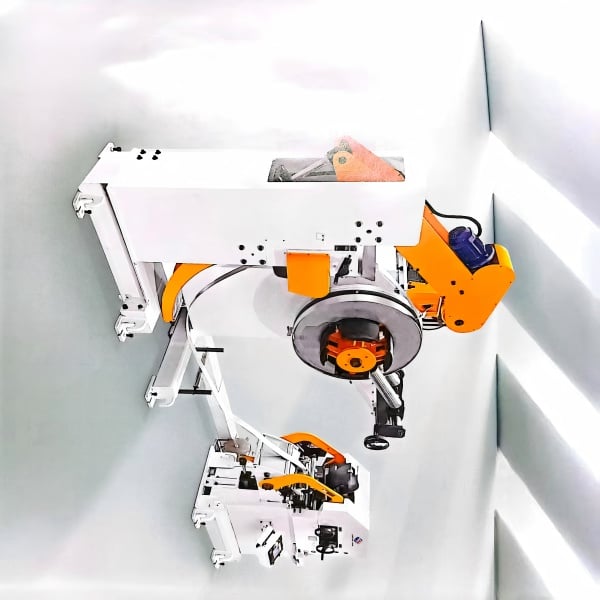
Modern factory automation demands sophisticated material handling solutions that can integrate seamlessly with existing production lines. A threeinone feeding machine represents a breakthrough in industrial automation, combining multiple feeding functions into a single, streamlined unit. These versatile systems are revolutionizing how manufacturers approach material transport, sorting, and positioning tasks across various industries. The customization capabilities of these machines allow factories to optimize their production workflows while reducing floor space requirements and operational complexity.
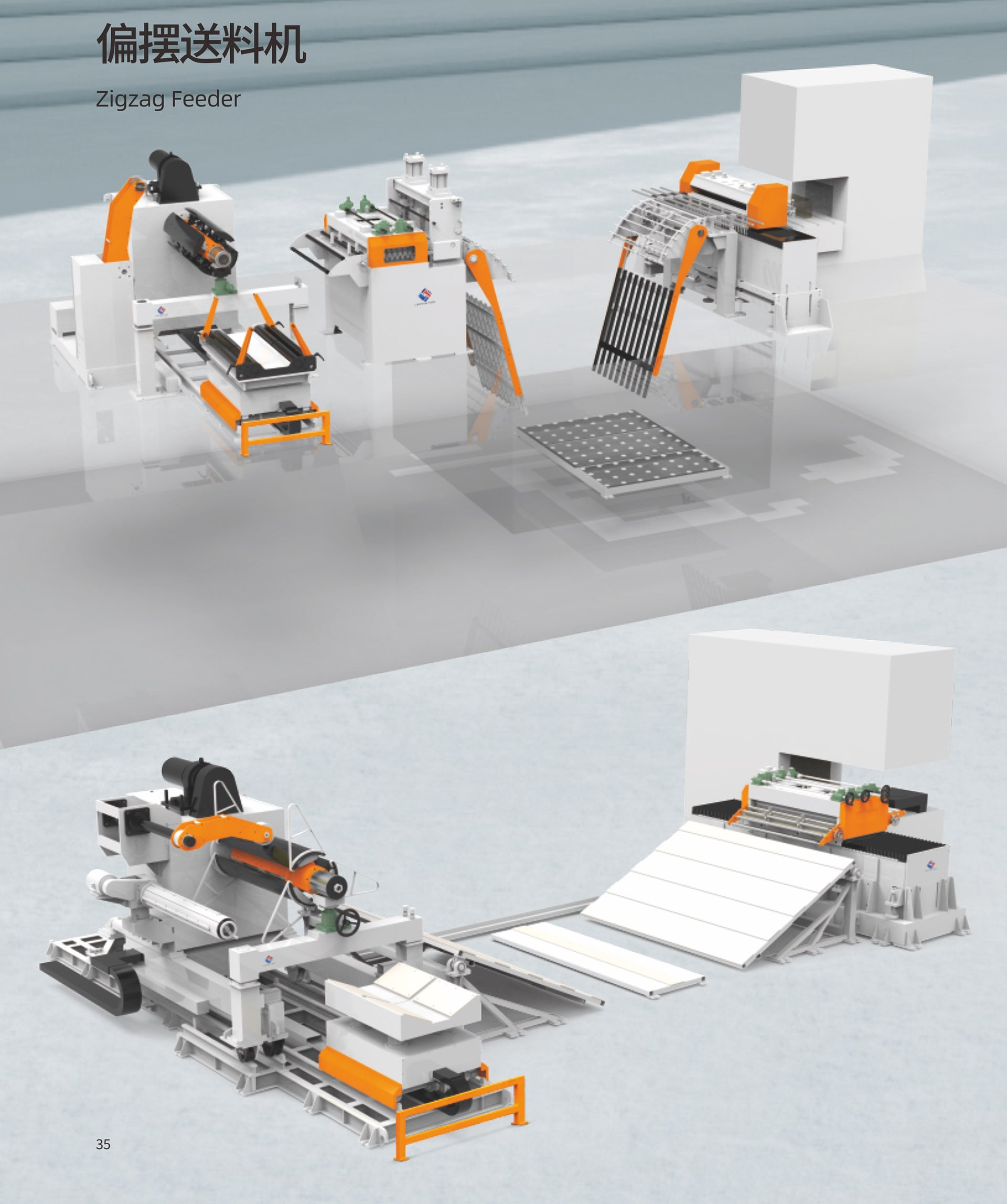
Understanding Three-in-One Feeding Technology
Core Components and Functionality
The threeinone feeding machine integrates three distinct feeding mechanisms within a unified framework. These systems typically combine linear feeding, vibratory sorting, and precision positioning capabilities to create a comprehensive material handling solution. The linear feeding component ensures consistent product flow along predetermined paths, while the vibratory sorting function separates materials based on size, weight, or other physical characteristics. The precision positioning element allows for accurate placement of components at designated stations throughout the production process.
Advanced control systems coordinate these three functions through sophisticated programming interfaces that can be customized for specific manufacturing requirements. The integration of sensors and feedback mechanisms ensures optimal performance across all three operational modes. Manufacturers can adjust parameters such as feed rates, sorting criteria, and positioning accuracy to match their unique production demands. This flexibility makes the threeinone feeding machine an ideal solution for diverse industrial applications ranging from electronics assembly to automotive component manufacturing.
Technological Advantages in Modern Manufacturing
The technological sophistication of modern threeinone feeding machine systems extends beyond basic material transport functionality. These machines incorporate advanced features such as real-time monitoring, predictive maintenance capabilities, and adaptive control algorithms that optimize performance based on changing production conditions. The integration of artificial intelligence and machine learning technologies allows these systems to continuously improve their operational efficiency over time.
Energy efficiency represents another significant advantage of contemporary threeinone feeding machine designs. Advanced motor control systems and optimized mechanical components reduce power consumption while maintaining high performance levels. This efficiency translates into lower operational costs and reduced environmental impact, making these machines attractive investments for sustainability-focused manufacturers. The modular design approach also enables easy upgrades and modifications as production requirements evolve.
Customization Strategies for Factory Integration
Modular Design Principles
The customization process for a threeinone feeding machine begins with understanding the specific requirements of each manufacturing environment. Engineers analyze factors such as production volume, material characteristics, available floor space, and integration points with existing equipment. This comprehensive assessment forms the foundation for designing modular components that can be configured to meet precise operational needs. The modular approach allows manufacturers to select specific feeding functions while maintaining compatibility with their current automation infrastructure.
Flexibility in design extends to mechanical configurations, control system interfaces, and safety features. Manufacturers can specify custom dimensions, materials of construction, and operational parameters to ensure optimal performance within their unique production environments. The threeinone feeding machine can be configured with various input and output interfaces to seamlessly connect with upstream and downstream processes. This integration capability minimizes disruption to existing production workflows while maximizing the benefits of enhanced automation.
Software Configuration and Control Integration
Software customization plays a crucial role in optimizing threeinone feeding machine performance for specific factory applications. Advanced programming interfaces allow engineers to configure operational parameters, establish communication protocols with other automation systems, and implement custom control logic. The software architecture supports integration with popular industrial communication standards, enabling seamless data exchange between the feeding system and factory management systems.
Real-time monitoring and diagnostic capabilities can be tailored to provide specific performance metrics and alerts relevant to each manufacturing operation. Custom dashboards and reporting functions help operators maintain optimal system performance while identifying opportunities for continuous improvement. The threeinone feeding machine software can also be configured to support remote monitoring and maintenance capabilities, reducing downtime and improving overall equipment effectiveness.
Implementation Considerations and Best Practices
Installation and Setup Requirements
Successful implementation of a threeinone feeding machine requires careful attention to installation requirements and environmental considerations. Site preparation involves evaluating factors such as foundation stability, electrical infrastructure, and space allocation for maintenance access. Proper installation ensures optimal performance and longevity of the feeding system while minimizing potential operational disruptions during the commissioning phase.
Environmental factors such as temperature, humidity, and vibration levels must be considered during the installation process. The threeinone feeding machine may require specific environmental controls or protective enclosures to maintain consistent performance in challenging industrial environments. Adequate clearance for maintenance access and safety considerations should also be incorporated into the installation planning process to ensure safe and efficient operation throughout the system lifecycle.
Training and Operational Support
Comprehensive training programs are essential for maximizing the benefits of threeinone feeding machine implementation. Operators and maintenance personnel require thorough understanding of system capabilities, safety procedures, and troubleshooting techniques. Training programs should be customized to address the specific configuration and operational parameters of each installation, ensuring personnel can effectively manage and maintain the system.
Ongoing support services play a vital role in maintaining optimal performance of the threeinone feeding machine throughout its operational life. Regular maintenance schedules, performance optimization reviews, and technology updates help ensure continued reliability and efficiency. Technical support resources should be readily available to address any operational challenges and provide guidance for system enhancements or modifications as production requirements evolve.
Performance Optimization and Maintenance
Monitoring and Diagnostic Systems
Advanced monitoring capabilities built into modern threeinone feeding machine systems provide real-time insights into operational performance and system health. These diagnostic tools track key performance indicators such as throughput rates, positioning accuracy, and energy consumption to identify optimization opportunities and potential maintenance requirements. The monitoring systems can be configured to generate automated alerts when performance parameters fall outside acceptable ranges.
Data analytics capabilities enable manufacturers to identify trends and patterns in threeinone feeding machine performance over time. This information supports proactive maintenance strategies and helps optimize operational parameters for maximum efficiency. The integration of predictive maintenance technologies can significantly reduce unplanned downtime while extending equipment life through optimized maintenance scheduling.
Preventive Maintenance Strategies
Effective preventive maintenance programs are crucial for maintaining reliable operation of threeinone feeding machine systems. Regular inspection schedules should address mechanical components, electrical systems, and software performance to identify potential issues before they impact production. Maintenance procedures should be customized based on the specific configuration and operating conditions of each installation.
Component replacement strategies should consider factors such as usage patterns, environmental conditions, and criticality of system functions. The modular design of threeinone feeding machine systems facilitates efficient maintenance by allowing individual components to be serviced without disrupting entire system operation. Proper inventory management of spare parts and consumables ensures minimal downtime when maintenance activities are required.
Future Developments and Industry Trends
Emerging Technologies and Innovations
The evolution of threeinone feeding machine technology continues to advance through integration of emerging technologies such as artificial intelligence, Internet of Things connectivity, and advanced materials science. These innovations promise to enhance system capabilities while reducing complexity and operational costs. Smart sensors and edge computing capabilities enable real-time optimization of feeding parameters based on changing production conditions.
Advanced materials and manufacturing techniques are enabling the development of more durable and efficient threeinone feeding machine components. Lightweight yet strong materials reduce energy consumption while maintaining structural integrity under demanding operational conditions. Precision manufacturing technologies allow for tighter tolerances and improved performance consistency across multiple units.
Market Trends and Industry Applications
Growing demand for flexible manufacturing solutions is driving increased adoption of threeinone feeding machine technology across diverse industries. The ability to quickly reconfigure these systems for different products or production requirements makes them particularly attractive for manufacturers facing rapidly changing market demands. This flexibility is especially valuable in industries such as electronics, pharmaceuticals, and consumer goods where product lifecycles are becoming increasingly compressed.
Sustainability considerations are also influencing threeinone feeding machine development, with manufacturers increasingly focused on energy efficiency and environmental impact reduction. Advanced control systems optimize power consumption while maintaining high performance levels, contributing to overall factory sustainability goals. The modular design approach also supports circular economy principles by enabling component reuse and recycling at end of life.
FAQ
What are the main advantages of using a threeinone feeding machine over separate feeding systems?
A threeinone feeding machine offers significant advantages including reduced floor space requirements, lower installation and maintenance costs, and improved system integration. By combining multiple feeding functions into a single unit, manufacturers can achieve better coordination between different material handling processes while simplifying control system requirements. The integrated design also reduces the number of interfaces between components, improving overall system reliability and reducing potential failure points.
How long does it typically take to customize and implement a threeinone feeding machine?
The customization and implementation timeline for a threeinone feeding machine varies depending on the complexity of requirements and integration challenges. Typically, the design and customization phase takes 4-8 weeks, followed by manufacturing and testing which may require an additional 6-12 weeks. Installation and commissioning usually take 1-3 weeks depending on site preparation requirements and system complexity. Overall project timelines generally range from 3-6 months from initial specification to full operational status.
What maintenance requirements should be expected for a threeinone feeding machine?
Regular maintenance requirements for a threeinone feeding machine include daily visual inspections, weekly lubrication of moving components, and monthly calibration checks of positioning systems. More comprehensive maintenance activities such as bearing replacement, belt tensioning, and software updates are typically performed quarterly or semi-annually. The specific maintenance schedule should be customized based on operating conditions, usage patterns, and manufacturer recommendations to ensure optimal performance and longevity.
Can existing factory automation systems be integrated with a new threeinone feeding machine?
Yes, modern threeinone feeding machine systems are designed with extensive integration capabilities to work with existing factory automation infrastructure. Standard industrial communication protocols enable seamless connection with programmable logic controllers, supervisory control systems, and enterprise resource planning software. The modular design approach allows for custom interface development when needed to ensure compatibility with legacy systems while maintaining optimal performance and functionality.
Table of Contents
- Understanding Three-in-One Feeding Technology
- Customization Strategies for Factory Integration
- Implementation Considerations and Best Practices
- Performance Optimization and Maintenance
- Future Developments and Industry Trends
-
FAQ
- What are the main advantages of using a threeinone feeding machine over separate feeding systems?
- How long does it typically take to customize and implement a threeinone feeding machine?
- What maintenance requirements should be expected for a threeinone feeding machine?
- Can existing factory automation systems be integrated with a new threeinone feeding machine?