
 EN
EN
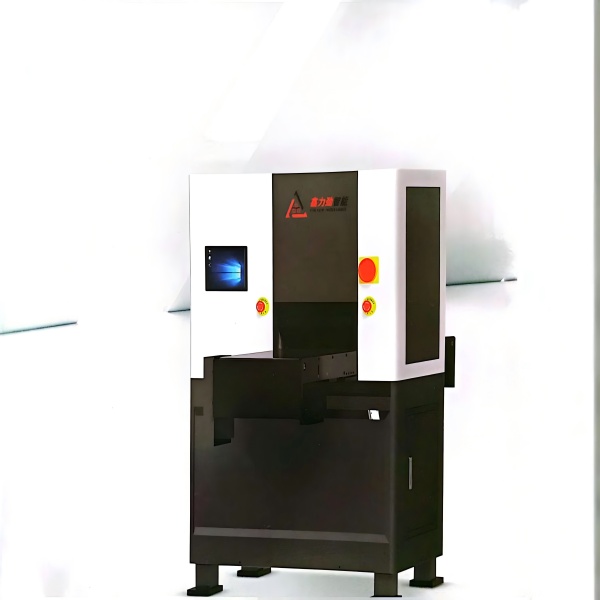
Metal fabrication industries rely heavily on precision equipment to achieve flawless results in their manufacturing processes. Among the most critical pieces of equipment is the leveling machine, which ensures that metal sheets, plates, and coils meet exact flatness specifications required for downstream operations. Understanding the characteristics that define a superior leveling machine can significantly impact production efficiency, product quality, and overall operational costs in metalworking facilities.
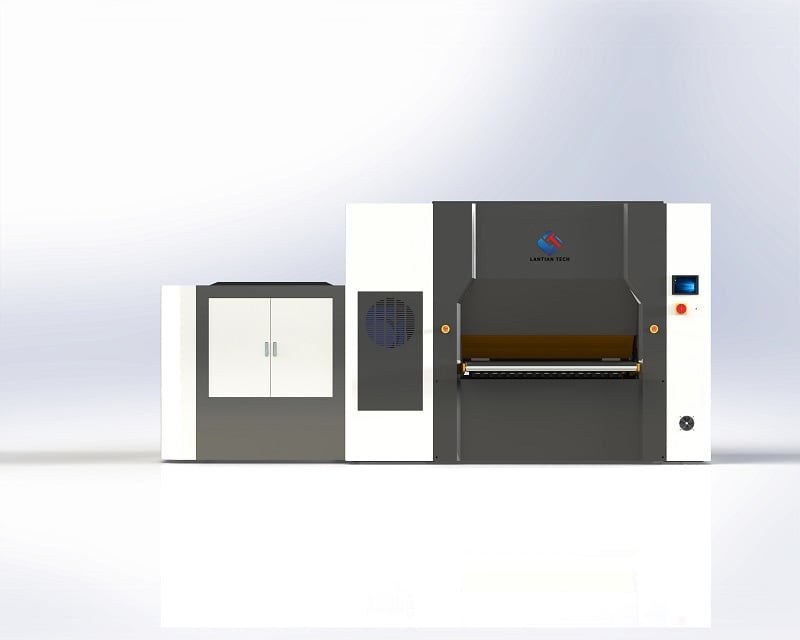
The modern manufacturing landscape demands equipment that not only delivers consistent results but also adapts to varying material specifications and production requirements. A quality leveling machine serves as the foundation for achieving dimensional accuracy and surface quality standards that meet both industry specifications and customer expectations. The investment in the right leveling equipment translates directly into reduced material waste, improved product consistency, and enhanced manufacturing efficiency.
Essential Design Features for Optimal Performance
Precision Roll Configuration Systems
The heart of any effective leveling machine lies in its roll configuration system, which determines the equipment's ability to eliminate material stress and achieve uniform flatness. Advanced leveling machines incorporate multiple working rolls arranged in a precise geometric pattern that allows for controlled plastic deformation of the metal substrate. The number of rolls, their diameter, and spacing directly influence the machine's capability to process different material thicknesses and achieve varying degrees of flatness correction.
High-performance leveling machines typically feature adjustable roll positioning mechanisms that enable operators to fine-tune the leveling process for specific material characteristics. This adjustability becomes crucial when processing materials with different yield strengths, thicknesses, or surface conditions. The roll surface finish and hardness specifications also play a vital role in determining the final surface quality of processed materials and the longevity of the equipment under continuous operation.
Hydraulic Control Integration
Modern leveling machines incorporate sophisticated hydraulic control systems that provide precise pressure regulation and consistent force application across the working width. These hydraulic systems enable operators to maintain optimal processing conditions regardless of material variations or production speed changes. The integration of proportional hydraulic valves and feedback control systems ensures that the leveling machine maintains consistent performance parameters throughout extended production runs.
The hydraulic system design also influences the machine's ability to handle emergency stops, material threading procedures, and maintenance operations safely and efficiently. Advanced hydraulic controls provide real-time monitoring capabilities that alert operators to potential issues before they impact production quality or equipment reliability. This predictive maintenance capability significantly reduces unplanned downtime and extends the operational life of critical machine components.
Material Processing Capabilities and Versatility
Thickness Range and Material Compatibility
A superior leveling machine demonstrates exceptional versatility in handling diverse material specifications while maintaining consistent processing quality. The equipment's thickness processing range directly impacts its utility in various manufacturing applications, from thin gauge automotive panels to heavy structural steel plates. Leading leveling machines can accommodate material thickness variations from ultra-thin foils to heavy plates exceeding several inches in thickness without requiring extensive setup changes.
Material compatibility extends beyond thickness considerations to include various alloy compositions, surface treatments, and mechanical properties. A well-designed leveling machine processes aluminum alloys, carbon steels, stainless steels, and specialty metals with equal precision and efficiency. This versatility becomes particularly valuable in job shop environments where production requirements frequently change, and equipment must adapt quickly to different material specifications and customer requirements.
Speed and Throughput Optimization
Production efficiency demands that a leveling machine operates at optimal speeds while maintaining quality standards throughout the processing cycle. Advanced machines incorporate variable speed drive systems that allow operators to adjust processing speeds based on material characteristics, quality requirements, and downstream equipment capabilities. The ability to maintain consistent leveling quality across a wide speed range demonstrates the sophistication of the machine's control systems and mechanical design.
Throughput optimization involves more than just maximum processing speed; it encompasses the machine's ability to minimize setup times, reduce material waste, and maintain consistent quality output. Efficient leveling machine designs incorporate features such as automatic threading, preset recall capabilities, and integrated quality monitoring systems that maximize productive operating time while minimizing operator intervention requirements.
Control Systems and Automation Features
Advanced Process Control Technology
Contemporary leveling machines rely on sophisticated control systems that integrate multiple sensors, feedback mechanisms, and automated adjustment capabilities to maintain optimal processing conditions. These control systems continuously monitor parameters such as material tension, roll gap settings, hydraulic pressures, and processing speeds to ensure consistent output quality. The integration of programmable logic controllers and human-machine interfaces provides operators with intuitive control over complex processing variables.
Process control technology also enables the leveling machine to store and recall processing parameters for different material grades and customer specifications. This capability significantly reduces setup times when changing between production runs and ensures consistent quality results when processing repeat orders. Advanced systems can automatically adjust processing parameters based on real-time material property feedback, eliminating the need for extensive operator intervention during production runs.
Quality Monitoring and Feedback Systems
Integrated quality monitoring systems represent a crucial feature of modern leveling machines, providing real-time assessment of processed material flatness and surface quality. These systems utilize advanced sensing technologies such as laser measurement, ultrasonic testing, or contact profilometry to evaluate material characteristics before, during, and after the leveling process. The continuous quality feedback enables immediate process adjustments to maintain specifications and prevent the production of non-conforming material.
Quality monitoring systems also generate comprehensive data logging capabilities that support statistical process control initiatives and quality certification requirements. This documentation capability becomes increasingly important in industries with strict quality standards and traceability requirements. The ability to provide detailed processing records and quality certifications adds significant value to the leveling machine's contribution to overall manufacturing operations.
Structural Design and Durability Considerations
Frame Construction and Stability
The structural foundation of a leveling machine directly influences its ability to maintain processing accuracy under varying load conditions and throughout its operational lifespan. Superior leveling machines feature robust frame construction utilizing high-strength steel components designed to minimize deflection and vibration during operation. The frame design must accommodate the significant forces generated during the leveling process while maintaining precise geometric relationships between critical machine components.
Frame stability becomes particularly important when processing heavy gauge materials or operating at high production speeds where dynamic forces can impact processing accuracy. Well-engineered leveling machines incorporate reinforcement structures, vibration damping systems, and precision machined surfaces that maintain accuracy specifications throughout the equipment's operational life. The frame design also influences the machine's installation requirements and its compatibility with existing facility infrastructure.
Component Durability and Maintenance Requirements
Long-term operational reliability depends on the durability of critical leveling machine components and the accessibility of these components for routine maintenance procedures. High-quality machines utilize premium materials and manufacturing processes for rolls, bearings, hydraulic components, and drive systems to ensure extended service life under demanding production conditions. The selection of wear-resistant materials and protective coatings significantly impacts the frequency and cost of component replacement over the machine's operational life.
Maintenance accessibility features distinguish superior leveling machines from basic models, enabling efficient servicing procedures that minimize production downtime. Well-designed machines incorporate features such as removable roll assemblies, accessible lubrication points, and diagnostic systems that simplify maintenance procedures. The availability of comprehensive maintenance documentation and technical support further enhances the long-term value proposition of premium leveling machine investments.
Economic Factors and Return on Investment
Initial Investment Considerations
The selection of a leveling machine involves careful consideration of initial capital investment requirements relative to the expected operational benefits and production capacity needs. While premium leveling machines command higher purchase prices, they typically offer superior performance capabilities, longer service life, and lower operating costs that justify the additional investment over the equipment's operational lifespan. The evaluation process must consider not only the base equipment cost but also installation requirements, training needs, and integration expenses.
Investment analysis should also account for the leveling machine's impact on overall production efficiency and product quality improvements. Equipment that enables higher processing speeds, reduces material waste, or eliminates downstream processing steps can generate significant cost savings that offset higher initial purchase prices. The ability to process a wider range of materials or achieve tighter quality specifications may also open new market opportunities that enhance the return on investment calculations.
Operational Cost Management
Long-term operational costs represent a significant factor in leveling machine selection decisions, encompassing energy consumption, maintenance requirements, consumable component replacement, and labor costs. Energy-efficient designs that minimize power consumption while maintaining processing capabilities can generate substantial cost savings over the equipment's operational life. Modern leveling machines incorporate variable speed drives, efficient hydraulic systems, and optimized mechanical designs that reduce energy requirements compared to older equipment technologies.
Maintenance cost considerations include both scheduled preventive maintenance requirements and the frequency of component replacement due to normal wear patterns. Superior leveling machines utilize high-quality components and effective lubrication systems that extend service intervals and reduce maintenance labor requirements. The availability of local technical support and replacement parts also influences long-term operational costs and equipment availability for production operations.
Integration with Production Line Systems
Upstream and Downstream Equipment Compatibility
Effective leveling machine integration requires careful consideration of compatibility with upstream material handling equipment and downstream processing operations. The machine's entry and exit configurations must accommodate existing coil handling systems, decoilers, and feeding mechanisms while maintaining proper material tension and alignment throughout the processing sequence. Advanced leveling machines incorporate adjustable entry and exit configurations that facilitate integration with various production line layouts and equipment specifications.
Downstream compatibility considerations include the leveling machine's ability to maintain material characteristics required by subsequent processing operations such as stamping, forming, or welding. The leveling process must not introduce surface defects, dimensional variations, or residual stresses that could impact downstream operation quality or efficiency. Superior leveling machines incorporate features that optimize material condition for specific downstream applications while maintaining the primary objective of flatness correction.
Automation and Communication Interfaces
Modern manufacturing environments demand leveling machines that integrate seamlessly with automated production control systems and plant-wide communication networks. Advanced machines incorporate standardized communication protocols that enable real-time data exchange with enterprise resource planning systems, quality management databases, and production scheduling applications. This connectivity enables optimized production planning, automated quality documentation, and predictive maintenance scheduling based on actual equipment utilization patterns.
Automation interfaces also enable the leveling machine to respond automatically to upstream and downstream equipment conditions, adjusting processing parameters to maintain optimal production flow and material quality. Integration with automated material handling systems enables lights-out operation capabilities that maximize equipment utilization while minimizing labor requirements. The sophistication of these integration capabilities often distinguishes premium leveling machines from basic equipment options in competitive evaluation processes.
FAQ
What thickness range can a typical leveling machine handle effectively
Most industrial leveling machines can process materials ranging from 0.5mm to 25mm thickness, though specialized equipment can handle thinner foils or thicker plates. The optimal thickness range depends on the specific machine design, roll configuration, and intended application. High-performance leveling machines often feature adjustable roll systems that accommodate varying thickness requirements without extensive setup changes, making them suitable for diverse production environments with changing material specifications.
How does roll configuration affect leveling machine performance
Roll configuration directly influences a leveling machine's ability to eliminate material stress and achieve uniform flatness across the working width. Machines with more rolls generally provide better flatness correction and can handle a wider range of material thicknesses and mechanical properties. The roll diameter, spacing, and adjustment capabilities determine the machine's flexibility in processing different materials while maintaining consistent quality standards throughout production runs.
What maintenance requirements are typical for leveling machines
Regular maintenance for leveling machines includes hydraulic system inspection, roll condition monitoring, bearing lubrication, and alignment verification. Most manufacturers recommend daily visual inspections, weekly lubrication procedures, and monthly comprehensive system checks. The frequency and complexity of maintenance requirements depend on production volume, material characteristics, and operating conditions. Well-designed machines incorporate accessibility features and diagnostic systems that simplify maintenance procedures and minimize downtime requirements.
How do I determine the right leveling machine capacity for my operation
Capacity selection should consider maximum material width, thickness range, processing speed requirements, and production volume projections. Evaluate your current and anticipated future material specifications, including different alloys and surface treatments you may process. Consider the machine's integration requirements with existing equipment and facility constraints. It's advisable to select capacity slightly above current requirements to accommodate business growth and provide operational flexibility for varying production demands.