
 EN
EN
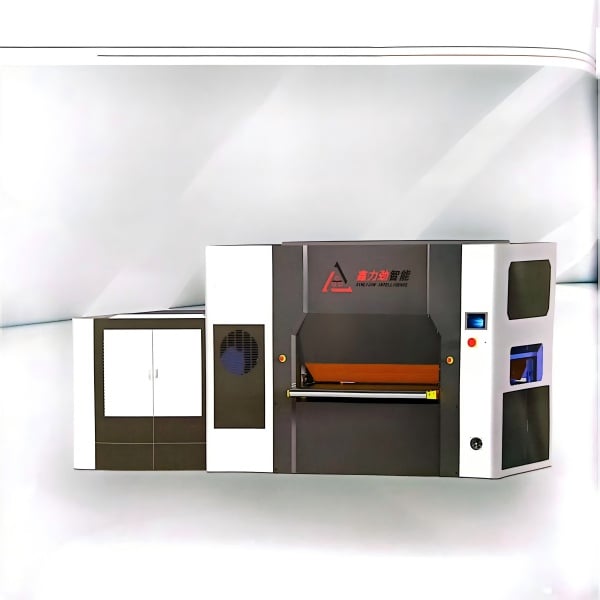
Manufacturing industries worldwide rely on precision metal processing equipment to achieve consistent product quality and operational efficiency. A leveling machine represents one of the most critical components in modern metalworking facilities, ensuring that metal strips, sheets, and coils maintain perfect flatness throughout various production processes. These sophisticated machines have evolved significantly over the decades, incorporating advanced hydraulic systems, computerized controls, and precision engineering to meet the demanding requirements of contemporary manufacturing operations.
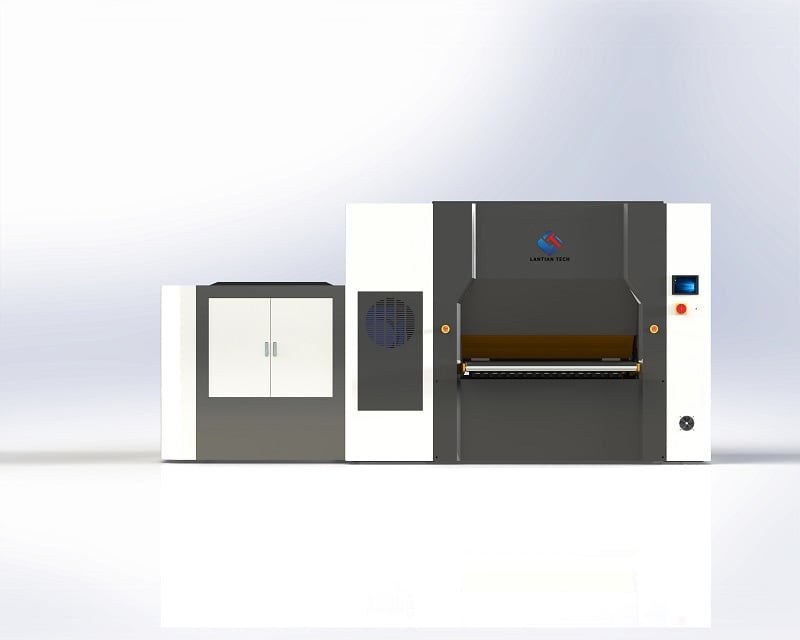
Understanding the Fundamental Principles of Leveling Machine Operation
Basic Working Mechanism and Core Components
The fundamental operation of a leveling machine centers on the principle of controlled plastic deformation applied to metal materials. This process involves passing metal strips or sheets through a series of precisely positioned work rolls that apply alternating bending forces. The material undergoes repeated bending in opposite directions, which effectively eliminates internal stresses and corrects surface irregularities that may have developed during previous manufacturing stages such as rolling, slitting, or coiling operations.
Modern leveling machine designs incorporate multiple work rolls arranged in an alternating upper and lower configuration. These rolls are typically made from high-grade steel or specialized alloys to withstand the tremendous forces generated during the leveling process. The spacing between rolls and their penetration depth can be precisely adjusted to accommodate different material thicknesses, hardness levels, and flatness requirements. This adjustability ensures optimal performance across a wide range of metal processing applications.
Hydraulic System Integration and Control Mechanisms
Contemporary leveling machine systems utilize sophisticated hydraulic control mechanisms to achieve precise roll positioning and pressure application. The hydraulic system enables operators to make real-time adjustments to roll penetration depths, ensuring consistent material processing regardless of variations in incoming material properties. This level of control is particularly crucial when processing materials with varying thickness tolerances or different metallurgical characteristics within the same production run.
The hydraulic components also provide the necessary force multiplication required to process high-strength materials effectively. Advanced servo-hydraulic systems can generate and maintain precise pressures while allowing for rapid adjustments based on feedback from integrated monitoring systems. This capability ensures that the leveling machine operates at optimal parameters throughout extended production cycles, maintaining consistent output quality while minimizing energy consumption and mechanical wear.
Advanced Technologies Shaping Leveling Machine Performance in 2026
Digital Control Systems and Automation Features
The latest generation of leveling machine technology incorporates comprehensive digital control systems that revolutionize operational efficiency and precision. These systems utilize advanced sensors and feedback mechanisms to continuously monitor material properties, roll positions, and processing forces in real-time. The integration of artificial intelligence algorithms enables predictive adjustments that compensate for material variations before they can affect final product quality, representing a significant advancement over traditional manual adjustment methods.
Automated setup procedures have become standard features in modern leveling machine installations, allowing operators to quickly configure the equipment for different material specifications through pre-programmed settings. These systems store detailed processing parameters for various material types and thicknesses, enabling rapid changeovers between production runs while maintaining consistent quality standards. The digitization of these processes also facilitates comprehensive data collection and analysis, supporting continuous improvement initiatives and predictive maintenance programs.
Material Handling and Processing Innovations
Recent innovations in leveling machine design have focused extensively on improving material handling capabilities and expanding processing versatility. Advanced entry and exit threading systems now accommodate a broader range of material widths and thicknesses while minimizing setup times and material waste. These improvements are particularly significant for manufacturers processing multiple product lines or requiring frequent material changeovers throughout their production schedules.
The development of specialized roll configurations has enhanced the ability of modern leveling machine systems to process challenging materials such as high-strength steels, aluminum alloys, and composite materials. These configurations optimize the bending sequence and force distribution to achieve superior flatness results while minimizing the risk of material damage or surface marking. Additionally, improved roll surface treatments and coatings extend operational life while maintaining consistent processing quality over extended production periods.
Industrial Applications and Operational Benefits
Automotive Industry Implementation
The automotive manufacturing sector represents one of the most demanding applications for leveling machine technology, where precision and consistency directly impact vehicle safety and performance characteristics. Modern automotive components require extremely tight flatness tolerances to ensure proper fit and function in complex assemblies. Leveling machine systems in automotive applications must process a diverse range of materials including various steel grades, aluminum alloys, and advanced high-strength materials used in contemporary vehicle construction.
Automotive manufacturers have increasingly adopted integrated leveling machine solutions that combine material processing with quality inspection systems. These integrated approaches enable real-time quality monitoring and automatic adjustments to maintain specifications throughout production runs. The ability to process materials with consistent flatness characteristics directly impacts downstream operations such as stamping, welding, and assembly processes, where material irregularities can cause significant quality issues and production delays.
Construction and Infrastructure Applications
Construction industry applications for leveling machine technology focus primarily on processing structural steel components and architectural materials that require precise dimensional accuracy. The construction sector demands materials that maintain consistent flatness characteristics under various loading conditions and environmental exposures. Leveling machine processing ensures that structural components meet engineering specifications while providing the dimensional stability necessary for efficient installation and long-term performance.
Infrastructure projects increasingly specify materials processed through advanced leveling machine systems due to the superior flatness characteristics and reduced internal stress levels these processes achieve. This specification trend reflects growing recognition of the relationship between material processing quality and long-term structural performance, particularly in applications where dimensional stability under load is critical to overall system integrity and safety.
Maintenance Requirements and Operational Optimization
Preventive Maintenance Strategies
Effective maintenance programs for leveling machine systems require comprehensive understanding of the mechanical, hydraulic, and electronic components that contribute to overall system performance. Regular inspection schedules must address roll wear patterns, hydraulic system integrity, and control system calibration to ensure consistent processing quality and prevent unexpected downtime. Modern leveling machine designs incorporate numerous monitoring points and diagnostic capabilities that facilitate proactive maintenance approaches.
Roll maintenance represents a particularly critical aspect of leveling machine operation, as roll condition directly affects processing quality and system performance. Advanced surface treatment technologies and precision grinding capabilities enable extended roll life while maintaining consistent processing characteristics. Systematic roll rotation and reconditioning programs help maximize equipment utilization while ensuring optimal processing results throughout the operational lifecycle.
Performance Monitoring and Quality Control
Contemporary leveling machine installations incorporate sophisticated monitoring systems that track key performance indicators and processing parameters continuously. These systems generate comprehensive data sets that enable detailed analysis of processing trends, material characteristics, and equipment performance over time. The information collected through these monitoring systems supports both immediate process optimization and long-term strategic planning for equipment upgrades and capacity expansion.
Quality control integration within leveling machine systems has evolved to include real-time measurement and feedback capabilities that ensure processed materials meet specifications before leaving the equipment. These integrated quality systems reduce waste, minimize rework requirements, and provide immediate feedback for process adjustments when material or equipment conditions change. The combination of continuous monitoring and automated adjustment capabilities represents a significant advancement in leveling machine technology that directly benefits manufacturing efficiency and product quality.
Economic Impact and Return on Investment Considerations
Cost-Benefit Analysis for Manufacturing Operations
The economic justification for leveling machine investment extends beyond initial equipment costs to encompass comprehensive operational benefits including improved material yield, reduced waste, and enhanced product quality. Manufacturing operations that implement advanced leveling machine technology typically experience significant improvements in downstream processing efficiency due to the superior material characteristics achieved through precision leveling processes. These improvements often translate into measurable reductions in scrap rates, rework requirements, and quality-related customer complaints.
Energy efficiency considerations have become increasingly important in leveling machine selection and operation, particularly as manufacturers seek to reduce operational costs and environmental impact. Modern leveling machine designs incorporate energy recovery systems, optimized hydraulic circuits, and intelligent control algorithms that minimize power consumption while maintaining processing effectiveness. These efficiency improvements contribute substantially to the overall return on investment calculation for leveling machine installations.
Long-term Operational Advantages
The long-term operational advantages of modern leveling machine technology extend well beyond immediate processing benefits to include enhanced flexibility, reduced maintenance requirements, and improved process reliability. Advanced leveling machine systems provide manufacturers with the capability to process a broader range of materials and specifications without requiring significant reconfiguration or additional equipment investments. This flexibility becomes increasingly valuable as market demands evolve and product requirements become more diverse.
Reliability improvements in contemporary leveling machine designs have resulted in significantly higher uptime percentages and more predictable maintenance schedules compared to older equipment generations. These reliability improvements directly impact production planning, inventory management, and customer delivery commitments, providing operational benefits that extend throughout the entire manufacturing organization. The combination of improved reliability and enhanced processing capabilities positions modern leveling machine technology as a strategic investment in manufacturing competitiveness.
FAQ
What materials can be processed effectively with a leveling machine
Modern leveling machine systems are capable of processing a wide variety of metallic materials including carbon steels, stainless steels, aluminum alloys, copper alloys, and specialized high-strength materials. The key factors determining processing capability include material thickness, yield strength, and surface finish requirements. Most contemporary leveling machine designs can accommodate material thicknesses ranging from very thin foils to heavy plate materials, with specific capabilities varying based on equipment configuration and design specifications.
How does leveling machine technology compare to alternative flattening methods
Leveling machine technology offers several distinct advantages over alternative flattening methods such as roller leveling, stretcher leveling, or tension leveling. The multi-roll configuration used in modern leveling machine systems provides more uniform stress distribution and better control over the plastic deformation process. This results in superior flatness characteristics, reduced edge wave formation, and minimal residual stress levels compared to other flattening approaches. Additionally, leveling machine processing typically requires less material handling and produces more consistent results across varying material properties.
What factors should be considered when selecting a leveling machine for specific applications
Key selection criteria for leveling machine systems include material specifications, production volume requirements, available floor space, integration requirements with existing equipment, and long-term flexibility needs. Material characteristics such as thickness range, strength levels, and surface finish requirements directly influence equipment configuration and capability requirements. Production volume considerations affect equipment sizing, automation levels, and throughput specifications. Integration requirements with upstream and downstream equipment may influence material handling features, control system compatibility, and overall system design approach.
How has leveling machine technology evolved to address modern manufacturing challenges
Contemporary leveling machine technology has evolved significantly to address modern manufacturing challenges including increased material diversity, tighter quality tolerances, environmental regulations, and operational efficiency requirements. Advanced control systems now provide real-time monitoring and adjustment capabilities that were not available in previous equipment generations. Energy efficiency improvements reduce operational costs while environmental compliance features address regulatory requirements. Automation enhancements reduce labor requirements while improving process consistency and reducing the potential for operator-related variations in processing quality.
Table of Contents
- Understanding the Fundamental Principles of Leveling Machine Operation
- Advanced Technologies Shaping Leveling Machine Performance in 2026
- Industrial Applications and Operational Benefits
- Maintenance Requirements and Operational Optimization
- Economic Impact and Return on Investment Considerations
-
FAQ
- What materials can be processed effectively with a leveling machine
- How does leveling machine technology compare to alternative flattening methods
- What factors should be considered when selecting a leveling machine for specific applications
- How has leveling machine technology evolved to address modern manufacturing challenges