
 EN
EN
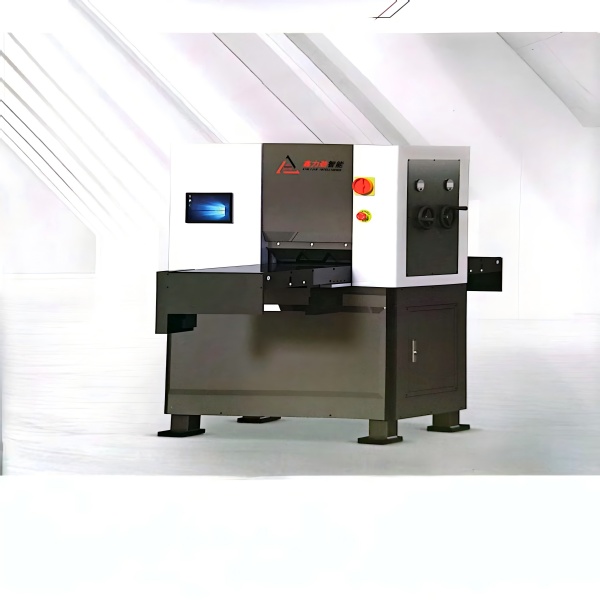
Steel processing operations require precision equipment to achieve the flat, uniform surfaces essential for high-quality manufacturing. A leveling machine serves as a critical component in steel production lines, correcting material deformation and ensuring consistent thickness across steel sheets, plates, and strips. Understanding the selection criteria for these machines can significantly impact production efficiency, product quality, and operational costs in industrial applications.
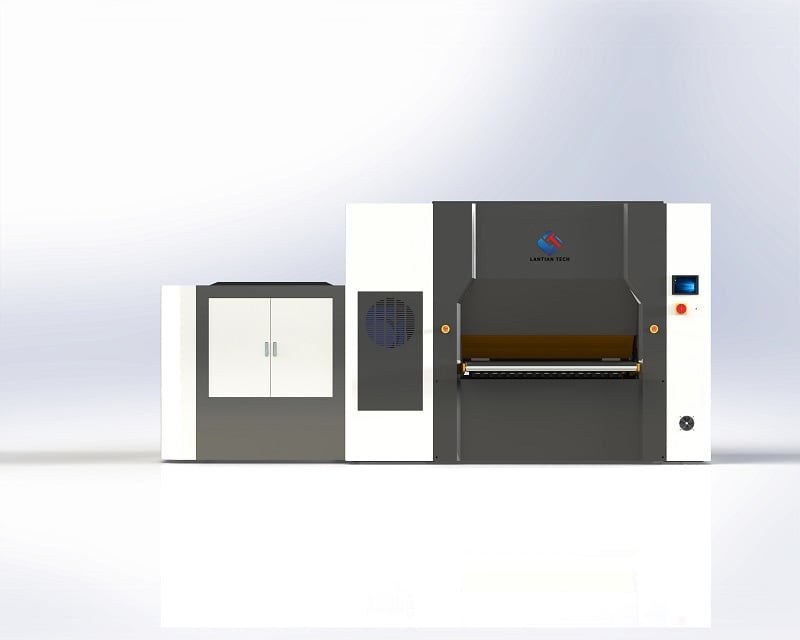
The steel manufacturing industry demands equipment that can handle various material specifications while maintaining consistent performance standards. Modern steel processing facilities rely on advanced machinery to meet stringent quality requirements, where even minor surface irregularities can compromise the final product's structural integrity and aesthetic appeal.
Understanding Steel Leveling Machine Technology
Mechanical Principles and Operation
The fundamental operation of a leveling machine involves passing steel material through a series of precisely positioned rollers that apply controlled pressure to eliminate deformation. These machines utilize alternating bending forces to counteract existing stress patterns within the steel, effectively redistributing internal tensions that cause warping, coiling, or uneven thickness distribution.
Advanced leveling machine systems incorporate hydraulic or pneumatic pressure controls that allow operators to adjust roller positioning with exceptional precision. This adjustability enables the equipment to accommodate different steel grades, thicknesses, and hardness levels while maintaining optimal processing parameters throughout production runs.
The roller configuration plays a crucial role in determining the machine's effectiveness for specific applications. Multi-roller designs provide superior flattening capabilities for thicker steel plates, while precision roller systems excel in processing thin sheets where minimal material handling is essential to prevent damage or additional deformation.
Types of Leveling Technologies
Hydraulic leveling systems represent the most advanced technology available in modern steel processing equipment. These systems offer programmable control over roller pressure, positioning, and speed, enabling operators to create custom processing profiles for different material specifications and quality requirements.
Mechanical leveling machines provide reliable performance for standard applications where consistent material properties allow for fixed roller configurations. These systems typically offer lower initial investment costs while delivering dependable results for established production processes with minimal material variation.
Combination systems integrate both hydraulic and mechanical components to provide flexibility while controlling operational costs. This approach allows manufacturers to optimize their equipment investment based on specific production requirements and future expansion plans.
Material Specifications and Machine Selection
Steel Grade Compatibility
Different steel grades require specific processing parameters to achieve optimal leveling results without compromising material properties. High-strength steels demand greater roller pressure and more precise control systems compared to standard carbon steels, making equipment selection critical for maintaining production quality standards.
Stainless steel processing presents unique challenges due to the material's work-hardening characteristics and corrosion resistance requirements. A specialized leveling machine designed for stainless steel applications must incorporate features that prevent contamination while providing the necessary force to achieve proper flattening without surface damage.
Alloy steels often exhibit varying hardness levels and stress patterns that require adaptive processing capabilities. Equipment selection should consider the range of alloy compositions expected in production to ensure consistent performance across all material variants.
Thickness and Width Considerations
Material thickness directly impacts the roller configuration and pressure requirements for effective leveling operations. Thin sheets require gentle handling with closely spaced rollers to prevent buckling or tearing, while thick plates demand substantial force application through robust roller systems designed to penetrate deep into the material structure.
Width capacity determines the maximum material dimensions that can be processed efficiently. Selecting a leveling machine with appropriate width capabilities ensures optimal utilization while avoiding the need for multiple passes or material sectioning that could compromise quality or increase processing time.
The relationship between thickness and width creates specific stress patterns that must be addressed through proper roller design and pressure distribution. Equipment manufacturers typically provide detailed specifications outlining the optimal material dimension ranges for each machine configuration.
Production Volume and Efficiency Requirements
Throughput Calculations
Production volume requirements directly influence the selection of appropriate leveling machine specifications, including processing speed, material handling capabilities, and automation integration. High-volume operations benefit from continuous-feed systems that minimize material handling time while maintaining consistent quality standards throughout extended production runs.
Processing speed capabilities must align with upstream and downstream equipment to prevent bottlenecks in the production line. A leveling machine that operates too slowly can limit overall facility throughput, while excessive speed may compromise quality or require additional quality control measures.
Batch processing requirements may favor different machine configurations compared to continuous operations. Understanding the specific production patterns helps identify the most suitable equipment design for maximizing operational efficiency while minimizing setup and changeover times.
Automation and Integration
Modern manufacturing environments increasingly rely on automated systems to maintain consistent quality while reducing labor requirements. A leveling machine equipped with programmable controls, material tracking systems, and quality monitoring capabilities can significantly improve production efficiency and reduce human error.
Integration with existing plant control systems enables centralized monitoring and coordination with other production equipment. This connectivity allows for real-time adjustments based on material properties, quality feedback, and production scheduling requirements.
Advanced automation features such as automatic material recognition, adaptive pressure control, and predictive maintenance capabilities represent significant advantages for facilities focused on optimizing operational efficiency and minimizing unplanned downtime.
Quality Standards and Precision Requirements
Flatness Specifications
Industrial applications often specify strict flatness tolerances that directly impact the selection of appropriate leveling machine technology. Precision applications such as automotive panels or aerospace components may require flatness deviations measured in micrometers, demanding highly sophisticated equipment with exceptional control capabilities.
Surface finish requirements can influence the roller design and material selection for the leveling machine components that contact the steel during processing. Maintaining surface quality while achieving the desired flatness requires careful balance between processing force and material preservation.
Consistency across the entire material width and length requires uniform pressure distribution and precise roller alignment. Equipment with advanced calibration systems and real-time monitoring capabilities provides superior results for applications with demanding quality standards.
Inspection and Quality Control
Integrated quality control systems enable continuous monitoring of leveling machine performance and material quality throughout the processing operation. These systems can detect deviations from specified parameters and automatically adjust processing conditions to maintain consistent results.
Non-destructive testing capabilities integrated into the leveling machine design allow for real-time quality assessment without interrupting production flow. This approach reduces waste and improves overall production efficiency by identifying and correcting quality issues immediately.
Documentation and traceability features become increasingly important for industries with strict quality management requirements. A leveling machine equipped with comprehensive data logging capabilities supports compliance with industry standards and customer quality specifications.
Economic Factors and Return on Investment
Initial Investment Analysis
The capital cost of a leveling machine represents a significant investment that must be evaluated against expected production benefits and operational improvements. Comparing equipment options requires consideration of not only the initial purchase price but also installation, training, and integration costs.
Financing options and equipment leasing arrangements can impact the effective cost of ownership while providing access to advanced technology that might otherwise exceed available capital budgets. Understanding these options helps optimize the equipment acquisition strategy for specific business circumstances.
Technology advancement considerations should factor into the investment decision, as newer equipment may offer improved efficiency, reduced maintenance requirements, and enhanced capabilities that justify higher initial costs through long-term operational benefits.
Operating Cost Optimization
Energy consumption represents a significant ongoing cost factor for industrial leveling machine operations. Equipment with energy-efficient designs, variable speed controls, and optimized hydraulic systems can substantially reduce operating costs over the equipment lifecycle.
Maintenance requirements vary significantly between different machine designs and manufacturers. Selecting equipment with proven reliability, readily available replacement parts, and comprehensive service support helps minimize unplanned downtime and maintenance costs.
Labor efficiency improvements achieved through automation and user-friendly controls can offset higher equipment costs while improving overall production capability. Evaluating the total cost of ownership requires consideration of all operational factors beyond the initial purchase price.
Installation and Maintenance Considerations
Facility Requirements
Installing a leveling machine requires careful evaluation of existing facility infrastructure, including floor loading capacity, electrical power availability, and integration with material handling systems. These factors can significantly impact installation costs and timeline requirements.
Space requirements for the equipment itself, as well as material storage and handling areas, must be considered during the planning phase. Adequate clearance for maintenance access and future equipment modifications ensures long-term operational flexibility.
Environmental factors such as temperature control, humidity management, and contamination prevention may require additional facility modifications to ensure optimal equipment performance and longevity.
Service and Support
Manufacturer support capabilities, including technical expertise, spare parts availability, and service response times, significantly impact the long-term success of leveling machine operations. Evaluating these factors during equipment selection helps ensure reliable production support.
Training programs for operators and maintenance personnel are essential for maximizing equipment performance and minimizing operational issues. Comprehensive training reduces the risk of equipment damage while improving overall production efficiency.
Preventive maintenance programs designed specifically for each leveling machine configuration help extend equipment life while reducing unexpected failures that can disrupt production schedules and increase operating costs.
FAQ
What factors determine the required roller configuration for a specific steel application
The roller configuration depends primarily on material thickness, steel grade hardness, and desired flatness specifications. Thicker materials require fewer, larger rollers with greater pressure capacity, while thin sheets need more rollers with lighter pressure to prevent damage. The steel grade's yield strength and work-hardening characteristics also influence the optimal roller spacing and pressure distribution patterns for effective leveling.
How does material width affect leveling machine selection and performance
Material width determines the required machine capacity and influences the uniformity of pressure distribution across the steel surface. Wider materials may experience edge effects or require specialized roller designs to maintain consistent flattening across the entire width. Selecting a leveling machine with appropriate width capacity ensures optimal processing without the need for multiple passes or material sectioning that could compromise quality.
What maintenance practices are essential for optimal leveling machine performance
Regular roller alignment checks, hydraulic system maintenance, and wear pattern monitoring are critical for maintaining consistent performance. Proper lubrication schedules, calibration verification, and replacement of worn components prevent quality deterioration and equipment damage. Implementing predictive maintenance programs using vibration analysis and performance monitoring helps identify potential issues before they impact production.
How do automation features impact the selection of industrial leveling equipment
Automation capabilities significantly affect both initial investment costs and long-term operational benefits. Advanced control systems enable consistent quality, reduce operator skill requirements, and improve production efficiency through optimized processing parameters. The level of automation should align with production volume, quality requirements, and available technical expertise to maximize return on investment while meeting operational objectives.
Table of Contents
- Understanding Steel Leveling Machine Technology
- Material Specifications and Machine Selection
- Production Volume and Efficiency Requirements
- Quality Standards and Precision Requirements
- Economic Factors and Return on Investment
- Installation and Maintenance Considerations
-
FAQ
- What factors determine the required roller configuration for a specific steel application
- How does material width affect leveling machine selection and performance
- What maintenance practices are essential for optimal leveling machine performance
- How do automation features impact the selection of industrial leveling equipment