
 EN
EN
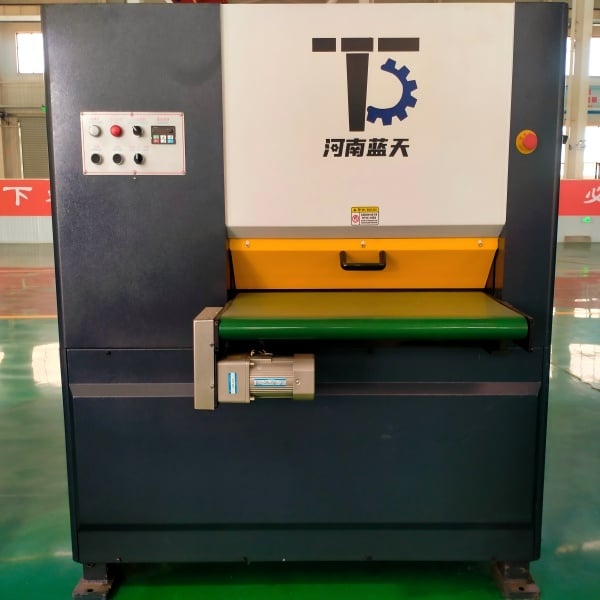
The manufacturing industry continues to evolve with precision-driven technologies, yet certain traditional methods remain indispensable for achieving optimal results. A manual straightening machine series represents a fundamental category of metalworking equipment designed to correct deformations, bends, and irregularities in various materials through operator-controlled mechanical processes. These specialized machines combine time-tested engineering principles with modern precision components to deliver consistent straightening performance across diverse industrial applications. Understanding the capabilities and advantages of a manual straightening machine series becomes increasingly important as manufacturers seek reliable, cost-effective solutions for material preparation and finishing operations.
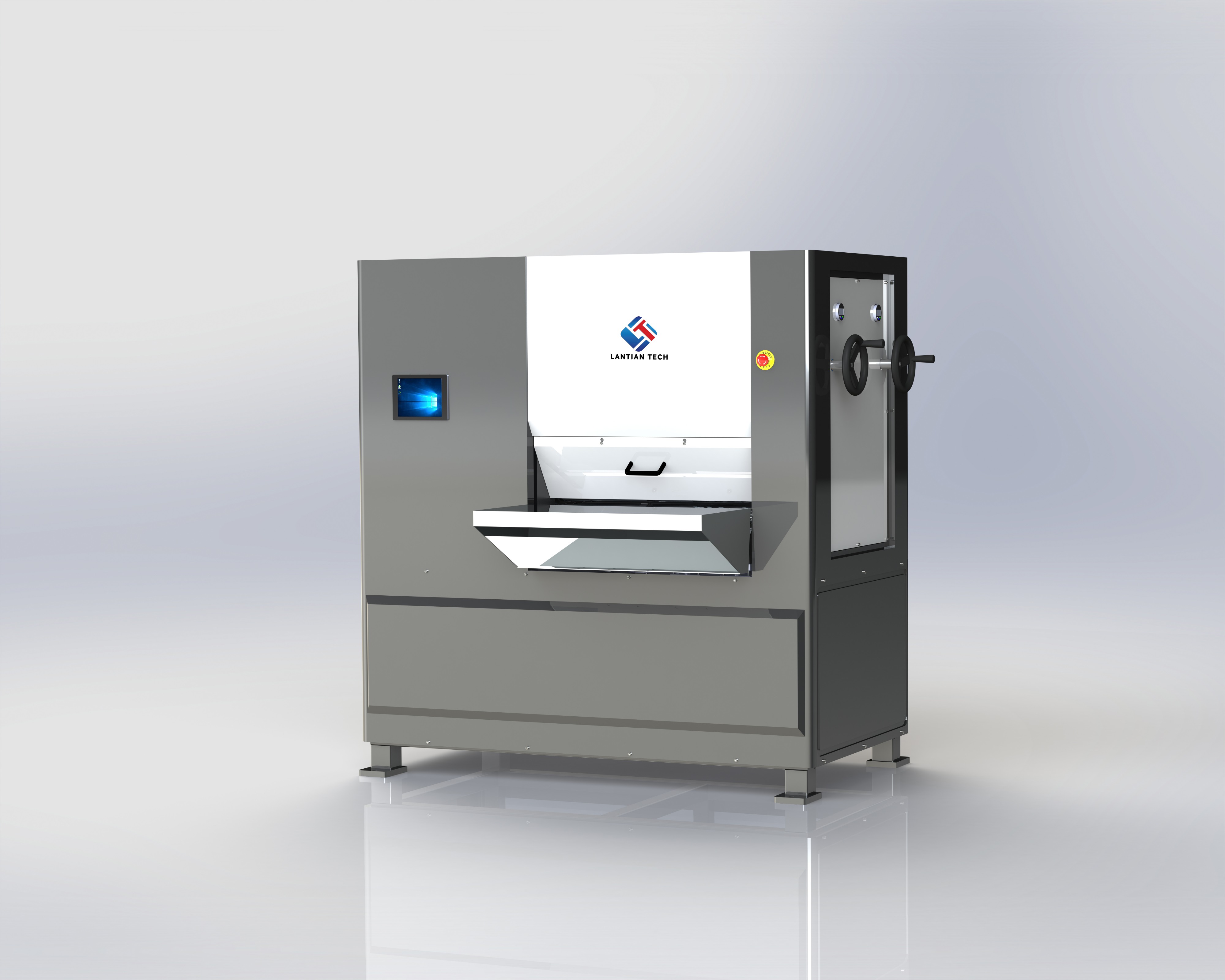
Core Components and Mechanical Design
Frame Construction and Structural Integrity
The foundation of any manual straightening machine series lies in its robust frame construction, typically manufactured from high-grade steel or cast iron to withstand substantial operational forces. These frames undergo precision machining and stress-relief treatments to ensure dimensional stability throughout extended service periods. The structural design incorporates reinforcement ribs and strategic mounting points that distribute applied loads evenly across the machine base. Modern manual straightening machine series feature modular frame designs that facilitate maintenance access while maintaining rigidity under working conditions.
Advanced engineering techniques optimize the frame geometry to minimize deflection during straightening operations, ensuring consistent results regardless of material thickness or hardness. The integration of precision-ground guide surfaces within the frame assembly provides accurate material positioning throughout the straightening process. These structural elements work collectively to establish the mechanical foundation necessary for reliable performance in demanding industrial environments.
Roller Systems and Pressure Mechanisms
The roller configuration represents a critical aspect of manual straightening machine series design, with precisely engineered roller assemblies that apply controlled pressure to deformed materials. These rollers undergo specialized heat treatment processes to achieve optimal hardness characteristics while maintaining surface smoothness essential for quality straightening results. The spacing and diameter relationships between rollers are carefully calculated to accommodate various material thicknesses without compromising straightening effectiveness.
Pressure adjustment mechanisms allow operators to fine-tune the straightening force based on material properties and deformation severity. These systems typically incorporate graduated scales and positive locking mechanisms to ensure repeatable settings for similar workpieces. The roller bearing systems utilize premium-grade components selected for their load capacity and longevity under continuous operation conditions.
Operational Principles and Straightening Techniques
Material Flow and Guidance Systems
Effective material handling represents a fundamental aspect of manual straightening machine series operation, requiring sophisticated guidance systems that maintain proper alignment throughout the straightening process. These systems incorporate adjustable guides, entry and exit tables, and material support mechanisms designed to accommodate various material lengths and cross-sectional profiles. The guidance components feature precision-machined surfaces with appropriate clearances to minimize friction while ensuring accurate material positioning.
Operator control over material feed rates allows for optimal straightening results based on material characteristics and deformation patterns. The manual operation provides tactile feedback that experienced operators use to assess straightening progress and make real-time adjustments. This human element often proves superior to automated systems when dealing with irregular deformations or materials with varying properties along their length.
Force Application and Control Methods
The straightening process in a manual straightening machine series relies on controlled plastic deformation through strategic force application across the material cross-section. Operators utilize mechanical advantage systems, typically incorporating leverage mechanisms or screw-driven actuators, to generate the substantial forces required for effective straightening. These systems provide precise control over force magnitude and application rate, allowing operators to work within the material's elastic and plastic deformation ranges.
Understanding the relationship between applied force, material properties, and resulting deformation enables skilled operators to achieve consistent straightening results while minimizing material stress concentrations. The manual control aspect allows for immediate response to changing conditions or unexpected material behavior during the straightening process. This adaptability proves particularly valuable when working with materials of unknown or variable properties.
Applications Across Industrial Sectors
Manufacturing and Fabrication Industries
The versatility of a manual straightening machine series makes it indispensable across numerous manufacturing sectors, from automotive component production to architectural metalwork. These machines excel in applications requiring precision straightening of bars, rods, tubes, and profiles used in subsequent manufacturing operations. The ability to process various material grades and dimensions without extensive setup changes provides significant operational flexibility for job shops and production facilities.
In fabrication environments, manual straightening machine series equipment proves essential for preparing raw materials that arrive with shipping-induced deformations or stress-related distortions. The straightening process ensures dimensional accuracy necessary for downstream operations such as machining, welding, or assembly. This preparation step often determines the quality and precision achievable in finished products, making straightening machine selection a critical decision for manufacturing operations.
Maintenance and Repair Operations
Maintenance facilities across various industries rely on manual straightening machine series equipment for restoring damaged components to serviceable condition. These applications often involve complex deformation patterns or materials with unknown histories, requiring the operator skill and adaptability that manual systems provide. The ability to make incremental adjustments and assess progress throughout the straightening process proves invaluable when working with expensive or critical components.
Repair operations benefit from the cost-effectiveness of manual straightening machine series equipment, as these systems typically require lower capital investment compared to fully automated alternatives. The reduced complexity also translates to lower maintenance requirements and greater operational reliability in demanding service environments. These factors make manual straightening systems particularly attractive for facilities with limited automation experience or variable workload patterns.
Selection Criteria and Technical Specifications
Capacity and Performance Parameters
Selecting an appropriate manual straightening machine series requires careful evaluation of capacity requirements, including maximum material dimensions, force capabilities, and throughput expectations. The straightening capacity typically depends on material strength, cross-sectional area, and deformation severity, with machine specifications providing guidance for various material types and sizes. Understanding these relationships enables informed decision-making when matching machine capabilities to application requirements.
Performance parameters extend beyond basic capacity to include precision capabilities, repeatability, and operational efficiency factors. The best manual straightening machine series designs optimize these characteristics while maintaining the simplicity and reliability that make manual operation attractive. Consideration of future application requirements and potential capacity expansion needs helps ensure long-term system utility and return on investment.
Quality and Construction Standards
Quality construction standards significantly impact the long-term performance and reliability of manual straightening machine series equipment. Premium systems incorporate precision-machined components, high-quality bearing systems, and appropriate material selections for critical wear components. The attention to manufacturing details often distinguishes professional-grade equipment from lower-cost alternatives that may compromise performance or longevity.
Construction standards should align with industry requirements and operational environments, including considerations for safety features, operator ergonomics, and maintenance accessibility. The integration of modern safety systems with traditional manual operation provides enhanced operator protection without compromising the flexibility and control advantages of manual straightening processes. These quality factors ultimately determine system performance, reliability, and total cost of ownership over the equipment lifecycle.
Maintenance and Operational Best Practices
Preventive Maintenance Protocols
Implementing comprehensive maintenance protocols ensures optimal performance and longevity from manual straightening machine series equipment. Regular lubrication schedules for bearing systems, roller mechanisms, and adjustment components prevent premature wear and maintain smooth operation. The accessibility of manual systems typically simplifies maintenance procedures compared to complex automated equipment, allowing operators to perform routine maintenance tasks with basic tools and minimal downtime.
Inspection procedures should include regular assessment of roller condition, frame alignment, and pressure system calibration to identify potential issues before they affect straightening quality. The straightforward mechanical design of manual straightening machine series equipment facilitates troubleshooting and repair procedures, often allowing in-house maintenance personnel to handle most service requirements. This maintenance simplicity contributes to lower operating costs and improved system availability.
Operator Training and Safety Considerations
Effective operation of manual straightening machine series equipment requires proper operator training that covers both technical aspects and safety procedures. Operators must understand material behavior, force application principles, and quality assessment techniques to achieve consistent straightening results. The manual nature of these systems places greater responsibility on operator skill and judgment compared to automated alternatives.
Safety training should emphasize proper material handling techniques, personal protective equipment requirements, and emergency procedures specific to straightening operations. The mechanical forces involved in straightening processes can present significant hazards if safety protocols are not followed consistently. Regular refresher training and safety reviews help maintain awareness and prevent accidents in operational environments where manual straightening machine series equipment operates.
FAQ
What materials can be processed with a manual straightening machine series
Manual straightening machine series equipment can process a wide range of metallic materials including steel, aluminum, brass, copper, and various alloys in bar, rod, tube, and profile configurations. The key consideration is matching the machine's force capacity to the material's strength and cross-sectional area. Softer materials like aluminum require less force while maintaining precision, whereas high-strength steels demand greater capacity and careful force control to avoid material damage.
How does manual operation compare to automated straightening systems
Manual straightening machine series equipment provides superior adaptability for irregular deformations, unknown material properties, and variable production requirements. Operators can make real-time adjustments based on tactile feedback and visual assessment, often achieving better results with challenging materials. Automated systems excel in high-volume production of similar parts but lack the flexibility and problem-solving capability that manual operation provides for complex or unusual straightening tasks.
What maintenance requirements are typical for manual straightening machines
Regular maintenance for manual straightening machine series includes lubrication of bearing systems, roller inspection and replacement, pressure system calibration, and frame alignment verification. The mechanical simplicity of manual systems typically results in lower maintenance requirements compared to automated equipment. Most maintenance tasks can be performed by in-house personnel using standard tools, contributing to lower operating costs and improved system availability.
What factors determine the straightening capacity and effectiveness
Straightening capacity depends on material strength, cross-sectional dimensions, deformation severity, and machine force capability. Effectiveness is influenced by roller configuration, pressure distribution, operator skill, and proper setup procedures. The manual straightening machine series design must provide adequate force margins while maintaining precision control to achieve quality results across the intended application range without exceeding material limits or causing damage.