
 EN
EN
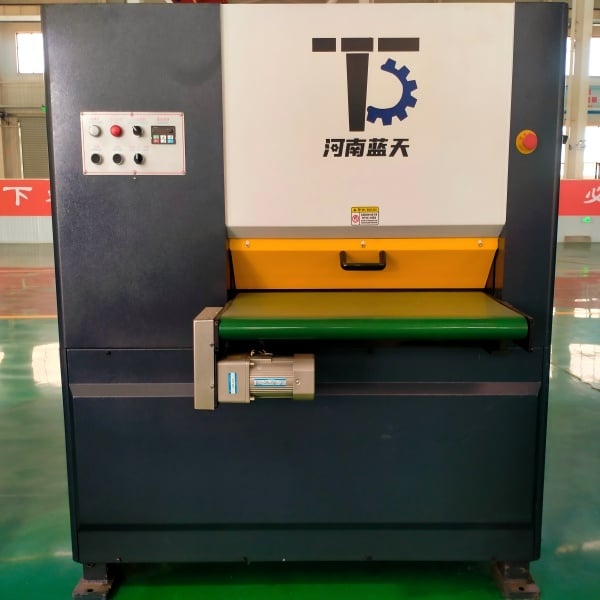
The manual straightening machine series represents a fundamental solution for metalworking operations that require precise material correction without the complexity of automated systems. These versatile machines are designed to address deformation issues in various metal components, wires, rods, and strips through mechanical straightening processes. Understanding how these systems operate provides valuable insights into their applications across manufacturing, automotive, aerospace, and construction industries where material integrity is paramount.
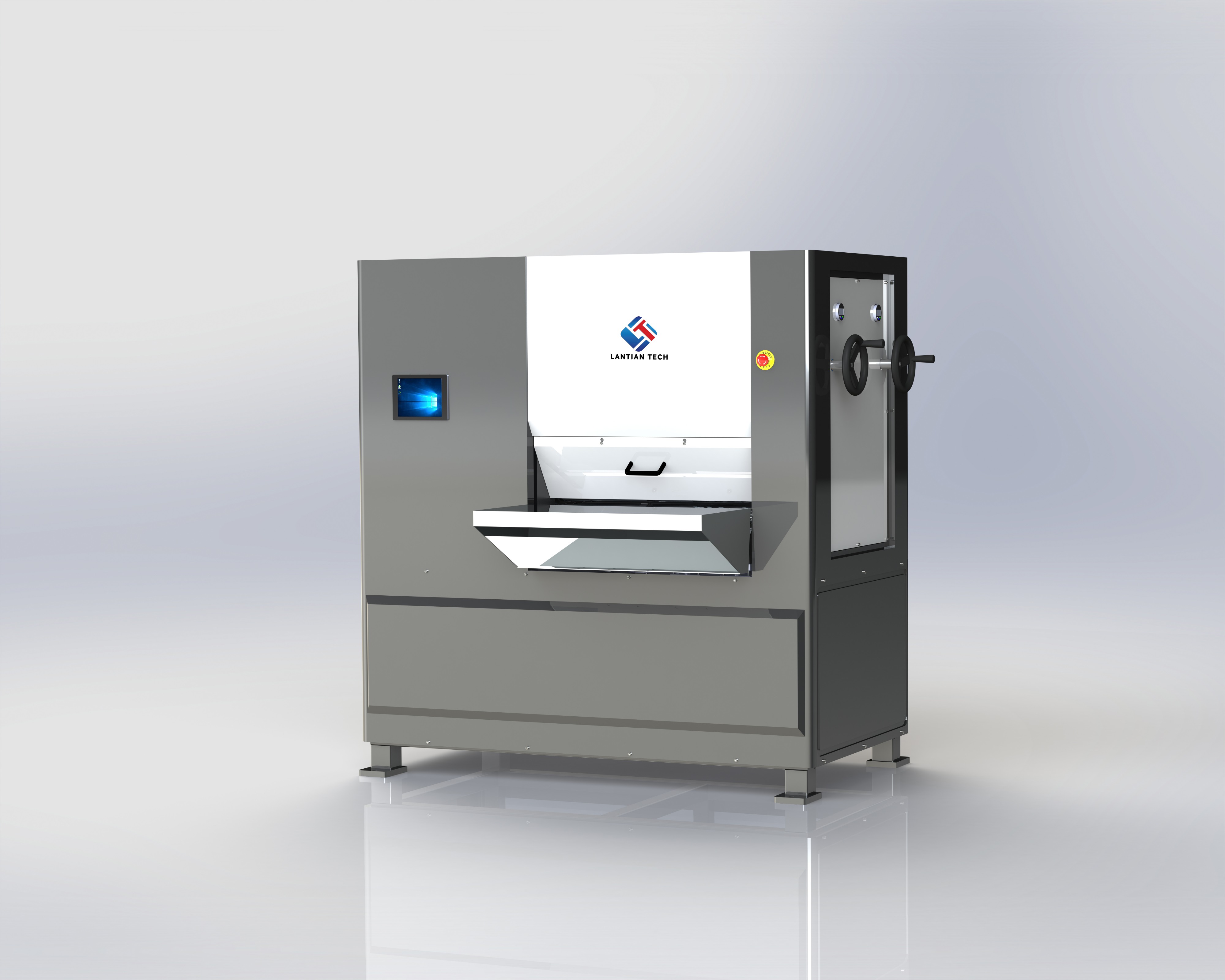
Fundamental Operating Principles
Core Mechanical Design
The manual straightening machine series operates on the principle of controlled deformation through strategic pressure application. The system utilizes a series of adjustable rollers or anvils positioned at precise angles to gradually eliminate bends, twists, and warping in metal materials. The operator manually controls the feeding process, allowing for careful monitoring of the straightening progress and immediate adjustments based on material response.
Each unit in the manual straightening machine series incorporates hardened steel components that withstand the repetitive stress of metal deformation. The roller configuration can be adjusted both horizontally and vertically to accommodate different material thicknesses and deformation patterns. This flexibility ensures that operators can achieve optimal results across a wide range of applications without requiring multiple specialized machines.
Force Distribution Mechanics
The effectiveness of any manual straightening machine series depends on its ability to distribute corrective forces evenly across the material surface. The machine achieves this through carefully calculated roller spacing and pressure distribution algorithms built into the mechanical design. When material passes through the system, each roller applies a specific amount of pressure that gradually overcomes the internal stresses causing the deformation.
The sequential application of corrective forces allows the material to undergo controlled plastic deformation without exceeding its elastic limit in unintended areas. This process requires precise calibration of roller positions and pressures, which operators can adjust manually based on material type, thickness, and the severity of the initial deformation. The gradual nature of this process prevents material damage while ensuring thorough straightening results.
Material Processing Capabilities
Supported Material Types
The manual straightening machine series demonstrates remarkable versatility in handling various metallic materials, from soft aluminum alloys to high-strength steel grades. Each material type requires specific handling parameters that operators can adjust through manual controls. The system effectively processes round bars, square rods, flat strips, angle irons, and even complex profile shapes depending on the specific model configuration.
Different materials exhibit varying response characteristics during the straightening process. Aluminum and copper require gentler pressure application due to their softer nature, while high-carbon steels demand more aggressive straightening parameters. The manual straightening machine series accommodates these variations through adjustable roller configurations and operator-controlled feed rates that allow for material-specific optimization.
Dimensional Range and Tolerances
Each model in the manual straightening machine series is designed to handle specific dimensional ranges while maintaining tight tolerance requirements. Typical systems can process materials ranging from small wire diameters of 1-2mm up to substantial rods and bars measuring 50mm or more in diameter. The achievable straightness tolerances often reach impressive levels, with many systems capable of achieving deviations of less than 0.1mm per meter of material length.
The precision capabilities of these machines make them suitable for applications where dimensional accuracy is critical. Industries such as precision manufacturing, medical device production, and aerospace component fabrication rely on the consistent performance of manual straightening machine series to meet stringent quality requirements. The operator's ability to make real-time adjustments ensures that these tolerance requirements are maintained throughout the production process.
Operational Workflow and Setup
Initial Configuration Process
Setting up a manual straightening machine series for operation requires careful attention to material specifications and desired outcomes. The process begins with measuring the material dimensions and assessing the type and severity of deformation present. Operators then adjust the roller positions, typically starting with a wider gap than the material thickness and gradually reducing the spacing to achieve the desired straightening effect.
The configuration process also involves selecting appropriate roller types based on material hardness and surface finish requirements. Smooth rollers are preferred for materials requiring pristine surface finishes, while grooved or textured rollers may be necessary for materials that tend to slip during processing. The manual straightening machine series typically provides multiple roller options to accommodate these varying requirements.
Step-by-Step Operation Procedure
The operational procedure for any manual straightening machine series follows a systematic approach that ensures consistent results. The process begins with material preparation, including cleaning and inspection to identify problem areas. The operator then feeds the material through the machine at a controlled rate, monitoring the straightening progress and making adjustments as necessary. This hands-on approach allows for immediate corrections and ensures optimal results.
During operation, experienced operators develop a feel for the material behavior and can anticipate the required adjustments before deformation issues become apparent. This skill development is one of the key advantages of manual straightening machine series over fully automated systems, as it allows for nuanced adjustments that automated systems might miss. The operator can vary feed rates, adjust pressures, and modify roller positions in real-time to achieve superior results.
Maintenance and Optimization
Preventive Maintenance Requirements
Maintaining optimal performance in any manual straightening machine series requires adherence to regular maintenance schedules and procedures. Key maintenance tasks include roller inspection and replacement, lubrication of moving components, and calibration verification. The mechanical nature of these systems means that wear is inevitable, but proper maintenance can significantly extend operational life and maintain accuracy standards.
Roller condition is particularly critical to the performance of manual straightening machine series. Worn or damaged rollers can introduce new deformations rather than correcting existing ones. Regular inspection should focus on roller surface condition, bearing integrity, and alignment accuracy. Additionally, the adjustment mechanisms require periodic calibration to ensure that operator inputs translate accurately to machine positioning.
Performance Optimization Strategies
Optimizing the performance of manual straightening machine series involves both equipment adjustments and operator technique refinement. Environmental factors such as temperature and humidity can affect material behavior, requiring operational parameter adjustments. Operators should maintain detailed records of successful parameter combinations for different material types and deformation patterns to streamline future operations.
Advanced optimization techniques include implementing quality control checkpoints throughout the straightening process and developing standardized procedures for common material types. Some facilities establish dedicated stations for specific applications within their manual straightening machine series workflow, allowing operators to become specialists in particular material types or deformation patterns. This specialization often leads to improved consistency and reduced processing times.
Industrial Applications and Benefits
Manufacturing Sector Applications
The manual straightening machine series finds extensive application across various manufacturing sectors where material straightness directly impacts product quality. In the construction industry, these machines ensure that reinforcing bars and structural components meet straightness specifications before installation. The automotive sector utilizes manual straightening machine series for processing suspension components, drive shafts, and various structural elements that require precise geometric tolerances.
Electronics manufacturing represents another significant application area where the precision capabilities of manual straightening machine series prove invaluable. Lead frames, connector pins, and heat dissipation components all benefit from the careful straightening processes these machines provide. The ability to process small, delicate components without damage makes these systems particularly valuable in high-precision manufacturing environments.
Economic and Quality Advantages
Implementing manual straightening machine series in manufacturing operations delivers significant economic benefits through material salvage and quality improvement. Rather than discarding deformed materials, manufacturers can restore them to specification, reducing waste and material costs. The precision achievable with these systems often eliminates the need for secondary operations, streamlining production workflows and reducing overall processing costs.
Quality advantages extend beyond simple dimensional correction to include improved material properties in some applications. The controlled deformation process can actually enhance certain material characteristics, such as grain structure alignment in some alloys. Additionally, the consistent results achievable with manual straightening machine series contribute to overall product reliability and customer satisfaction, factors that translate directly to business value.
FAQ
What materials can be processed with manual straightening machine series?
Manual straightening machine series can process a wide variety of metallic materials including aluminum, steel, stainless steel, copper, brass, and various alloys. The machines handle different forms such as rods, bars, strips, wires, and profiles. Material thickness capabilities typically range from thin wires of 1-2mm diameter up to substantial bars of 50mm or more, depending on the specific model. The key requirement is that the material must have sufficient ductility to undergo the straightening process without fracturing.
How accurate are the straightening results achieved by these machines?
The accuracy of manual straightening machine series is typically very high, with most systems capable of achieving straightness tolerances of 0.1mm per meter or better. The actual accuracy depends on factors such as material type, initial deformation severity, machine condition, and operator skill level. Harder materials and more severe initial deformations may require multiple passes to achieve optimal results. The manual control aspect allows operators to fine-tune the process for maximum precision in critical applications.
What maintenance is required for optimal performance?
Regular maintenance for manual straightening machine series includes roller inspection and replacement when worn, lubrication of all moving components, and periodic calibration of adjustment mechanisms. Operators should check roller alignment and condition daily during use, while more comprehensive maintenance including bearing inspection and replacement should be performed according to manufacturer schedules. Proper maintenance not only ensures consistent performance but also extends machine life and prevents damage to processed materials.
Can manual straightening machine series handle hardened materials?
While manual straightening machine series can process some hardened materials, the effectiveness depends on the hardness level and material type. Moderately hardened materials can often be straightened successfully, though they may require higher pressures and potentially multiple passes. Extremely hard materials approaching maximum hardness levels may not be suitable for straightening as they lack the necessary ductility for the deformation process. In such cases, heat treatment to reduce hardness before straightening may be necessary, followed by re-hardening if required.