
 EN
EN
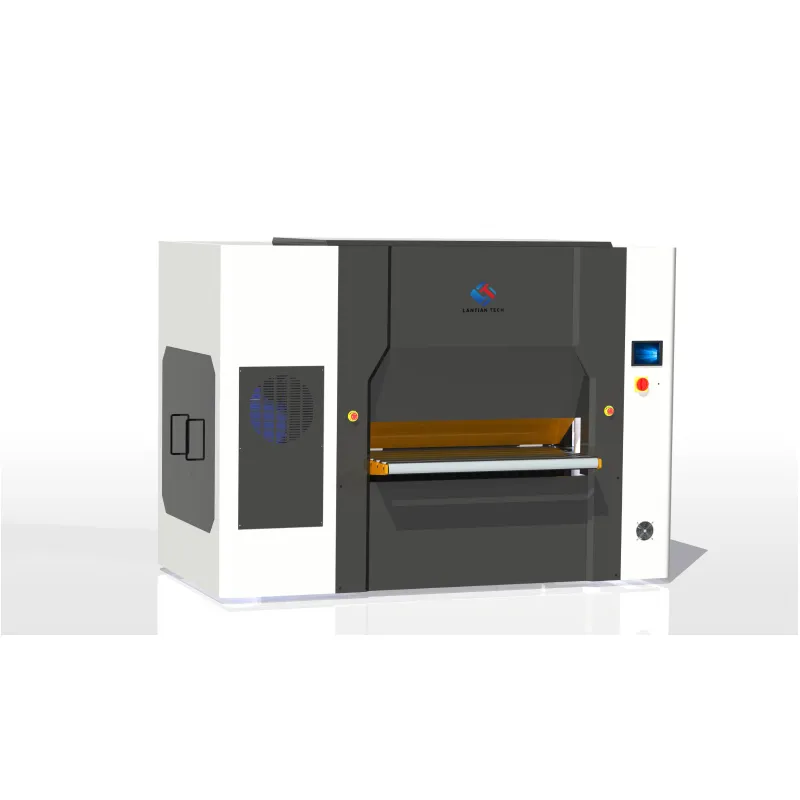
In heavy manufacturing environments where steel fabrication, shipbuilding, and structural component production demand exacting tolerances, the challenge of maintaining flatness across large steel plates becomes exponentially complex. Thick plate leveling machines address this critical challenge by applying controlled mechanical force through precision-engineered roller systems that systematically eliminate residual stress and geometric distortion. The question of how these sophisticated systems maintain dimensional accuracy across plates that can span several meters in width and exceed 100 millimeters in thickness involves a convergence of advanced mechanical design, real-time monitoring technology, and mathematical modeling of material behavior under load.
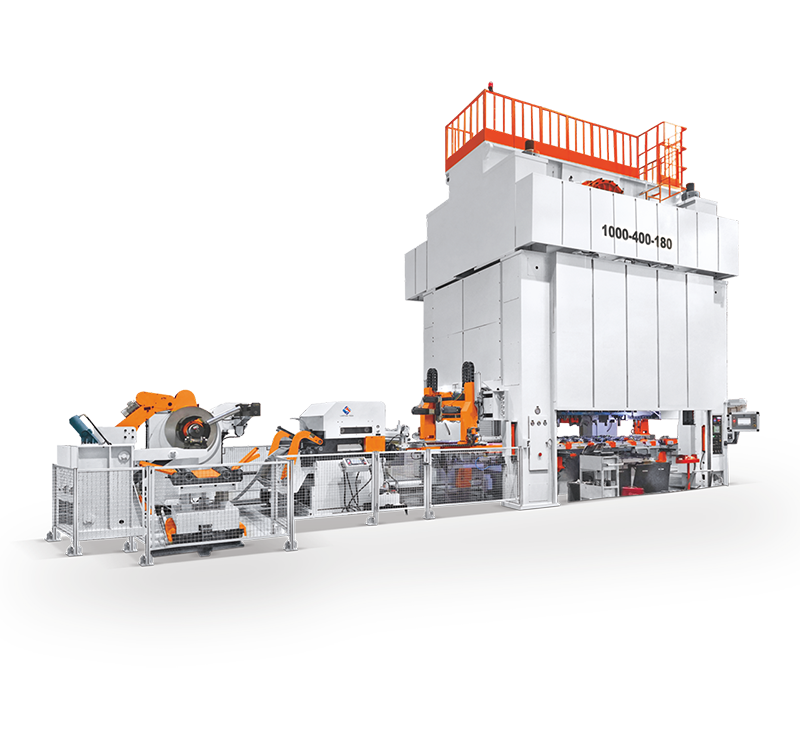
The precision maintenance mechanism in thick plate leveling machines relies fundamentally on the principle of controlled plastic deformation distributed uniformly across the plate surface through multiple engagement points. Unlike thinner gauge material where leveling can be achieved through fewer contact points, large thick plates require extensive roller arrays configured in specific geometric patterns to ensure that corrective bending forces penetrate through the full thickness of the material. Modern industrial leveling systems achieve precision through hydraulic pressure adjustment systems capable of modulating individual roller forces in real time, sophisticated entry and exit pinch roll assemblies that maintain consistent feed rates regardless of material variations, and feedback control mechanisms that continuously monitor plate flatness during the leveling cycle.
Mechanical Architecture Supporting Precision in Heavy Plate Leveling
Multi-Roller Configuration Design Principles
The foundation of precision in thick plate leveling machines begins with the strategic arrangement of working rollers in both upper and lower banks. Industrial systems designed for plates exceeding 20 millimeters in thickness typically employ between nine and twenty-one rollers arranged in staggered vertical positions, creating an interlaced pattern where the material experiences alternating upward and downward bending as it passes through the machine. This multi-point bending principle ensures that corrective forces penetrate through the neutral axis of the plate rather than simply deforming surface layers. The diameter of individual rollers in thick plate leveling machines directly influences the depth of plastic deformation, with larger diameter rollers producing gentler bending radii suitable for thicker materials that require deeper stress penetration without surface damage.
The spacing between consecutive rollers represents a critical design parameter that determines the effective working zone and the uniformity of stress distribution. Engineers calculate optimal roller pitch based on the expected plate thickness range, material yield strength, and the degree of initial distortion commonly encountered in the production environment. Closer roller spacing increases the number of bending cycles the material experiences during passage through the machine, which enhances the uniformity of plastic deformation but also increases machine complexity and maintenance requirements. Conversely, wider roller spacing reduces manufacturing costs but may create zones between contact points where insufficient corrective force is applied, particularly problematic when processing plates with localized distortion patterns rather than uniform bow or crown deformations.
Hydraulic Pressure Control Systems
Precision maintenance across large plates depends critically on the ability to independently adjust the vertical position and applied pressure of individual rollers or roller groups within the leveling machine assembly. Modern thick plate leveling machines incorporate servo-controlled hydraulic cylinders connected to each roller bearing housing, enabling operators or automated control systems to modify roller engagement depth with micrometer-level resolution. This capability proves essential when processing plates with variable thickness along their length or width, a common occurrence in as-rolled steel where gauge variation can exceed several millimeters across a single plate. The hydraulic system must maintain consistent pressure despite dynamic loading conditions as the plate enters and exits the working zone, requiring accumulator systems and pressure compensation algorithms that respond within milliseconds to prevent sudden force variations that would translate into flatness defects.
The hydraulic architecture in precision leveling systems typically features dual-circuit designs where main working pressure supplies the primary leveling force while a secondary control circuit enables fine adjustment and rapid response to feedback signals. This separation prevents interference between gross adjustment operations and precision control functions, ensuring that thickness compensation adjustments do not create pressure oscillations in the main working circuit. Advanced thick plate leveling machines integrate proportional valves with position feedback sensors that create closed-loop control systems capable of maintaining roller positions within 0.05 millimeters regardless of hydraulic oil temperature variations or component wear over extended production cycles. The integration of pressure transducers at each hydraulic cylinder enables real-time monitoring of actual applied forces, providing operators with diagnostic data that reveals asymmetric loading conditions indicative of misalignment or uneven material properties.
Structural Rigidity and Frame Engineering
The machine frame supporting the roller assemblies must exhibit extraordinary rigidity to prevent deflection under the massive forces generated during leveling operations. When processing thick plates, the total applied force can exceed several thousand tons distributed across the roller array, creating substantial bending moments that would cause deflection in inadequately engineered support structures. Frame deflection directly translates into loss of precision because it alters the geometric relationship between rollers and workpiece, effectively reducing applied pressure at the plate center while over-engaging material at the edges. Manufacturers of precision thick plate leveling machines employ finite element analysis during design phases to optimize frame geometry, typically resulting in welded box-section constructions with internal reinforcement ribs positioned to maximize stiffness in critical loading planes while minimizing overall machine weight.
The bearing housing design represents another critical element in maintaining precision across large plates, as these components directly support the rollers and must resist both vertical leveling forces and lateral loads generated by material tracking through the machine. High-capacity spherical roller bearings housed in pre-stressed assemblies prevent bearing deflection that would allow roller axis deviation under load. The mounting interface between bearing housings and the main frame incorporates precision-ground contact surfaces with controlled preload systems that eliminate clearances and create a mechanically unified structure. Some advanced leveling systems employ active compensation mechanisms where hydraulic elements counteract calculated frame deflection patterns, effectively creating a virtual rigid structure that maintains geometric precision despite the physical limitations of steel frame construction.
Material Interaction Mechanisms During Leveling Operations
Stress-Strain Relationship in Thick Plate Processing
Understanding how thick plate leveling machines maintain precision requires examination of the metallurgical transformation occurring as material passes through the roller array. When steel plate enters the leveling zone with residual stress patterns from prior thermal or mechanical processing, these internal stresses manifest as geometric distortion because different regions of the plate exist in tension or compression relative to the neutral mechanical state. The leveling process works by inducing controlled plastic deformation that exceeds the material yield strength throughout the entire plate thickness, effectively resetting the internal stress distribution to a more uniform state. The key to precision lies in ensuring that every volumetric element of the plate experiences sufficient plastic strain to eliminate pre-existing stress patterns without introducing new asymmetric stresses that would cause different distortion patterns.
The relationship between applied bending force and resultant plastic penetration depth follows complex material-specific curves influenced by alloy composition, grain structure, temperature, and strain rate. Thick plate leveling machines must apply sufficient force to drive plastic deformation through the full thickness of heavy sections, a requirement that becomes increasingly demanding for high-strength alloys and low-temperature processing conditions where yield strength increases substantially. Engineers designing leveling parameters for specific applications use material testing data to establish roller pressure settings that reliably exceed yield strength at the plate neutral axis, typically requiring pressures fifty to seventy percent higher than would be calculated from simple beam bending theory due to strain hardening effects and friction losses at roller-plate interfaces.
Edge-to-Center Force Distribution Management
One of the most significant technical challenges in maintaining precision across large plates involves ensuring uniform pressure distribution from edge to center despite the tendency for concentrated stress to develop at the contact points between cylindrical rollers and the flat plate surface. This challenge intensifies for wide plates where the working roller length may exceed three meters, creating substantial deflection in the roller body itself under leveling loads. Manufacturers of precision thick plate leveling machines address this phenomenon through multiple engineering strategies including roller crown profiling where the roller diameter varies slightly along its length to compensate for predicted deflection patterns, creating uniform linear pressure distribution even under maximum operating loads.
Another approach employs intermediate backup rollers positioned along the length of working rollers to provide additional support that counteracts bending deflection. These backup systems typically consist of multiple smaller diameter rollers arranged perpendicular to the main working rollers, creating point supports at calculated intervals designed to minimize deflection while avoiding introduction of pressure discontinuities that would create linear marks on the processed plate surface. The most sophisticated thick plate leveling machines integrate hydraulically adjustable backup systems where individual support elements can be positioned and loaded according to specific plate width and thickness combinations, enabling a single machine to maintain precision across a wide range of product specifications without mechanical reconfiguration.
Material Tracking and Lateral Guidance Systems
Precision leveling of large plates requires that the material maintains consistent lateral position as it travels through the machine, preventing skewing or edge-leading conditions that would result in asymmetric leveling forces and consequent flatness defects. Entry pinch rolls serve the critical function of establishing initial material orientation and maintaining controlled feed velocity, while side guide systems positioned along the leveling zone prevent lateral drift during processing. The design of these guidance systems must balance the need for positive control against the requirement to avoid introducing edge stresses that could create new distortion patterns, particularly in plates with irregular edge conditions or significant width variations.
Modern thick plate leveling machines employ sensor-based tracking systems that monitor material position through the leveling cycle and provide feedback to automated guide adjustments or alert operators to conditions requiring intervention. Laser-based edge detection systems offer non-contact measurement with millimeter-level precision, enabling real-time detection of lateral drift before it results in processing defects. The integration of tracking data with hydraulic control systems enables advanced machines to implement dynamic pressure adjustments that compensate for detected position variations, maintaining symmetric loading conditions even when material path deviates slightly from the ideal centerline position. This capability proves particularly valuable when processing plates with significant initial distortion where entry trajectory may vary substantially from piece to piece.
Measurement and Feedback Control Technologies
Real-Time Flatness Monitoring Systems
The ability of thick plate leveling machines to maintain precision across large plates depends fundamentally on accurate measurement of flatness both before and after the leveling process, enabling closed-loop control strategies that adjust processing parameters based on measured results. Traditional flatness assessment methods involving physical straightedges and feeler gauges lack the speed and comprehensive coverage required for modern production environments, leading to the development of automated optical and laser-based measurement systems that generate complete surface topology maps in seconds. These systems typically employ laser triangulation sensors arranged in linear arrays spanning the plate width, with the measurement head traversing the length of the plate to create a grid of elevation data points with typical resolution of 10 millimeters in both dimensions.
The data processing algorithms that convert raw sensor readings into actionable flatness metrics must account for global plane deviation, edge wave patterns, center buckle conditions, and localized defects, each requiring different corrective strategies in the leveling process. Advanced thick plate leveling machines incorporate measurement systems both upstream and downstream of the leveling zone, enabling calculation of correction effectiveness and automatic parameter adjustment for subsequent plates when systematic deviations are detected. The integration of flatness measurement with machine control systems creates learning capabilities where optimal leveling parameters for specific material grades and thickness ranges are refined over time based on statistical analysis of achieved results, gradually improving process capability without requiring operator intervention or engineering analysis for each product variation.
Load Cell Integration and Force Monitoring
Precision maintenance in thick plate leveling machines benefits substantially from continuous monitoring of actual applied forces during the leveling process, providing operators and control systems with direct feedback regarding the mechanical interaction between rollers and material. Load cells integrated into the hydraulic system or positioned within the bearing support structures measure actual working forces at each roller position, enabling detection of asymmetric loading conditions that indicate material property variations, initial distortion patterns, or developing mechanical problems within the machine itself. The force data provides valuable diagnostic information that enhances both process control and predictive maintenance capabilities.
When processing large plates through thick plate leveling machines, the force signature typically exhibits characteristic patterns as different portions of the plate engage the roller array, with peak forces occurring as the leading edge enters the working zone and declining forces as the plate exits. Deviations from expected force patterns enable early detection of processing anomalies including thickness variations, hardness inconsistencies, or unexpected residual stress distributions. Advanced control systems utilize force feedback in combination with position sensors to implement adaptive control strategies where roller positions are dynamically adjusted to maintain target force levels rather than fixed geometric positions, compensating automatically for material property variations that would otherwise result in under-leveling or over-leveling conditions that compromise final flatness.
Temperature Monitoring and Compensation
The dimensional stability of thick plate leveling machines and the mechanical properties of processed materials both exhibit significant temperature sensitivity that must be addressed to maintain precision across extended production runs. Hydraulic oil temperature affects viscosity and compressibility characteristics that influence response speed and pressure stability in the control system, while ambient temperature variations cause thermal expansion in the machine frame and roller assemblies that can alter critical geometric relationships. Materials entering the leveling process may exhibit temperature variations of several degrees depending on prior processing steps and storage conditions, with corresponding changes in yield strength that affect required leveling forces.
Precision-oriented thick plate leveling machines incorporate temperature sensors at strategic locations including hydraulic reservoirs, bearing housings, and frame reference points, with monitoring systems that track thermal drift and alert operators when conditions deviate from optimal ranges. Some advanced systems implement active thermal management including hydraulic oil cooling circuits, bearing lubrication systems with temperature-controlled delivery, and even localized frame heating elements that maintain uniform thermal conditions regardless of ambient variations. The integration of temperature data with control algorithms enables compensation strategies where hydraulic pressure settings or roller positions are adjusted according to measured thermal conditions, maintaining consistent leveling results despite environmental variations that would otherwise introduce systematic errors in simpler machine configurations.
Operational Strategies for Maintaining Precision Across Product Variations
Parameter Optimization for Different Material Grades
The operational versatility required of thick plate leveling machines in industrial environments demands careful parameter selection for different steel grades, each exhibiting distinct yield strength, work hardening characteristics, and elastic recovery behavior that influences leveling effectiveness. Low-carbon structural steels typically require moderate roller engagement depths and exhibit predictable leveling response with minimal springback after plastic deformation. High-strength alloys including boron steels and quenched-and-tempered grades demand significantly higher applied forces to achieve plastic deformation through the full plate thickness, with some materials requiring roller pressures approaching the mechanical limits of the leveling equipment.
Experienced operators develop material-specific parameter sets through iterative refinement, adjusting entry roller position, center bank pressure, and exit tension based on observed results from test pieces representing each major product category. Modern thick plate leveling machines with programmable control systems enable storage and rapid recall of these optimized parameter sets, eliminating setup time and reducing the risk of processing errors when transitioning between different material specifications. The most sophisticated installations integrate material identification systems that automatically select appropriate leveling parameters based on heat number or production order information, ensuring consistent processing quality without relying on operator knowledge or manual parameter entry that introduces opportunities for human error.
Multi-Pass Strategies for Severely Distorted Material
When thick plate leveling machines encounter material with distortion exceeding the correction capability of single-pass processing, operators must implement multi-pass strategies where the plate traverses the leveling zone multiple times with adjusted roller settings for each pass. The initial pass typically employs aggressive engagement depths designed to achieve maximum plastic deformation and break up severe residual stress patterns, accepting that this first leveling cycle may not achieve final flatness targets but establishes a foundation for subsequent refinement passes. Follow-up passes use progressively lighter roller engagement with the final pass optimized for surface quality and precise flatness rather than gross distortion correction.
The effectiveness of multi-pass strategies depends on careful analysis of material response during initial passes, with operators or automated systems adjusting subsequent pass parameters based on measured intermediate flatness results. Some operators find value in rotating the plate ninety degrees between passes, addressing width-direction distortion patterns that may not be fully corrected by lengthwise leveling alone, though this approach requires material handling equipment capable of manipulating large heavy plates and extends total processing time substantially. Modern thick plate leveling machines with advanced control systems can execute multi-pass sequences automatically, repositioning rollers between passes according to programmed algorithms and utilizing flatness measurement data to determine when acceptable results have been achieved, eliminating manual iteration and reducing processing time for challenging material.
Edge Treatment and Selective Pressure Application
Maintaining precision across the full width of large plates requires special attention to edge zones where material behavior differs from center regions due to thermal gradients during prior processing, edge preparation effects from cutting or shearing operations, and the transition from full roller contact in the center to partial contact at the plate edges. Edge wave defects where the material exhibits rippling or buckling in the marginal zones represent one of the most common flatness problems in wide plates, resulting from residual compressive stress in the edge regions that cannot be fully relieved through standard leveling parameters optimized for center flatness.
Advanced thick plate leveling machines address edge-specific distortion through selective pressure application where individual roller sections or dedicated edge rollers can be adjusted independently from the main roller bank. This capability enables operators to increase leveling force specifically at the plate edges without over-processing the center material, effectively balancing the plastic deformation distribution across the full width. Some precision leveling systems incorporate tapered roller designs or variable-crown configurations that create pressure distribution profiles specifically engineered to address edge wave tendencies in particular product ranges. The most sophisticated installations integrate edge-specific flatness measurement with automated pressure control, creating closed-loop systems that adjust edge roller settings in real-time based on detected edge flatness conditions independent of center-zone processing parameters.
Maintenance Practices Supporting Long-Term Precision
Roller Condition Management and Refurbishment Cycles
The precision capability of thick plate leveling machines degrades progressively as working rollers experience wear, surface damage, and dimensional changes from repeated high-stress contact with steel plate material. Roller surface hardness specifications typically range from 60 to 65 HRC to resist wear and prevent indentation damage, but even properly hardened rollers gradually develop surface irregularities including circumferential grooves from abrasive scale particles, localized spalling from fatigue crack propagation, and general diameter reduction from uniform wear processes. These surface condition changes directly impact leveling precision because they alter the contact geometry between rollers and plate, potentially introducing periodic surface marks and reducing effective plastic penetration depth.
Maintenance programs for precision-oriented operations typically specify roller inspection intervals based on processed tonnage or calendar time, with detailed measurement protocols that assess diameter variations along roller length, surface hardness maintenance, and visual examination for crack formation or spalling initiation. Rollers exhibiting wear beyond established limits must be removed for refurbishment involving cylindrical grinding to restore surface finish and dimensional accuracy, hard chrome plating to rebuild diameter and enhance wear resistance, or complete replacement when cumulative grinding has reduced diameter below minimum specifications. The availability of spare roller sets enables maintenance activities without extended production interruptions, with used rollers cycled through refurbishment while spare sets maintain operational availability.
Alignment Verification and Geometric Calibration
Maintaining precision in thick plate leveling machines requires periodic verification that all rollers remain in proper geometric alignment with parallel axes perpendicular to the material feed direction and vertical spacing maintained within tight tolerances. Mechanical wear in bearing housings, frame deflection from accumulated stress cycling, and loosening of mounting hardware gradually introduce geometric deviations that compromise leveling performance. Alignment verification procedures typically employ precision measurement instruments including dial indicators, laser alignment systems, or coordinate measuring equipment to assess actual roller positions relative to theoretical design geometry.
When alignment verification reveals deviations exceeding specified tolerances, correction procedures must be implemented promptly to restore machine precision capability. These corrections may involve adjustment of bearing housing positions through precision shim addition or removal, tightening or replacement of mounting hardware exhibiting excessive wear, or in severe cases, machining of bearing mounting surfaces to eliminate distortion or wear that prevents proper alignment restoration. The most critical alignment parameters include parallelism between upper and lower roller banks, roller axis parallelism within each bank, and perpendicularity between roller axes and the material feed direction. Advanced thick plate leveling machines incorporate adjustable bearing mounting systems that facilitate alignment correction without complete disassembly, reducing maintenance downtime and enabling more frequent verification cycles that prevent accumulated geometric drift from compromising processing results.
Hydraulic System Maintenance and Control Calibration
The precision and repeatability of thick plate leveling machines depend critically on hydraulic system performance characteristics including pressure stability, response speed, and position accuracy under varying load conditions. Hydraulic oil contamination from particulate ingress, chemical degradation from thermal cycling, or water accumulation progressively degrades system performance through increased internal leakage, accelerated component wear, and altered viscosity characteristics that affect control valve response. Maintenance programs must include regular oil sampling and analysis to monitor contamination levels and chemical condition, with oil changes or filtration system service performed according to established schedules before degradation reaches levels that impact processing precision.
Control system calibration represents another essential maintenance activity where the relationship between commanded positions or pressures and actual achieved values is verified and corrected to account for component wear, seal degradation, and electronic sensor drift. Calibration procedures typically involve commanding the control system through a series of reference positions or pressures while measuring actual results with precision instruments independent of the machine control sensors, then adjusting calibration constants in the control software to eliminate systematic errors. This periodic recalibration ensures that thick plate leveling machines maintain consistent processing results over extended service life despite the inevitable component aging and wear processes that would otherwise introduce gradual performance degradation. Advanced machine designs incorporate self-diagnostic capabilities that continuously monitor control system performance and alert maintenance personnel when calibration drift exceeds acceptable limits, enabling proactive intervention before processing quality issues become apparent in produced material.
FAQ
What thickness range can precision leveling machines effectively process while maintaining flatness tolerances?
Modern thick plate leveling machines designed for heavy industrial applications typically handle materials ranging from 6 millimeters up to 150 millimeters in thickness, with specialized heavy-duty configurations capable of processing plates exceeding 200 millimeters. The achievable flatness tolerance varies with plate thickness, material grade, and initial distortion severity, with typical capabilities ranging from 3 millimeters per meter for thinner gauges to 5 millimeters per meter for extremely thick sections. Machines designed specifically for precision applications can achieve flatness tolerances below 2 millimeters per meter across the full thickness range when processing materials with moderate initial distortion and consistent mechanical properties.
How does roller diameter selection impact leveling effectiveness for thick plates?
Roller diameter represents a critical design parameter that directly influences the depth of plastic deformation penetration and the minimum bend radius achievable during the leveling process. Larger diameter rollers produce gentler bending curvature that penetrates more deeply into thick sections, making them essential for materials exceeding 50 millimeters where shallow bending from small rollers would only affect surface layers without relieving internal stress patterns. Industrial leveling machines designed for thick plate applications typically employ working roller diameters ranging from 180 millimeters to 400 millimeters, with the optimal size determined by the maximum expected plate thickness, material yield strength range, and the severity of distortion patterns commonly encountered in the specific production environment.
What maintenance interval should be followed for bearing replacement in heavy leveling operations?
Bearing service life in thick plate leveling machines varies substantially based on operating load intensity, processed tonnage volume, maintenance quality, and initial bearing specification quality. High-capacity spherical roller bearings properly selected for leveling service applications typically achieve service life exceeding 20,000 operating hours under normal industrial conditions with appropriate lubrication maintenance. Facilities processing high volumes of thick material under maximum load conditions may experience bearing life as short as 10,000 to 15,000 hours, while operations with lighter average loading and excellent maintenance practices can extend bearing life beyond 30,000 hours. Condition monitoring through vibration analysis and temperature tracking enables predictive replacement strategies that prevent unexpected bearing failures while maximizing service life utilization.
Can automated control systems completely eliminate the need for operator expertise in leveling operations?
While advanced automated control systems substantially reduce the skill level required for routine operation of thick plate leveling machines, complete elimination of operator expertise remains impractical given the material variability and unexpected conditions encountered in industrial production environments. Automated systems excel at maintaining consistent processing parameters, implementing multi-pass sequences, and adjusting settings based on measured feedback for materials falling within their programmed parameter ranges. However, unusual material conditions including unexpected hardness variations, severe localized distortion patterns, or surface defects require experienced operator judgment to select appropriate processing strategies and recognize when standard automated sequences will not achieve acceptable results. The optimal approach combines automated control for routine production with skilled operator oversight capable of intervention when exceptional conditions arise.
Table of Contents
- Mechanical Architecture Supporting Precision in Heavy Plate Leveling
- Material Interaction Mechanisms During Leveling Operations
- Measurement and Feedback Control Technologies
- Operational Strategies for Maintaining Precision Across Product Variations
- Maintenance Practices Supporting Long-Term Precision
-
FAQ
- What thickness range can precision leveling machines effectively process while maintaining flatness tolerances?
- How does roller diameter selection impact leveling effectiveness for thick plates?
- What maintenance interval should be followed for bearing replacement in heavy leveling operations?
- Can automated control systems completely eliminate the need for operator expertise in leveling operations?