
 EN
EN
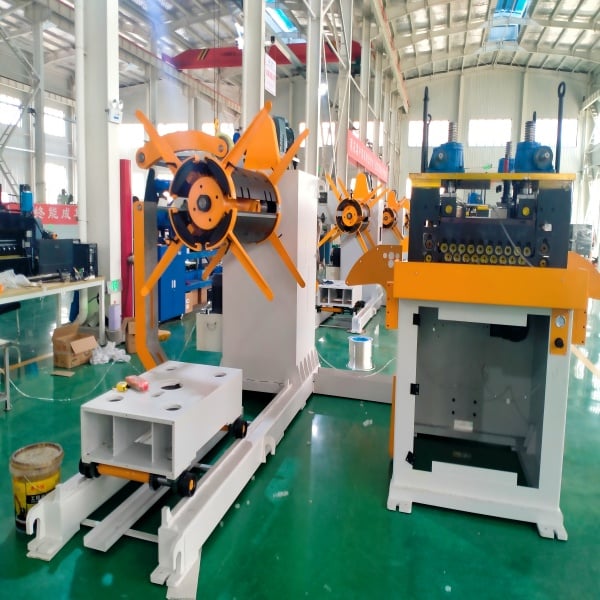
Achieving precise flatness in heavy processing operations depends on the mechanical capability and design sophistication of thick plate leveling machines. When working with materials ranging from 6mm to over 100mm in thickness, manufacturers face challenges including residual stress, edge waviness, and surface distortion that conventional equipment cannot adequately address. Understanding what ensures flatness in these demanding applications requires examining the interplay between roller configuration, hydraulic control systems, material yield characteristics, and process parameters that define modern leveling technology. Industries such as shipbuilding, pressure vessel fabrication, heavy machinery manufacturing, and structural steel production rely on these machines to deliver components meeting strict dimensional tolerances and surface quality standards.
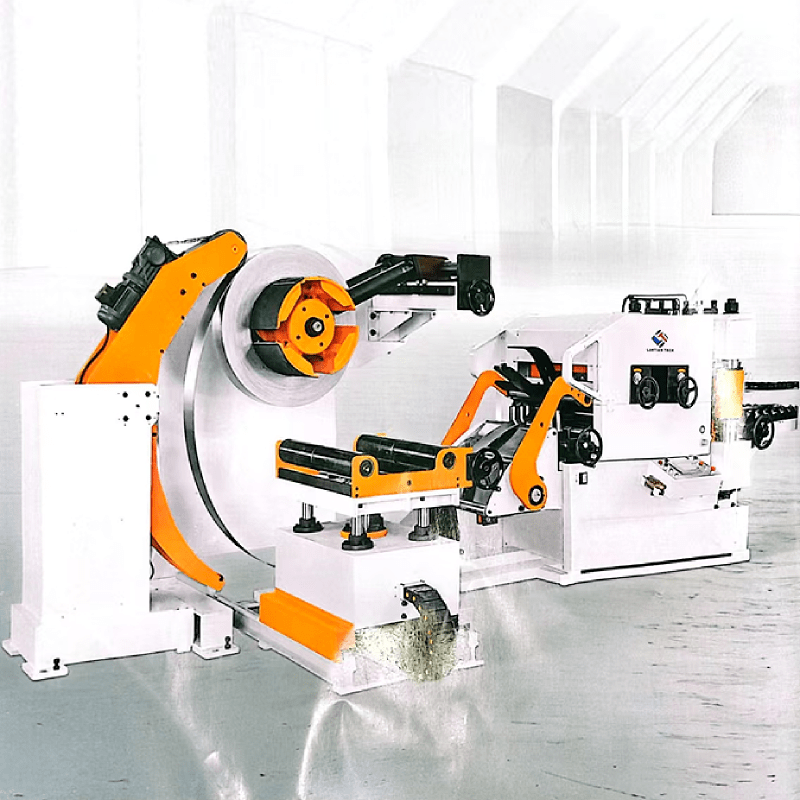
The fundamental principle behind flatness assurance lies in controlled plastic deformation through multiple bending cycles that progressively eliminate internal stresses and geometrical deviations. Unlike thin material leveling where tension-based processes dominate, heavy plate processing requires robust mechanical force application distributed across strategically positioned work rolls and backup rolls. The effectiveness of thick plate leveling machines stems from their ability to generate sufficient bending moments to exceed the material's yield strength while maintaining precise control over deformation patterns throughout the plate cross-section. This article explores the critical technical factors, machine design elements, process control strategies, and operational considerations that collectively ensure superior flatness outcomes in heavy processing environments.
Mechanical Design Architecture for Flatness Control
Roller Configuration and Work Roll Diameter Selection
The arrangement and dimensional specifications of work rolls constitute the primary mechanical interface determining flatness capability in thick plate leveling machines. Heavy-duty applications typically employ between nine and thirteen work rolls arranged in alternating upper and lower positions, creating multiple bend points along the material travel path. Larger diameter work rolls, often ranging from 200mm to 400mm for super-thick applications, provide greater resistance to deflection under load and enable the generation of higher bending forces necessary to plastically deform thick sections. The spacing between consecutive rolls directly influences the bending radius imparted to the plate, with tighter spacing allowing more aggressive correction of localized deviations while wider spacing addresses broader waviness patterns.
Each work roll in advanced thick plate leveling machines features precision grinding to tolerances measured in micrometers, ensuring uniform contact pressure distribution across the plate width. Surface hardness specifications typically exceed 60 HRC through induction hardening or coating treatments that resist wear from abrasive scale and high contact stresses. The ratio between work roll diameter and minimum plate thickness being processed affects the strain distribution during leveling, with optimal ratios preventing surface marking while achieving sufficient penetration depth for stress relief. Backup roll systems positioned behind work rolls counteract deflection tendencies, maintaining parallel alignment even when processing materials at the upper thickness capacity range of the equipment.
Hydraulic Adjustment Systems and Pressure Distribution
Hydraulic actuators controlling roll positioning provide the dynamic adjustment capability essential for accommodating varying material properties and thickness transitions during continuous processing. Modern thick plate leveling machines incorporate independent hydraulic cylinders for each adjustable roll position, enabling precise entry and exit roll height modifications that optimize the deformation gradient across the material length. Pressure sensors integrated within hydraulic circuits provide real-time feedback on leveling forces, allowing operators to verify that sufficient plastic strain is being applied without exceeding structural limits of the machine frame or causing material damage.
The distribution of hydraulic pressure across multiple adjustment points addresses the challenge of plate camber and edge-to-center thickness variations common in heavy rolled products. Segmented hydraulic controls along the machine width enable differential roll crowning adjustments that compensate for anticipated deflection patterns under load. Advanced systems incorporate servo-hydraulic valves capable of millisecond response times, facilitating dynamic adjustments as variations in material hardness or thickness are detected during processing. The hydraulic system capacity, measured in terms of maximum force per linear meter of roll length, determines the upper limit of both material thickness and yield strength that can be effectively processed while maintaining flatness specifications.
Frame Rigidity and Structural Load Management
The structural framework supporting roller assemblies and hydraulic systems must resist elastic deformation under the substantial forces generated during heavy plate leveling operations. Welded steel frames constructed from high-strength alloy plates and incorporating reinforcing ribs distribute leveling forces uniformly to foundation mounting points. Finite element analysis during machine design identifies stress concentration zones where frame deflection could compromise roller alignment, guiding reinforcement placement and cross-sectional dimensioning. Frame rigidity directly correlates with achievable flatness precision, as any structural flexure translates into unintended variation in roller gap dimensions along the material path.
Thick plate leveling machines processing materials exceeding 50mm thickness typically feature frame designs capable of withstanding total leveling forces exceeding 5000 tons without measurable deflection at critical alignment points. Foundation requirements specify concrete pad thickness, reinforcement density, and anchor bolt specifications to prevent settling or vibration that would disrupt the precision alignment established during machine installation. Regular structural inspection protocols using laser alignment systems verify that operational stresses have not induced permanent frame deformation over extended service periods, maintaining the geometric accuracy essential for consistent flatness outcomes.
Material Science Considerations in Leveling Heavy Plate
Yield Strength Variation and Plastic Deformation Requirements
The relationship between material yield strength and applied bending stress governs whether thick plate leveling machines can achieve the plastic deformation necessary for permanent flatness correction. High-strength structural steels, abrasion-resistant grades, and specialized alloys exhibit yield points ranging from 300MPa to over 1000MPa, requiring proportionally greater bending moments to exceed elastic limits. The leveling process must generate strains throughout the plate cross-section that surpass the yield point by a sufficient margin to overcome work hardening effects and ensure residual stresses remain below levels that would cause spring-back after unloading.
Temperature conditions during leveling influence material flow characteristics, with warm leveling of certain alloy grades reducing force requirements while potentially affecting dimensional stability during subsequent cooling. Cold leveling operations maintain tighter dimensional control but demand higher machine capacity to generate equivalent plastic strain levels. The strain gradient from plate surface to centerline varies with thickness, requiring thicker sections to undergo multiple passes with progressively adjusted roller penetrations to achieve uniform stress relief across the entire cross-section. Material chemistry variations within a single plate heat can create zones of differing hardness that manifest as inconsistent leveling response, necessitating adaptive process control strategies.
Residual Stress Patterns and Their Impact on Flatness
Internal stresses locked into plate material during hot rolling, flame cutting, and welding operations create the primary flatness disturbances that thick plate leveling machines must counteract. Longitudinal residual stresses concentrated near plate edges often reach magnitudes approaching 50% of material yield strength, generating edge wave patterns when compressive stresses cause localized buckling. Through-thickness stress gradients produce bow and twist deformations that become more pronounced as plate thickness increases beyond 30mm. The leveling process must introduce controlled plastic deformation that redistributes these residual stresses into balanced patterns incapable of generating geometrical distortion.
Effective stress relief through leveling depends on exceeding yield strength uniformly across both plate surfaces while limiting total strain accumulation that could induce material property changes. Multiple bending cycles with alternating curvature directions work-harden the outer fiber layers while simultaneously relaxing internal stress concentrations through localized yielding. The roller entry angle and penetration depth determine whether stress relief extends to the plate neutral axis or remains concentrated in surface layers. For plates exceeding 80mm thickness, achieving centerline stress relief may require specialized roller configurations with larger diameters and wider spacing that can generate the necessary bending moments without surface damage.
Material Thickness Transitions and Edge Condition Management
Processing plates with thickness variations along their length challenges the adjustment responsiveness of thick plate leveling machines, as optimal roller positions shift when material cross-section changes. Tapered plates used in pressure vessel manufacturing and transition sections in ship hull construction require dynamic roller repositioning synchronized with material advancement speed. Edge conditions including shear burrs, flame-cut roughness, and corner radius variations affect contact pressure distribution during leveling, potentially creating localized stress concentrations that compromise flatness in edge zones.
Advanced leveling strategies for variable thickness materials incorporate pre-mapping of thickness profiles using laser scanning or mechanical probing systems that feed forward adjustment data to hydraulic control systems. Edge supporting rollers positioned laterally along the machine width prevent thin plate sections from tilting during leveling while maintaining alignment for thicker sections. Surface condition preparation through descaling or grinding prior to leveling ensures consistent friction characteristics between material and work rolls, eliminating unpredictable slip conditions that could generate differential elongation patterns manifesting as longitudinal bow after processing.
Process Control Technology and Automation Integration
Real-Time Flatness Measurement and Feedback Systems
Inline flatness measurement instrumentation provides the quantitative data essential for validating leveling effectiveness and enabling closed-loop process control in modern thick plate leveling machines. Laser-based profile scanners positioned at machine exit measure deviation from reference plane across the plate width at multiple longitudinal positions, generating three-dimensional flatness maps with resolution typically better than 0.1mm. Comparison of measured flatness data against tolerance specifications triggers automatic roller adjustments when deviations exceed acceptable thresholds, creating adaptive leveling systems that compensate for material property variations without operator intervention.
Integration of flatness measurement data with machine learning algorithms enables predictive adjustment strategies based on material grade, thickness, and observed leveling response patterns from previous processing cycles. Statistical process control methodologies applied to flatness measurement datasets identify systematic trends indicating wear progression in work rolls or hydraulic system drift requiring maintenance intervention. The feedback loop latency between flatness measurement and corresponding roller adjustment limits the minimum processing speed at which effective control can be maintained, with high-speed production lines requiring predictive feedforward control supplementing reactive feedback approaches.
Roller Penetration Optimization and Force Monitoring
Determining optimal roller penetration depth for specific material conditions represents a critical process parameter affecting both flatness outcome and productivity in thick plate leveling machines. Excessive penetration generates unnecessary plastic strain that may alter material mechanical properties while reducing work roll service life through accelerated wear. Insufficient penetration fails to achieve the plastic deformation magnitude required for permanent stress relief, resulting in spring-back deformation after plate exits the machine. Force monitoring systems measuring hydraulic pressure at each roller position provide indirect indication of material resistance and leveling effectiveness.
Advanced control algorithms correlate measured leveling force profiles with material yield strength estimates, calculating theoretical bending stress distributions across the plate cross-section. Deviation between expected force requirements based on material specifications and actual measured values signals potential grade misidentification or localized property variations requiring process adjustment. Roller penetration optimization routines implemented in machine control systems execute iterative adjustment sequences that converge on minimum penetration depths achieving target flatness specifications, balancing productivity objectives with quality requirements. Historical force data compilation creates reference databases enabling rapid setup for recurring material specifications.
Multi-Pass Strategies for Extreme Flatness Requirements
Applications demanding flatness tolerances approaching ±0.5mm per meter or tighter often exceed the capability of single-pass leveling operations, particularly when processing thick plate leveling machines at maximum thickness capacity. Multi-pass strategies employ progressively refined roller adjustment settings across sequential leveling cycles, with initial passes addressing gross deviations and subsequent passes correcting residual imperfections. The first pass typically uses aggressive penetration settings to break up major stress patterns and reduce edge wave amplitude, while follow-up passes apply gentler deformation with optimized roller configurations targeting specific remaining flatness defects.
Directional variation between passes, achieved by rotating the plate or reversing travel direction, helps counteract asymmetric stress patterns that single-direction processing might introduce. Intermediate flatness measurement between passes quantifies improvement achieved and guides adjustment strategy for subsequent cycles. For materials exhibiting significant work hardening during initial leveling, intermediate stress-relief annealing may be specified before final leveling passes to restore material ductility. Production scheduling integration ensures multi-pass requirements are accommodated within overall throughput targets, with automated material handling systems facilitating plate repositioning for successive leveling operations.
Operational Factors and Maintenance Practices
Work Roll Condition Monitoring and Service Life Management
The surface condition and dimensional accuracy of work rolls directly influence flatness capability, making systematic monitoring and maintenance essential for sustained performance of thick plate leveling machines. Surface wear progresses through initial break-in phases where asperities are reduced, followed by gradual diameter reduction and potential localized pitting from contact fatigue. Regular diameter measurement at multiple positions along roll length detects uneven wear patterns that would create width-direction flatness variations. Surface roughness monitoring identifies the onset of micro-cracking or coating degradation requiring roll reconditioning or replacement.
Predictive maintenance programs correlate roll surface condition measurements with processed tonnage totals and material hardness distributions, establishing reconditioning intervals that prevent quality degradation while maximizing roll service life. Reconditioning procedures including grinding, polishing, and re-coating restore work roll specifications to original tolerances, with dimensional compensation in machine setup parameters accounting for reduced diameters after multiple reconditioning cycles. Spare roll inventory strategies minimize production disruptions during roll changes, with quick-change tooling systems reducing changeover times to under two hours for complete roller set replacement in modern installations.
Hydraulic System Calibration and Response Verification
Hydraulic positioning accuracy determines the precision with which thick plate leveling machines can implement calculated roller adjustment strategies. Periodic calibration routines verify that commanded roller positions correspond to actual physical positions within specified tolerances, typically ±0.05mm for precision leveling applications. Pressure transducer calibration ensures force measurements accurately reflect applied loads, maintaining validity of process control decisions based on force feedback. Servo valve response testing identifies degradation in dynamic performance that could compromise adaptive control effectiveness during processing of variable materials.
Hydraulic fluid condition monitoring through oil analysis detects contamination, oxidation, and viscosity changes that affect system performance and component longevity. Filtration system maintenance prevents particulate contamination from compromising servo valve operation and cylinder seal integrity. Temperature control systems maintain hydraulic fluid within optimal operating ranges, preventing viscosity variations that would alter positioning response characteristics. Regular inspection of hydraulic hoses, fittings, and cylinder seals prevents leakage that reduces positioning accuracy and creates safety hazards in the operating environment.
Setup Optimization for Different Material Specifications
Achieving optimal flatness outcomes across diverse material grades, thickness ranges, and initial condition variations requires systematic setup procedures tailored to specific processing requirements. Material property databases integrated with machine control systems provide recommended initial roller position settings based on grade designation, thickness, and target flatness specification. Trial processing of lead sections enables verification and refinement of setup parameters before committing full production quantities. Documentation of successful setup parameters creates institutional knowledge accessible to operators managing similar material specifications in future production runs.
Automated setup routines implemented in advanced thick plate leveling machines reduce reliance on operator experience while maintaining consistency across shifts and personnel changes. Recipe management systems store complete parameter sets for frequently processed material types, enabling rapid changeover between different production runs. Setup time reduction initiatives balance thoroughness of optimization against productivity impacts, identifying minimum viable verification procedures that ensure quality without excessive non-productive time. Continuous improvement processes analyze flatness outcome data across production history to refine setup algorithms and expand the operating window for successful leveling outcomes.
FAQ
What plate thickness range can thick plate leveling machines effectively process while maintaining flatness specifications?
Modern thick plate leveling machines are engineered to handle material thickness from approximately 6mm up to 100mm or greater, depending on specific machine design and structural capacity. The effective processing range depends on the relationship between work roll diameter, hydraulic force capacity, and material yield strength. Machines designed for super-thick applications feature larger diameter work rolls exceeding 350mm and frame structures capable of generating leveling forces beyond 5000 tons total capacity. The minimum thickness is limited by the risk of surface marking and over-bending, while maximum thickness is constrained by the machine's ability to generate sufficient bending moment to exceed material yield strength throughout the plate cross-section. Optimal flatness outcomes are achieved when processing materials in the middle 60% of a machine's rated thickness range, where force capacity provides adequate margin and roller geometry creates appropriate bending characteristics.
How does material yield strength affect the leveling process and required machine capacity?
Material yield strength directly determines the bending force required to achieve plastic deformation during leveling operations. High-strength steels with yield points exceeding 700MPa require substantially greater roller penetration force compared to mild structural grades with yield strengths around 350MPa when processing equivalent thickness. Thick plate leveling machines must generate bending stresses surpassing the yield point by approximately 20-30% to ensure permanent deformation overcomes elastic spring-back effects. The force requirement scales with both yield strength and the square of material thickness, creating exponential capacity demands when processing both thick sections and high-strength grades simultaneously. Machines rated for maximum capacity operation when processing mild steel at 80mm thickness may be limited to 50mm thickness when working with ultra-high-strength alloys, requiring careful matching of machine specification to anticipated material portfolio during equipment selection.
What maintenance intervals are recommended for optimal performance of thick plate leveling machines?
Comprehensive maintenance programs for thick plate leveling machines typically include daily inspections of hydraulic fluid levels and visible wear indicators, weekly lubrication of bearing assemblies and drive components, and monthly measurement of work roll diameters and surface condition assessment. Hydraulic system calibration and pressure transducer verification should occur quarterly or after processing 5000 tons of material, whichever comes first. Work roll reconditioning intervals depend on material abrasiveness and processing volume but generally range from 10,000 to 25,000 tons of processed material before dimensional wear exceeds acceptable limits. Annual comprehensive inspections should include structural alignment verification using laser measurement systems, complete hydraulic component testing, and electrical system diagnostics. Predictive maintenance programs monitoring vibration signatures, thermal patterns, and process control data enable condition-based intervention before component failures impact production quality or availability.
Can thick plate leveling machines process materials with existing surface scale or require descaled input?
While thick plate leveling machines can technically process materials with surface scale present, optimal flatness outcomes and extended work roll service life are achieved when scale is removed prior to leveling through shot blasting, pickling, or mechanical descaling operations. Heavy mill scale creates uneven contact conditions between work rolls and plate surfaces, resulting in inconsistent friction characteristics that may generate differential elongation patterns and compromise flatness uniformity. Abrasive scale particles accelerate work roll surface wear through erosive action during the high-pressure contact inherent in leveling operations, reducing the interval between required roll reconditioning procedures. Some production environments accept reduced roll life and implement more frequent maintenance when descaling operations are impractical, while quality-critical applications universally specify clean surface conditions before leveling. Specialized work roll coatings and hardness treatments can extend service life when processing scaled materials but cannot fully eliminate the performance disadvantages compared to clean surface processing.
Table of Contents
- Mechanical Design Architecture for Flatness Control
- Material Science Considerations in Leveling Heavy Plate
- Process Control Technology and Automation Integration
- Operational Factors and Maintenance Practices
-
FAQ
- What plate thickness range can thick plate leveling machines effectively process while maintaining flatness specifications?
- How does material yield strength affect the leveling process and required machine capacity?
- What maintenance intervals are recommended for optimal performance of thick plate leveling machines?
- Can thick plate leveling machines process materials with existing surface scale or require descaled input?