
 EN
EN
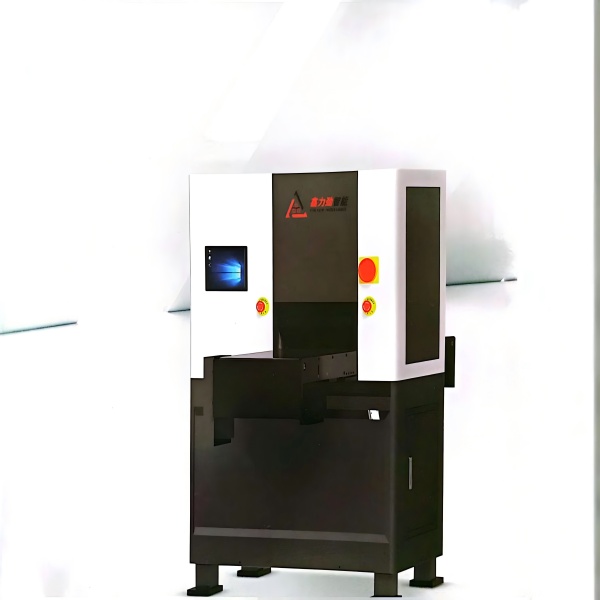
Manufacturing operations in heavy industries face constant pressure to maximize throughput while maintaining strict quality standards. One critical challenge involves processing thick metal plates that arrive warped, bent, or stressed from upstream processes like cutting, welding, or heat treatment. These imperfections force production slowdowns, increase scrap rates, and create bottlenecks that ripple through entire workflows. The thick plate leveling machine addresses these inefficiencies by transforming distorted materials into flat, stable workpieces ready for downstream operations. Understanding why this equipment delivers measurable productivity gains requires examining the specific mechanical advantages, operational improvements, and systemic benefits it provides across integrated production environments.
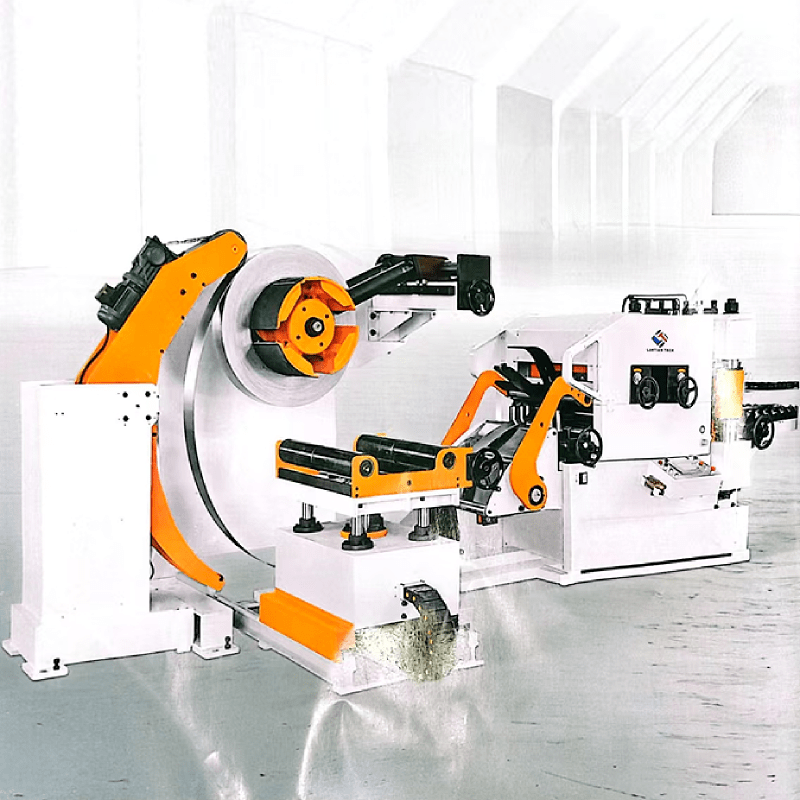
Production line efficiency depends fundamentally on minimizing non-value-added handling and rework. When thick plates enter fabrication stages with residual stress or dimensional deviations, operators must compensate through manual adjustments, multiple positioning attempts, or complete rejection of material. Each intervention consumes time, labor, and machine capacity that could otherwise contribute to finished output. By eliminating these disruptions at a dedicated leveling station, facilities achieve predictable cycle times, reduce manual intervention, and enable automated material flow that multiplies overall system capacity. This strategic positioning of the thick plate leveling machine within the production sequence transforms it from a standalone correction tool into a throughput enabler that directly impacts bottom-line performance metrics.
Mechanical Precision That Eliminates Downstream Rework Cycles
Multi-Roller Work Bending Principles Deliver Permanent Flatness Correction
The fundamental efficiency advantage of a thick plate leveling machine stems from its mechanical design, which applies controlled plastic deformation to permanently remove internal stress. Unlike temporary clamping or heating methods, the multi-roller configuration subjects material to alternating bending cycles that exceed the elastic limit of the steel. This process redistributes residual stresses uniformly across the plate thickness, eliminating the memory effect that causes material to spring back after release. By achieving true flatness through metallurgical stress relief rather than force-based constraint, the equipment ensures workpieces remain stable through subsequent cutting, welding, and assembly operations without reverting to distorted states.
Production environments processing plates between ten and one hundred millimeters thickness particularly benefit from this permanent correction capability. Heavy structural components, pressure vessel shells, and large fabrication assemblies cannot tolerate dimensional drift during multi-stage processing. When a thick plate leveling machine delivers flatness tolerances within specified limits, downstream CNC machining centers, laser cutters, and robotic welding cells operate at designed speeds without pausing for repositioning or fixturing adjustments. This continuity directly translates to higher equipment utilization rates and predictable production scheduling that facility managers can reliably plan around.
Adjustable Roller Configurations Match Material Properties and Thickness Ranges
Different steel grades, alloy compositions, and thickness profiles require varying degrees of bending force and roller engagement to achieve optimal results. Advanced thick plate leveling machine designs incorporate hydraulic adjustment systems that modify roller penetration depth, spacing, and bending radius to accommodate specific material characteristics. This adaptability prevents both under-correction, which leaves residual bow, and over-correction, which can induce new stress patterns or surface damage. Operators configure parameters based on material certificates and incoming inspection data, then process batches with consistent results that meet downstream quality requirements.
The efficiency impact becomes evident when comparing facilities with fixed-configuration levelers versus adjustable systems. Fixed systems require material sorting, batch processing by thickness range, and frequent setup changes that fragment production flow. Adjustable thick plate leveling machine installations handle mixed material streams continuously, reducing changeover downtime and enabling just-in-time processing aligned with fabrication schedules. This flexibility proves especially valuable in job shop environments where order mix varies daily and production planning must accommodate customer-specific material requirements without sacrificing throughput.
Automated Material Handling Integration That Reduces Labor Dependency
Conveyor Systems and Positioning Automation Eliminate Manual Plate Movement
Traditional plate preparation workflows require multiple operators using overhead cranes to position heavy materials onto leveling equipment, then transfer corrected plates to subsequent workstations. Each lift cycle involves rigging, signaling, positioning verification, and safety confirmation protocols that consume minutes per piece. Modern thick plate leveling machine installations integrate powered roller tables, chain conveyors, and automated positioning systems that move material through the leveling process without human intervention. Sensors detect incoming plates, guide them through alignment stations, engage leveling rollers automatically, and discharge finished workpieces to downstream buffer zones or direct processing stations.
This automation delivers multiple efficiency benefits beyond simple labor reduction. Automated systems maintain consistent material orientation and centering, which improves leveling quality by ensuring uniform roller engagement across the plate width. Processing speed increases substantially since mechanical handling operates continuously at designed rates rather than waiting for crane availability or operator scheduling. Safety improves as workers avoid hazardous lifting operations near heavy machinery, reducing incident-related downtime and insurance costs. The combined effect creates a production cell where material flows at predictable rates determined by equipment capacity rather than human coordination limitations.
Inline Quality Measurement Provides Immediate Feedback and Process Control
Efficiency gains from thick plate leveling machine installations multiply when coupled with automated quality verification systems. Laser profilometers, contact measurement arrays, and vision systems mounted at leveler discharge points measure flatness, straightness, and dimensional conformance in real time as material exits the equipment. Digital control systems compare these measurements against programmed tolerances and automatically adjust roller settings to maintain output within specifications. This closed-loop control eliminates the traditional practice of batch sampling, offline inspection, and corrective reprocessing that consumes production capacity for rework cycles.
The data generated by these measurement systems provides additional value through process documentation and quality traceability. Each plate processed through the thick plate leveling machine receives a digital record linking material identification, leveling parameters applied, and final dimensional verification results. Downstream operations access this data to optimize their own process parameters, while quality assurance teams use it to demonstrate compliance with customer specifications and industry standards. This information flow reduces inspection redundancy, accelerates material release for subsequent operations, and provides objective evidence that supports continuous improvement initiatives targeting overall equipment effectiveness.
Throughput Optimization Through Strategic Production Sequence Positioning
Pre-Fabrication Leveling Prevents Cumulative Errors in Multi-Stage Processing
The placement of thick plate leveling machine operations within the overall production sequence significantly influences their efficiency contribution. Facilities that perform leveling immediately after material receipt and before any value-adding operations establish a stable dimensional baseline that prevents error propagation through subsequent stages. When cutting operations work on flat, stress-free material, dimensional accuracy improves and tool life extends because cutting forces distribute evenly rather than fighting internal material stresses. Welding operations on pre-leveled components experience fewer distortion problems since residual stresses have already been relieved, reducing post-weld correction requirements.
This sequencing strategy proves particularly valuable in complex assemblies requiring tight fit-up tolerances. Large structural frames, pressure vessel assemblies, and modular construction components often involve multiple sub-assemblies that must mate precisely during final assembly. When component plates enter fabrication already leveled to tight flatness specifications, assembly teams achieve proper fit without force, shimming, or field correction. The time savings during assembly operations often exceed the actual cycle time invested in the thick plate leveling machine itself, demonstrating how strategic process positioning creates multiplicative rather than merely additive efficiency gains.
Buffer Stock Reduction Through Improved Process Predictability
Manufacturing operations traditionally maintain inventory buffers to compensate for process variability and quality uncertainty. When incoming material quality varies unpredictably, production planners stockpile extra material to ensure sufficient good parts reach assembly stages despite expected rejection rates. The consistent output quality delivered by thick plate leveling machine processing reduces this variability substantially. Material that passes through properly configured leveling equipment exhibits predictable dimensional characteristics that downstream processes can reliably convert into conforming finished products.
This predictability enables lean manufacturing practices that reduce working capital requirements and floor space consumption. Facilities operating with confidence in leveled material quality reduce safety stock levels, decrease material handling between storage and production areas, and shorten overall production lead times. The faster inventory turnover improves cash flow while reducing obsolescence risk for materials tied to specific customer orders. Financial analysis often reveals that the working capital reduction enabled by thick plate leveling machine implementation generates returns that justify equipment investment independent of direct labor savings or throughput improvements.
Energy Efficiency and Operational Cost Advantages
Single-Pass Processing Eliminates Redundant Heating and Correction Cycles
Alternative methods for correcting plate distortion often rely on thermal processes that consume substantial energy while extending processing time. Flame straightening applies localized heating to induce controlled shrinkage that counteracts warpage, but requires skilled operators, creates fire hazards, and introduces heat-affected zones that may compromise material properties. Press-based correction methods achieve temporary flatness through mechanical force but lack the stress relief provided by multi-roller leveling, often requiring repeated applications as material springs back. The thick plate leveling machine accomplishes permanent correction in a single continuous pass using mechanical work bending that requires only the electrical energy to drive hydraulic systems and roller rotation.
Energy consumption comparisons reveal significant advantages for facilities processing moderate to high material volumes. A properly sized thick plate leveling machine operating at designed throughput rates consumes a fraction of the energy required for equivalent thermal correction methods while eliminating fuel costs, ventilation requirements, and environmental compliance burdens associated with flame heating. The reduced energy footprint contributes to sustainability goals while lowering operating costs, creating competitive advantages in markets where energy costs represent significant portions of manufacturing expense or where environmental regulations increasingly restrict carbon-intensive processes.
Maintenance Efficiency Through Robust Construction and Component Accessibility
Production line efficiency depends not only on equipment performance during operation but also on minimizing unplanned downtime and maintenance duration. Industrial thick plate leveling machine designs incorporate heavy-duty construction with oversized bearings, hardened roller surfaces, and robust frame structures that withstand continuous operation in demanding environments. Component accessibility features including hinged guards, quick-change tooling interfaces, and centralized lubrication systems enable maintenance personnel to complete routine service tasks during scheduled breaks rather than requiring extended production shutdowns.
The durability of properly maintained thick plate leveling machine installations contributes to long-term efficiency by maintaining consistent performance over extended service lives. Unlike lighter-duty equipment that experiences progressive degradation requiring frequent recalibration or component replacement, heavy industrial levelers maintain dimensional accuracy and processing capability for decades when operated within design parameters. This longevity reduces capital replacement cycles and provides stable, predictable processing capability that production planning teams can rely upon for capacity forecasting and customer commitment scheduling.
Systematic Production Benefits That Compound Over Time
Quality Consistency Enables Automated Downstream Processing Expansion
The dimensional consistency delivered by thick plate leveling machine processing creates opportunities for production system optimization that extend far beyond the leveling operation itself. Automated cutting systems, robotic welding cells, and CNC machining centers achieve their designed productivity only when supplied with material that meets precise dimensional and flatness specifications. Variability in incoming material forces these systems to operate at reduced speeds, incorporate additional sensing and compensation routines, or require manual intervention that defeats automation benefits. When leveled material arrives at downstream stations with guaranteed flatness tolerances, automation systems operate at maximum designed rates without defensive programming or contingency handling.
This quality foundation supports progressive automation investments that multiply initial efficiency gains. Facilities beginning with manual fabrication methods can introduce a thick plate leveling machine to stabilize material preparation, then confidently invest in automated cutting and welding equipment knowing material quality will support reliable automated operation. The cumulative productivity improvement from this staged automation approach exceeds the sum of individual equipment contributions because each system operates at peak efficiency rather than being constrained by variability introduced at other process stages.
Data-Driven Process Improvement Through Performance Monitoring
Modern thick plate leveling machine installations equipped with digital control systems generate operational data that supports continuous improvement initiatives across the entire production system. Cycle time tracking identifies processing rate trends and maintenance needs before performance degradation affects throughput. Material traceability data correlates incoming material characteristics with processing parameters required to achieve specifications, enabling suppliers to receive feedback that improves delivered material quality over time. Energy consumption monitoring reveals opportunities to optimize operating schedules for minimum utility costs without compromising production commitments.
The analytical capabilities enabled by this data collection transform the thick plate leveling machine from a standalone correction device into an intelligent production system component that contributes to facility-wide optimization. Production engineers analyze historical performance data to identify patterns linking material grades, thickness ranges, and optimal leveling parameters, then codify this knowledge into automated setup routines that reduce operator skill requirements and setup variability. Quality teams use process capability data to negotiate tighter customer specifications that command premium pricing, converting equipment capability into competitive advantage that drives business growth beyond simple cost reduction.
FAQ
What thickness range can industrial thick plate leveling machines typically process?
Industrial thick plate leveling machines are specifically engineered to handle materials ranging from approximately ten millimeters up to one hundred millimeters or more, depending on the specific model configuration and roller diameter. Heavy-duty series designed for structural steel fabrication, pressure vessel manufacturing, and heavy equipment production incorporate roller assemblies with sufficient diameter and hydraulic pressure capacity to impart the plastic deformation required for permanent stress relief in these substantial thickness ranges. The upper thickness limit for any particular machine depends on the relationship between material yield strength, roller diameter, and available hydraulic force, with specialized extra-heavy-duty configurations capable of processing plates exceeding standard ranges when application requirements justify the investment.
How does leveling plate material before fabrication reduce overall production costs?
Pre-fabrication leveling creates cost reductions through multiple mechanisms that compound throughout the production sequence. Dimensional stability eliminates rework cycles where operators must recut parts, re-weld assemblies, or perform corrective grinding to compensate for distortion-induced errors. Improved material consistency extends cutting tool life by eliminating uneven loading that accelerates wear, while also reducing welding consumable usage by ensuring proper fit-up that minimizes gap-filling requirements. Automated equipment operates at higher utilization rates when processing predictably flat material, spreading fixed costs across greater output volumes. Quality assurance expenses decrease as conformance rates improve and inspection rejection rates decline. The cumulative effect typically generates cost reductions substantially exceeding the direct operating expense of the leveling operation itself.
Can thick plate leveling machines integrate with existing production line automation systems?
Modern thick plate leveling machine designs incorporate standard industrial communication protocols and control interfaces that facilitate integration with existing production management systems, material handling automation, and quality data collection networks. Programmable logic controllers governing leveling operations communicate via Ethernet, Profibus, or other industrial networking standards to exchange production scheduling data, material tracking information, and process status updates with facility-level manufacturing execution systems. Mechanical interfaces including standardized conveyor heights, roller table configurations, and material transfer protocols enable physical integration with upstream storage systems and downstream processing equipment. Retrofit installations in existing facilities can typically achieve functional integration within normal project timelines, while greenfield operations design complete material flow systems with leveling equipment as integral components from initial planning stages.
What maintenance requirements affect thick plate leveling machine operational availability?
Operational availability for industrial thick plate leveling machines depends primarily on routine preventive maintenance tasks that equipment manufacturers specify based on operating hour intervals or processed material tonnage. Critical maintenance activities include roller bearing inspection and lubrication, hydraulic system fluid analysis and filtration element replacement, drive chain or gear reducer service, and roller surface condition monitoring for wear or damage. Well-designed equipment incorporates maintenance access features that enable technicians to complete these tasks during planned production breaks rather than requiring extended shutdowns. Facilities implementing structured preventive maintenance programs according to manufacturer specifications typically achieve availability rates exceeding ninety-five percent, with unplanned downtime events primarily resulting from processing material outside equipment design parameters or operating in environments exceeding specified contamination or temperature limits.
Table of Contents
- Mechanical Precision That Eliminates Downstream Rework Cycles
- Automated Material Handling Integration That Reduces Labor Dependency
- Throughput Optimization Through Strategic Production Sequence Positioning
- Energy Efficiency and Operational Cost Advantages
- Systematic Production Benefits That Compound Over Time
-
FAQ
- What thickness range can industrial thick plate leveling machines typically process?
- How does leveling plate material before fabrication reduce overall production costs?
- Can thick plate leveling machines integrate with existing production line automation systems?
- What maintenance requirements affect thick plate leveling machine operational availability?