
 EN
EN
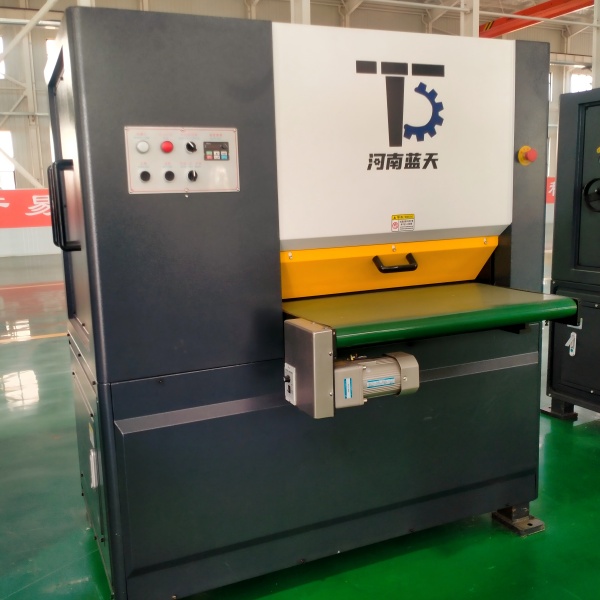
Yes, a thick plate leveling machine can definitively support heavy plate production when properly designed and configured for industrial-scale operations. These specialized machines are engineered to handle substantial steel plate thicknesses typically ranging from 20mm to 150mm or more, making them essential equipment for heavy manufacturing sectors including shipbuilding, construction, and pressure vessel fabrication. The capability of modern thick plate leveling machines to process heavy plates depends on several critical factors including roller configuration, hydraulic system capacity, and structural frame design.
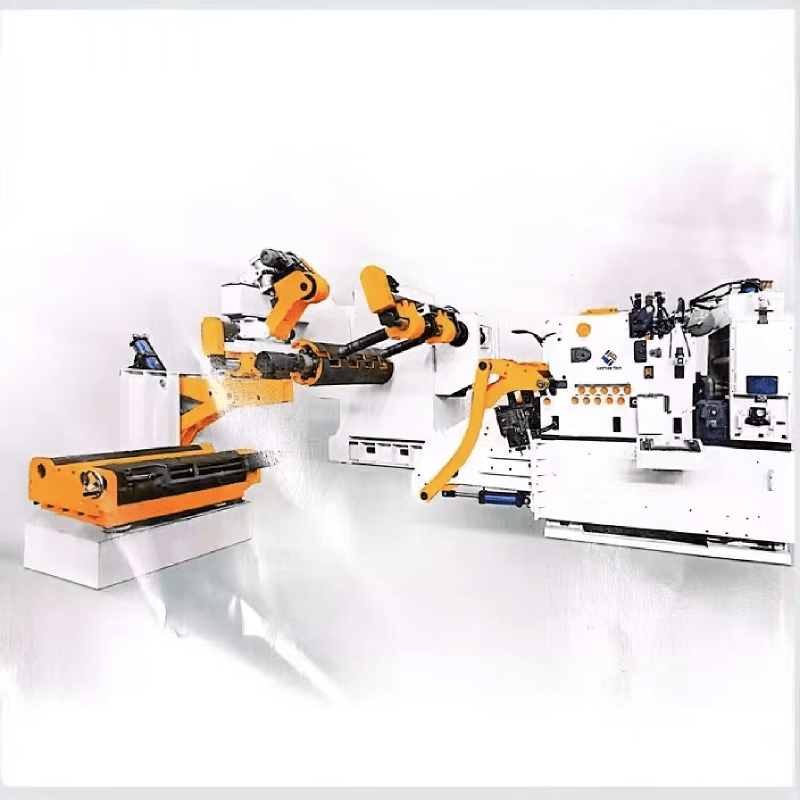
The fundamental engineering principle behind thick plate leveling machines enables them to accommodate heavy plate production through progressive stress application and plastic deformation control. Unlike standard leveling equipment designed for thinner materials, these machines incorporate reinforced mechanical systems that can withstand the enormous forces required to flatten and straighten thick steel plates. Industrial facilities processing heavy plates rely on these machines to achieve the dimensional accuracy and surface quality standards demanded by downstream manufacturing processes.
Mechanical Design Features Supporting Heavy Plate Processing
Roller Configuration and Material Engineering
The roller system in a thick plate leveling machine represents the most critical component for heavy plate support. These machines typically feature multiple working rollers arranged in a staggered configuration, with diameters ranging from 200mm to 400mm depending on the maximum plate thickness capacity. The rollers are manufactured from high-grade alloy steel with surface hardening treatments to resist wear and maintain dimensional stability under extreme loading conditions. Each roller must withstand contact pressures exceeding 2000 MPa when processing heavy plates, requiring precision manufacturing tolerances and specialized bearing systems.
Advanced thick plate leveling machines incorporate variable roller spacing adjustment mechanisms that allow operators to optimize the bending radius for different plate thicknesses and material grades. The roller pitch adjustment capability ensures that heavy plates receive appropriate stress distribution throughout the leveling process, preventing over-bending or under-correction that could compromise final product quality. This flexibility enables a single machine to handle diverse heavy plate specifications within its design capacity range.
Hydraulic System Capacity and Force Distribution
The hydraulic system in heavy-duty thick plate leveling machines must generate substantial downward forces to achieve plastic deformation in thick steel sections. These systems typically operate at pressures between 200-350 bar, with total leveling forces ranging from 500 tons to over 2000 tons depending on machine size and plate specifications. The hydraulic cylinders are distributed across the machine width to ensure uniform pressure application, preventing localized stress concentrations that could damage either the plate or the equipment.
Modern hydraulic control systems incorporate proportional valve technology and closed-loop feedback mechanisms to maintain consistent leveling forces throughout the plate length. This precision control becomes particularly important when processing heavy plates with varying thickness tolerances or different material properties within the same batch. The hydraulic system must respond rapidly to load variations while maintaining the predetermined force profile necessary for effective leveling.
Structural Frame Design and Stability
The machine frame structure must possess exceptional rigidity to prevent deflection under the enormous loads generated during heavy plate leveling operations. Welded steel frame construction with high-strength structural members and strategic reinforcement ribs ensures that the thick plate leveling machine maintains dimensional accuracy throughout its operating envelope. Frame deflection directly impacts leveling quality, making structural integrity a primary design consideration for heavy plate applications.
Foundation requirements for heavy-duty thick plate leveling machines include reinforced concrete bases with appropriate vibration isolation systems. The machine foundation must distribute operational loads across sufficient ground area to prevent settlement or movement that could affect leveling precision. Proper installation and foundation design contribute significantly to the machine's ability to maintain consistent performance when processing heavy plates over extended production periods.
Production Capacity and Throughput Considerations
Material Handling Systems Integration
Heavy plate production requires sophisticated material handling equipment to support the thick plate leveling machine operation. Entry and exit roller tables must accommodate plate weights often exceeding several tons while maintaining precise elevation control to ensure smooth material flow through the leveling process. The roller table design must provide adequate support to prevent plate sagging between support points, which could introduce unwanted stresses during the leveling operation.
Crane systems and lifting equipment integration becomes essential for heavy plate production lines, as manual handling is impractical for plates exceeding manageable weight limits. The thick plate leveling machine must coordinate with overhead cranes or side-loading systems to facilitate efficient plate positioning and removal. This integration requires careful planning of production floor layout and material flow patterns to optimize throughput while maintaining operator safety standards.
Processing Speed and Quality Balance
The processing speed of thick plate leveling machines decreases as plate thickness increases, reflecting the additional time required for proper plastic deformation and stress relief. Heavy plates typically process at speeds ranging from 0.5 to 3.0 meters per minute, significantly slower than thin plate operations but necessary to achieve the penetrating bend cycles required for effective leveling. The slower processing speed allows the material to respond appropriately to the applied stresses without introducing unwanted residual tensions or surface defects.
Quality control systems integrated with thick plate leveling machines monitor various parameters including roller gap settings, hydraulic pressures, and plate position throughout the leveling cycle. Advanced systems incorporate laser measurement devices or contact probes to verify leveling effectiveness in real-time, enabling immediate adjustments when processing heavy plates with challenging geometry or material characteristics. This monitoring capability ensures that production quality standards are maintained despite the increased complexity of heavy plate processing.
Material Property Considerations for Heavy Plate Support
Steel Grade Compatibility and Processing Parameters
Different steel grades exhibit varying responses to the leveling process, particularly when processing heavy plates where material thickness amplifies the effects of metallurgical differences. High-strength steels commonly used in heavy plate applications require modified processing parameters including increased bending forces and potentially different roller configurations to achieve effective leveling. The thick plate leveling machine must accommodate these material variations through adjustable force settings and roller position controls.
Carbon content, alloying elements, and heat treatment conditions all influence the plastic deformation characteristics of heavy plates during the leveling process. Materials with higher yield strengths require proportionally greater leveling forces, potentially approaching the maximum capacity limits of the thick plate leveling machine. Understanding these material property relationships enables production planners to optimize machine utilization and ensure successful processing of diverse heavy plate specifications.
Temperature Effects and Thermal Considerations
Heavy plates often retain significant heat from upstream processes such as rolling or heat treatment, affecting their mechanical properties during leveling operations. Elevated material temperatures generally reduce yield strength and improve formability, potentially allowing the thick plate leveling machine to process heavier sections than would be possible at room temperature. However, thermal expansion effects must be considered to prevent dimensional issues in the finished product.
Temperature monitoring systems help operators optimize processing conditions for heavy plates entering the leveling machine at various thermal states. Some installations incorporate controlled cooling systems to manage plate temperature before leveling, ensuring consistent material properties and predictable machine performance. This thermal management becomes particularly important when processing heavy plates in continuous production environments where temperature variations could affect product quality consistency.
Industrial Applications and Sector Requirements
Shipbuilding and Marine Industry Support
The shipbuilding industry represents one of the largest consumers of leveled heavy plates, requiring exceptional flatness tolerances for hull construction and structural components. Ship plate specifications typically demand flatness tolerances within 2-3mm per meter, achievable only through proper thick plate leveling machine processing. The marine environment's corrosive conditions necessitate high-quality surface preparation, making effective leveling a critical prerequisite for subsequent coating and welding operations.
Heavy plates used in ship construction often exceed 50mm thickness and several meters in width and length, challenging the capacity limits of many leveling systems. Modern thick plate leveling machines designed for shipyard applications must accommodate these dimensional requirements while maintaining the precision necessary for complex hull geometry fabrication. The economic impact of properly leveled heavy plates extends throughout the shipbuilding process, reducing welding distortion and improving overall construction efficiency.
Construction and Infrastructure Applications
Heavy construction projects including bridges, high-rise buildings, and industrial facilities rely extensively on thick steel plates that must meet stringent flatness and dimensional accuracy requirements. These applications often involve welded assemblies where plate distortion can propagate throughout the structure, making initial leveling quality critical to project success. The thick plate leveling machine serves as a quality gate ensuring that heavy plates meet construction industry standards before fabrication begins.
Seismic design requirements in many regions mandate specific material properties and dimensional tolerances for structural steel components, including heavy plates used in critical load-bearing applications. The leveling process must not introduce residual stresses that could compromise seismic performance, requiring careful process control and validation procedures. Modern thick plate leveling machines incorporate process monitoring systems that document leveling parameters for quality assurance and regulatory compliance purposes.
FAQ
What is the maximum plate thickness a thick plate leveling machine can handle?
Most industrial thick plate leveling machines can process plates ranging from 20mm to 150mm thickness, with specialized heavy-duty models capable of handling plates up to 200mm or more. The actual capacity depends on the specific machine design, hydraulic system capacity, and material properties of the plates being processed.
How does processing speed change when leveling heavy plates compared to standard thickness materials?
Heavy plate processing speeds are significantly slower than standard thickness operations, typically ranging from 0.5 to 3.0 meters per minute compared to 5-15 meters per minute for thinner materials. This reduced speed is necessary to ensure proper plastic deformation and stress relief throughout the plate thickness.
What maintenance considerations are specific to thick plate leveling machines processing heavy materials?
Heavy plate processing increases wear on rollers, bearings, and hydraulic components due to the higher forces involved. Regular inspection of roller surface condition, bearing lubrication systems, and hydraulic seal integrity becomes more critical. Preventive maintenance intervals may need to be shortened compared to machines processing lighter materials.
Can existing thin plate leveling equipment be upgraded to handle heavy plate production?
Most thin plate leveling machines cannot be economically upgraded to handle heavy plate production due to fundamental differences in structural design, hydraulic capacity, and roller specifications. The forces required for heavy plate leveling typically exceed the design limits of equipment originally intended for thinner materials, necessitating purpose-built heavy-duty machinery.
Table of Contents
- Mechanical Design Features Supporting Heavy Plate Processing
- Production Capacity and Throughput Considerations
- Material Property Considerations for Heavy Plate Support
- Industrial Applications and Sector Requirements
-
FAQ
- What is the maximum plate thickness a thick plate leveling machine can handle?
- How does processing speed change when leveling heavy plates compared to standard thickness materials?
- What maintenance considerations are specific to thick plate leveling machines processing heavy materials?
- Can existing thin plate leveling equipment be upgraded to handle heavy plate production?