
 EN
EN
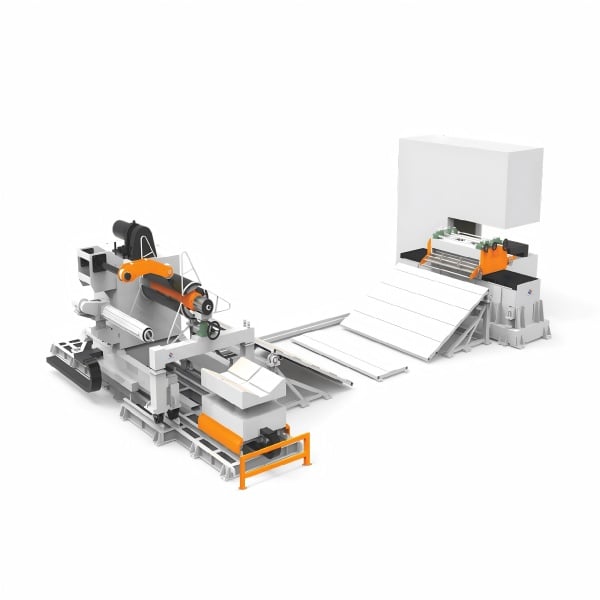
Understanding the precise mechanisms behind plate flattening is crucial for industrial operations requiring consistent metal quality. A thick plate leveling machine operates through controlled deformation processes that systematically eliminate distortions and achieve superior flatness across heavy steel plates. These sophisticated machines address the fundamental challenge of internal stress distribution that naturally occurs during plate production, rolling, and thermal treatment processes.
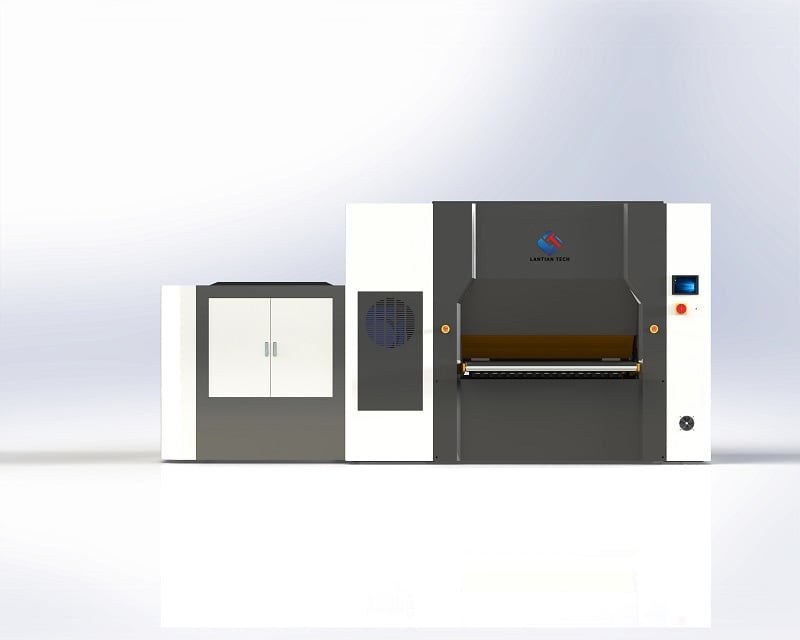
The improvement mechanism centers on precise stress redistribution through calculated bending forces applied at strategic contact points. Industrial applications demand consistent plate geometry for welding, fabrication, and assembly operations, making the role of a thick plate leveling machine essential for maintaining dimensional accuracy and structural integrity across various manufacturing processes.
Fundamental Working Principles of Plate Leveling
Stress Redistribution Through Controlled Bending
The primary mechanism through which a thick plate leveling machine improves flatness involves systematic stress redistribution across the plate surface. When steel plates undergo initial production processes like hot rolling or heat treatment, internal stresses create localized deformations that manifest as waves, buckles, or overall curvature. The leveling process applies controlled bending forces that exceed the material's yield strength in targeted areas.
This controlled plastic deformation creates opposing stress patterns that counteract the original distortions. The machine calculates the precise force distribution needed to achieve uniform stress relief across the entire plate thickness. Each contact point between the leveling rollers and plate surface creates a localized bending moment that permanently adjusts the material structure.
The effectiveness of this process depends on accurate force calibration and roller positioning. Modern thick plate leveling machine systems incorporate hydraulic pressure control that adapts to varying plate thicknesses and material properties. This precision ensures consistent results across different steel grades and dimensional specifications.
Multi-Point Contact Force Application
Advanced leveling systems employ multiple roller arrangements to create simultaneous contact points across the plate width and length. This multi-point approach distributes the correction forces more evenly than single-point systems, resulting in superior flatness improvement. Each roller pair applies specific pressure based on the detected deviation patterns measured through integrated sensing systems.
The sequential application of bending forces through multiple roller stations allows for gradual correction without over-stressing the material. This approach prevents the formation of new distortions while systematically eliminating existing ones. The machine monitors the plate response at each station and adjusts subsequent roller pressures accordingly.
Industrial operations benefit from this graduated correction process because it maintains material properties while achieving dimensional accuracy. The controlled nature of the multi-point system ensures that the final plate retains its structural integrity and mechanical characteristics required for downstream manufacturing processes.
Mechanical Components and Operational Systems
Hydraulic Control Systems for Precision Adjustment
The hydraulic control system forms the core of modern thick plate leveling machine operations, providing precise force regulation and position control. These systems utilize servo-controlled hydraulic cylinders that can apply forces ranging from several tons to hundreds of tons per roller, depending on plate thickness and material requirements. The hydraulic pressure control allows for micro-adjustments that ensure uniform force distribution across the entire plate width.
Advanced hydraulic systems incorporate pressure feedback sensors that continuously monitor applied forces and automatically adjust to maintain consistent leveling pressure. This real-time control prevents over-correction and ensures that each section of the plate receives appropriate treatment based on its specific deviation characteristics. The hydraulic response time typically ranges from milliseconds to seconds, enabling dynamic adjustment during the leveling process.
Industrial applications require hydraulic systems capable of handling varying plate dimensions and material properties without manual recalibration. Modern thick plate leveling machine designs include programmable hydraulic controllers that store correction profiles for different plate specifications, enabling rapid setup changes and consistent processing results across production runs.
Roller Configuration and Material Considerations
The roller system design significantly impacts the leveling effectiveness and determines the machine's capability to handle various plate thicknesses. Industrial thick plate leveling machines typically employ work rollers with diameters ranging from 200mm to 800mm, depending on the maximum plate thickness requirements. Larger diameter rollers provide better contact area distribution and reduce the risk of surface marking on finished plates.
Roller material selection focuses on achieving optimal hardness and wear resistance while maintaining surface finish quality. High-strength steel rollers with specialized surface treatments ensure consistent contact pressure and minimize roller wear during extended operation. The roller surface finish directly affects the final plate surface quality, making precision grinding and maintenance critical factors in operational performance.
Support roller systems work in conjunction with work rollers to maintain proper roller geometry under high loading conditions. These support systems prevent roller deflection that could create uneven pressure distribution across the plate width. Advanced roller configurations include crown adjustment capabilities that compensate for thermal expansion and mechanical deflection during operation.
Quality Enhancement Through Systematic Correction
Measurement and Feedback Systems
Modern thick plate leveling machine systems incorporate advanced measurement technologies that quantify plate deviations before, during, and after the leveling process. Laser measurement systems scan the plate surface to create detailed topographical maps showing deviation patterns across the entire plate area. These measurements provide the baseline data required for calculating optimal correction forces and roller positions.
Real-time feedback systems monitor plate geometry changes during the leveling process and adjust machine parameters accordingly. This closed-loop control ensures that the correction process achieves the target flatness specifications without overcorrection. The measurement accuracy typically reaches sub-millimeter precision, enabling the detection and correction of minor deviations that could impact downstream manufacturing quality.
Quality control systems store measurement data for each processed plate, creating traceable records of leveling performance and final dimensional accuracy. This documentation supports quality assurance programs and enables continuous process improvement through statistical analysis of leveling effectiveness across different plate specifications and material grades.
Adaptive Processing for Different Material Properties
The ability to adapt leveling parameters for different steel grades and mechanical properties distinguishes advanced thick plate leveling machine systems from basic mechanical levelers. Different steel compositions exhibit varying yield strengths, elastic modulus values, and work hardening characteristics that directly affect the leveling response. Adaptive control systems account for these material variations through programmable correction algorithms.
Temperature compensation represents another critical aspect of adaptive processing, as plate temperature affects material properties and dimensional stability during leveling. Thermal monitoring systems track plate temperature and adjust hydraulic pressures to maintain consistent leveling forces across varying thermal conditions. This compensation ensures reliable flatness improvement regardless of plate temperature variations from upstream processing operations.
Industrial applications often involve processing plates with different thickness variations across a single piece, requiring the leveling system to adapt correction forces based on local thickness measurements. Advanced thick plate leveling machine systems include thickness gauging that automatically adjusts roller pressures to account for thickness variations and maintain consistent correction effectiveness across the entire plate surface.
Industrial Applications and Performance Benefits
Manufacturing Process Integration
The integration of thick plate leveling machine systems into industrial manufacturing workflows significantly improves downstream processing efficiency and product quality. Fabrication operations requiring precise dimensional control, such as laser cutting, plasma cutting, and CNC machining, benefit directly from improved plate flatness. Flat plates enable consistent tool contact and reduce machining variations that can compromise final part accuracy.
Welding applications particularly benefit from plate flatness improvement, as distorted plates create gap variations and fitment issues that compromise weld quality and increase fabrication time. Properly leveled plates maintain consistent joint preparation and enable automated welding systems to operate within their designed parameters. The improved consistency reduces rework requirements and enhances overall manufacturing productivity.
Assembly operations in heavy industry sectors like shipbuilding, structural steel fabrication, and pressure vessel manufacturing require precise dimensional control for component alignment and joint integrity. The thick plate leveling machine ensures that plates meet dimensional tolerance requirements before assembly, reducing fitment problems and improving final product quality.
Cost Reduction and Operational Efficiency
Implementing thick plate leveling machine technology delivers measurable cost reductions through multiple operational improvements. Reduced material waste results from elimination of plates that would otherwise require extensive rework or rejection due to flatness deviations. The consistent quality output reduces downstream processing time and labor requirements for manual correction operations.
Energy efficiency improvements occur through reduced rework requirements and optimized material utilization. Properly leveled plates require less energy for subsequent processing operations like cutting, forming, and welding because tools and equipment operate under optimal conditions. The reduction in processing variations also decreases equipment wear and maintenance requirements across the entire manufacturing system.
Quality assurance costs decrease significantly when thick plate leveling machine systems provide consistent dimensional accuracy. Reduced inspection requirements, fewer customer returns, and improved reputation for quality delivery contribute to long-term operational cost reduction. The investment in leveling technology typically demonstrates positive return through these combined operational improvements within the first year of implementation.
FAQ
What types of plate distortions can a thick plate leveling machine effectively correct?
A thick plate leveling machine can effectively correct various distortions including longitudinal bow, transverse bow, twist, edge waves, center buckles, and localized deformations caused by thermal stress or mechanical processing. The machine handles plates with deviations typically ranging from 2mm to 50mm depending on plate thickness and material properties. Complex distortion patterns combining multiple deviation types can be corrected through systematic multi-pass processing with adjusted roller configurations.
How does plate thickness affect the leveling process and machine requirements?
Plate thickness directly influences the hydraulic force requirements and roller diameter specifications needed for effective leveling. Thicker plates require higher hydraulic pressures, typically increasing exponentially with thickness due to the greater bending moment needed to exceed yield strength throughout the plate cross-section. Modern thick plate leveling machine systems handle plates ranging from 6mm to 150mm thickness, with specialized heavy-duty models capable of processing plates up to 300mm thick through enhanced hydraulic systems and reinforced structural components.
What maintenance procedures are essential for optimal thick plate leveling machine performance?
Essential maintenance includes regular roller inspection and reconditioning to maintain surface finish and dimensional accuracy, hydraulic system monitoring with scheduled fluid changes and seal replacement, alignment verification of roller assemblies to prevent uneven wear patterns, and calibration of measurement and control systems to ensure correction accuracy. Preventive maintenance schedules typically involve daily operational checks, weekly detailed inspections, monthly alignment verification, and annual comprehensive system overhauls depending on operating intensity and environmental conditions.
How do modern thick plate leveling machines ensure consistent quality across different steel grades?
Modern systems utilize adaptive control algorithms that automatically adjust hydraulic pressures and roller positions based on material property databases containing yield strength, elastic modulus, and work hardening characteristics for different steel grades. Real-time feedback from load cells and position sensors enables dynamic adjustment during processing, while programmable control systems store optimized correction profiles for specific material combinations. Quality assurance features include continuous monitoring of correction effectiveness and automatic parameter adjustment to maintain dimensional accuracy regardless of material variations.
Table of Contents
- Fundamental Working Principles of Plate Leveling
- Mechanical Components and Operational Systems
- Quality Enhancement Through Systematic Correction
- Industrial Applications and Performance Benefits
-
FAQ
- What types of plate distortions can a thick plate leveling machine effectively correct?
- How does plate thickness affect the leveling process and machine requirements?
- What maintenance procedures are essential for optimal thick plate leveling machine performance?
- How do modern thick plate leveling machines ensure consistent quality across different steel grades?