
 EN
EN
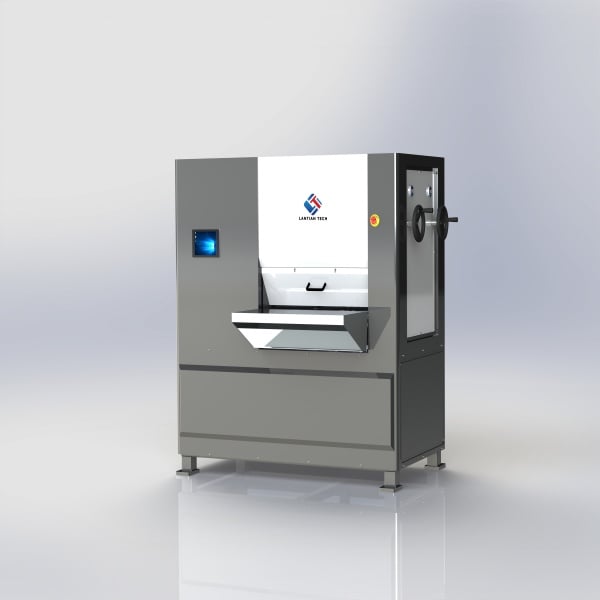
Heavy industrial manufacturing demands precise metal forming capabilities that can handle substantial material thicknesses while maintaining strict dimensional tolerances. The thick plate leveling machine has emerged as an indispensable solution for addressing the complex challenges of metal deformation in large-scale production environments. These sophisticated systems deliver the mechanical precision necessary to transform raw steel plates into perfectly flat components that meet stringent industrial specifications.
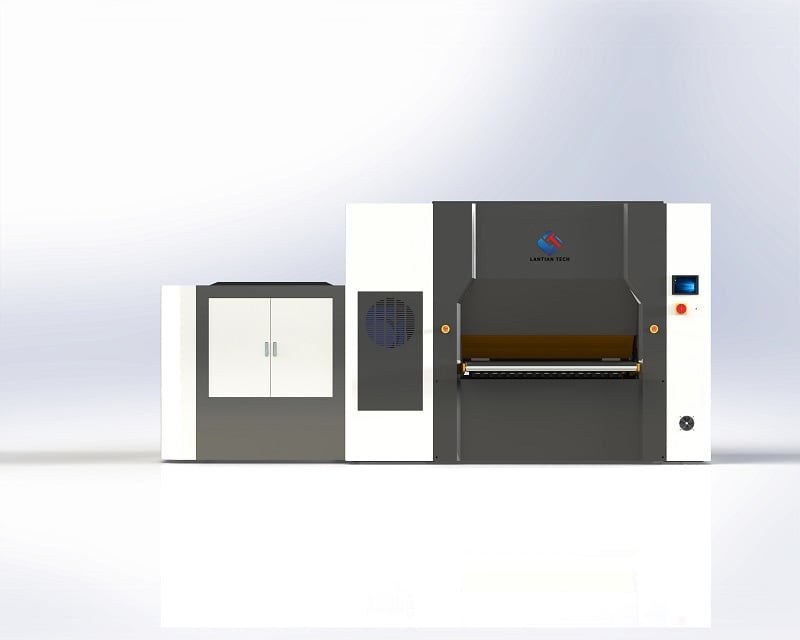
Understanding why thick plate leveling machine systems have become fundamental to heavy industry operations requires examining the specific material challenges that traditional methods cannot adequately address. Industrial sectors including shipbuilding, structural steel fabrication, and heavy machinery manufacturing rely on these systems to achieve the flatness standards that ensure structural integrity and dimensional accuracy in critical applications. The economic and operational advantages of implementing thick plate leveling machine technology directly impact production efficiency and product quality outcomes.
Critical Material Challenges in Heavy Industry Manufacturing
Inherent Stress Patterns in Thick Steel Plates
Steel plates used in heavy industry applications typically range from 10mm to 150mm in thickness, creating substantial internal stress patterns that develop during the rolling and cooling processes. These residual stresses manifest as warping, bowing, and dimensional inconsistencies that compromise the structural integrity of finished components. The thick plate leveling machine addresses these fundamental material issues by applying controlled pressure through multiple work rolls that systematically redistribute internal stresses throughout the material cross-section.
Manufacturing processes in steel mills inherently introduce thermal gradients that create non-uniform cooling rates across plate thickness. This differential cooling generates complex stress distributions that cannot be eliminated through conventional heating or mechanical processing methods. Industrial applications requiring precise dimensional control depend on thick plate leveling machine systems to counteract these inherent material characteristics through mechanical deformation principles.
Dimensional Tolerance Requirements in Structural Applications
Heavy industry sectors operate under strict dimensional tolerance specifications that often require flatness deviations of less than 2mm per meter of plate length. Shipbuilding applications, for example, demand exceptional flatness to ensure proper hull assembly and structural performance under marine loading conditions. The thick plate leveling machine provides the mechanical capability to achieve these demanding tolerance requirements through precise roller pressure distribution and controlled material deformation.
Structural steel fabrication for bridges, buildings, and industrial facilities requires plate components that maintain consistent geometry throughout the fabrication process. Welding operations on non-flat plates introduce additional distortion that compounds existing dimensional problems, leading to costly rework and assembly difficulties. Thick plate leveling machine systems eliminate these upstream dimensional issues by ensuring plate flatness before fabrication begins.
Operational Efficiency Drivers in Heavy Manufacturing
Production Throughput Optimization
Heavy industry manufacturing operations prioritize production efficiency to maintain competitive positioning and meet delivery schedules. Thick plate leveling machine systems process materials at speeds ranging from 5 to 25 meters per minute, depending on plate thickness and desired flatness specifications. This processing capability significantly exceeds manual correction methods and reduces the labor intensity required for achieving dimensional compliance in large-scale production environments.
Integration of thick plate leveling machine technology into existing production workflows eliminates bottlenecks associated with manual plate preparation and correction procedures. Automated operation reduces handling requirements and minimizes material damage risks that can occur during manual straightening attempts. The continuous processing capability of these systems supports high-volume production requirements while maintaining consistent quality standards across all processed materials.
Quality Consistency Across Production Batches
Manufacturing operations in heavy industry require consistent material properties across large production volumes to ensure predictable performance in end-use applications. Thick plate leveling machine systems deliver repeatable results through programmable pressure settings and automated control systems that eliminate human variability factors. This consistency is particularly critical for applications where material performance directly impacts safety and structural reliability.
Quality control processes in heavy industry manufacturing rely on statistical process control methods that require consistent input materials. The thick plate leveling machine provides the foundation for these quality systems by ensuring that all processed plates meet identical flatness and dimensional specifications. This consistency reduces downstream variation and supports lean manufacturing principles throughout the production process.
Economic Value Proposition in Industrial Operations
Reduction of Material Waste and Rework
Heavy industry operations face significant material costs that can represent 60-70% of total production expenses. Non-flat plates often require extensive rework or complete replacement when dimensional tolerances cannot be achieved through secondary operations. Thick plate leveling machine systems eliminate these waste sources by processing materials to final specifications in a single pass, reducing material consumption and associated costs.
Fabrication operations on improperly prepared plates frequently result in welding defects, assembly misalignments, and structural integrity issues that require costly correction procedures. The thick plate leveling machine prevents these downstream problems by ensuring proper plate preparation before fabrication begins. This prevention approach delivers substantial cost savings compared to correction activities after fabrication completion.
Labor Cost Optimization and Safety Enhancement
Manual plate straightening operations require skilled labor and present significant safety risks due to heavy material handling requirements and high-force correction procedures. Thick plate leveling machine systems automate these processes, reducing labor requirements while eliminating exposure to manual handling hazards. The automation capability supports workforce productivity improvements and reduces insurance and safety compliance costs.
Operator training requirements for thick plate leveling machine systems are substantially lower than those required for manual correction techniques. Automated control systems with preset programs enable consistent operation with minimal operator expertise, reducing training costs and supporting flexible workforce deployment. This operational simplicity contributes to overall manufacturing cost reduction and operational flexibility.
Technical Performance Advantages in Material Processing
Stress Relief and Material Property Enhancement
The controlled deformation process employed by thick plate leveling machine systems provides beneficial stress relief effects that improve material machinability and welding characteristics. Residual stress reduction through mechanical leveling creates more predictable material behavior during subsequent processing operations. This stress management capability is particularly valuable for applications requiring precise machining or complex welding procedures.
Material property improvements achieved through thick plate leveling machine processing include enhanced dimensional stability and reduced susceptibility to distortion during thermal processing. These property enhancements directly support manufacturing process reliability and end-product performance in demanding applications. The mechanical working effect also contributes to grain structure refinement in certain steel grades, providing additional material property benefits.
Surface Quality and Preparation Benefits
Heavy industry applications often require specific surface conditions for optimal coating adhesion or subsequent processing operations. Thick plate leveling machine systems can simultaneously address flatness requirements while improving surface texture through controlled roller contact. This dual-function capability eliminates separate surface preparation steps and reduces overall processing time requirements.
Scale removal and surface conditioning effects achieved during thick plate leveling machine processing improve the effectiveness of downstream operations including painting, galvanizing, and machining. The mechanical action of the leveling process creates consistent surface conditions that support uniform coating application and enhanced adhesion characteristics. These surface quality improvements contribute to longer service life and improved performance in corrosive environments.
Industry-Specific Applications and Requirements
Shipbuilding and Marine Industry Applications
Shipbuilding operations demand exceptional plate flatness to ensure proper hull geometry and structural integrity under marine loading conditions. Thick plate leveling machine systems support these requirements by processing steel plates ranging from 15mm to 80mm thickness with flatness tolerances of 1-2mm per meter. The marine environment's corrosive nature requires precise fit-up conditions that can only be achieved through proper plate preparation using advanced leveling technology.
Hull construction procedures rely on accurate plate dimensions to maintain proper spacing for welding operations and ensure structural continuity throughout the vessel. Thick plate leveling machine processing eliminates dimensional variations that could compromise welding quality or create stress concentration points. The improved dimensional accuracy supports advanced welding techniques and reduces the risk of weld defects that could impact vessel safety and performance.
Structural Steel and Construction Industry Requirements
Building and bridge construction projects require steel plates that maintain dimensional stability throughout fabrication and installation processes. Thick plate leveling machine systems process structural steel plates to meet architectural and engineering specifications while supporting efficient fabrication workflows. The flatness achieved through proper leveling ensures accurate fit-up during assembly and reduces construction time requirements.
Seismic design requirements in earthquake-prone regions demand precise dimensional control in structural steel components to ensure proper load transfer and energy dissipation characteristics. Thick plate leveling machine processing provides the dimensional accuracy necessary for these critical applications while supporting advanced connection designs that rely on precise geometry for optimal performance. The reliability of leveling machine processing supports the stringent quality requirements of modern structural engineering.
FAQ
What thickness range can thick plate leveling machines effectively process?
Thick plate leveling machines typically handle material thicknesses ranging from 8mm to 150mm, depending on the specific machine configuration and steel grade being processed. Heavy-duty industrial systems can accommodate even thicker materials with appropriate roller configuration and hydraulic pressure capability adjustments.
How does thick plate leveling machine processing affect material properties?
The controlled deformation process provides beneficial stress relief while maintaining the original material strength properties. The mechanical working action can improve dimensional stability and reduce residual stresses without compromising the steel's structural integrity or metallurgical characteristics.
What are the typical flatness tolerances achievable with thick plate leveling machines?
Modern thick plate leveling machines can achieve flatness tolerances of 1-3mm per meter of plate length, depending on the original plate condition, material thickness, and specific machine capabilities. Advanced systems with precision control can achieve even tighter tolerances for critical applications.
How do thick plate leveling machines integrate with existing production workflows?
These systems typically integrate upstream of fabrication operations to ensure proper material preparation before cutting, welding, or machining processes begin. The continuous processing capability supports high-volume production requirements while maintaining workflow efficiency and material handling optimization.
Table of Contents
- Critical Material Challenges in Heavy Industry Manufacturing
- Operational Efficiency Drivers in Heavy Manufacturing
- Economic Value Proposition in Industrial Operations
- Technical Performance Advantages in Material Processing
- Industry-Specific Applications and Requirements
-
FAQ
- What thickness range can thick plate leveling machines effectively process?
- How does thick plate leveling machine processing affect material properties?
- What are the typical flatness tolerances achievable with thick plate leveling machines?
- How do thick plate leveling machines integrate with existing production workflows?