
 EN
EN
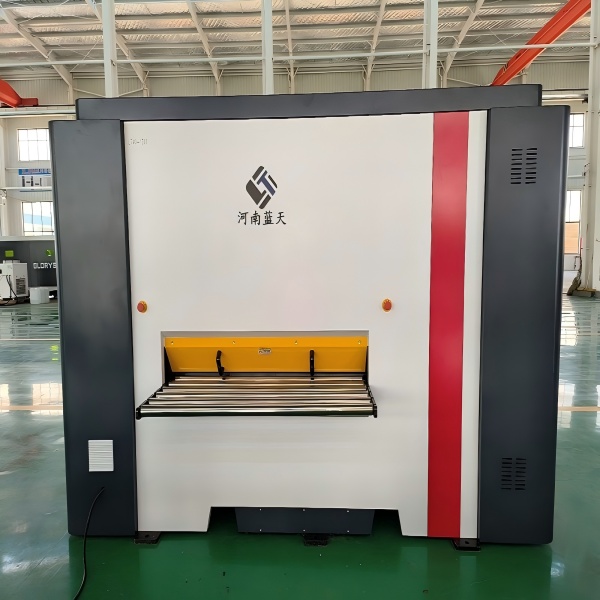
Manufacturing industries require exceptional plate flatness to achieve precise assembly tolerances, reduce material waste, and ensure consistent product quality. The cnc fourfold precision leveling machine addresses these critical requirements through advanced mechanical engineering that transforms warped, bent, or uneven metal plates into perfectly flat surfaces with measurable accuracy improvements.
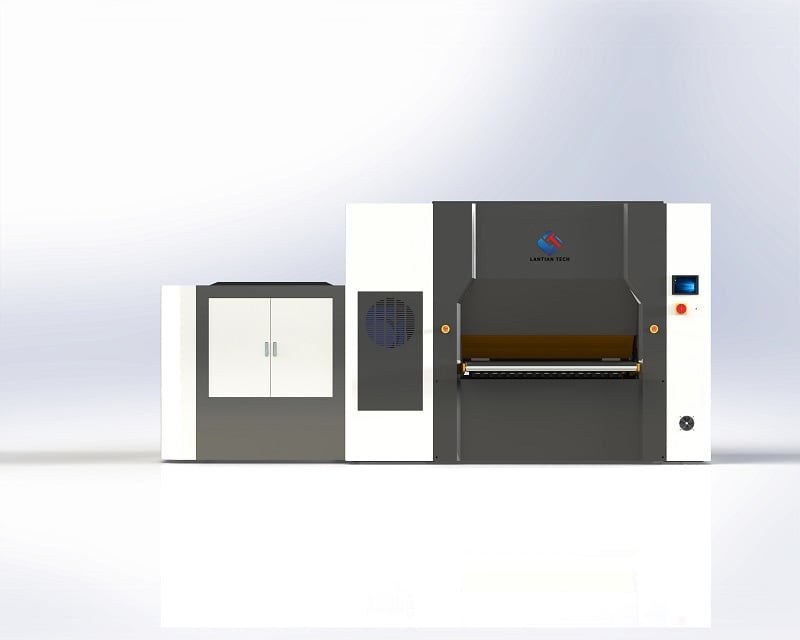
Understanding how a cnc fourfold precision leveling machine improves plate flatness requires examining its sophisticated four-roller mechanism, computerized control systems, and pressure distribution technology. This equipment operates through precise mechanical leverage that systematically eliminates internal stress patterns while maintaining material integrity throughout the leveling process.
Four-Roller Mechanical Advantage System
Distributed Pressure Point Configuration
The cnc fourfold precision leveling machine utilizes four strategically positioned rollers that create multiple contact points across the plate surface. This configuration distributes leveling forces evenly, preventing localized stress concentrations that could cause material damage or create new distortions. Each roller applies controlled pressure based on real-time feedback from position sensors and load monitoring systems.
The four-roller arrangement enables simultaneous correction of multiple deformation types including bow, twist, edge wave, and center buckle. Unlike traditional two-roller systems, this advanced configuration addresses complex stress patterns that occur in modern high-strength alloys and composite materials used in aerospace, automotive, and precision manufacturing applications.
Progressive Stress Relief Methodology
Each pass through the cnc fourfold precision leveling machine progressively reduces internal stress concentrations through controlled plastic deformation. The system calculates optimal roller gap settings, feed rates, and pressure applications based on material properties, thickness specifications, and initial flatness measurements. This progressive approach prevents over-correction while achieving target flatness tolerances.
The machine's stress relief process works by inducing controlled micro-yielding in areas where residual stresses exceed material yield strength. This systematic approach eliminates the root causes of plate distortion rather than simply forcing material into temporary flat configurations that may spring back after processing.
Computer Numerical Control Integration
Real-Time Flatness Measurement
Advanced cnc fourfold precision leveling machine systems incorporate laser scanning technology and precision measuring devices that continuously monitor plate flatness during the leveling process. These measurement systems detect variations as small as 0.001 inches across plate surfaces up to several feet in width, providing the data necessary for automated correction algorithms.
The CNC control system processes flatness data in real-time, adjusting roller positions, pressure settings, and feed rates automatically to compensate for material variations. This closed-loop control eliminates human error and ensures consistent results regardless of operator experience or material condition variations between different plates.
Adaptive Processing Parameters
Modern cnc fourfold precision leveling machine systems store processing parameters for hundreds of different material grades, thickness ranges, and flatness requirements. The control system automatically selects optimal settings based on material identification inputs, reducing setup time and eliminating guesswork in parameter selection.
The adaptive control algorithms learn from processing results, continuously refining parameter selections to improve flatness outcomes. This machine learning capability enables the system to handle challenging materials and complex geometry requirements that would be difficult to process with fixed parameter settings.
Hydraulic Force Distribution Technology
Precision Pressure Control
The hydraulic system in a cnc fourfold precision leveling machine provides precise force control across each roller position. Servo-controlled hydraulic actuators adjust pressure in increments as small as 1 PSI, enabling fine-tuned control over the leveling process. This precision prevents material damage while ensuring adequate force application for effective stress relief.
Independent hydraulic control for each roller allows the system to accommodate plates with varying thickness or material properties across their width. The machine can apply different pressure levels to different areas of the same plate, addressing localized distortions without affecting properly flat sections.
Dynamic Load Compensation
Advanced hydraulic systems in cnc fourfold precision leveling machine installations include dynamic load compensation that adjusts for material spring-back and elastic recovery during processing. The system monitors actual deformation versus applied force, automatically increasing pressure when materials exhibit high elastic modulus characteristics.
This dynamic compensation capability enables effective processing of materials ranging from soft aluminum alloys to high-strength steels and exotic alloys. The system prevents under-correction in hard materials while avoiding over-processing in softer grades that might be damaged by excessive force application.
Material Flow and Feeding Mechanisms
Continuous Processing Workflow
The cnc fourfold precision leveling machine incorporates sophisticated material handling systems that maintain consistent plate positioning throughout the leveling process. Powered feed rolls ensure steady material advance at programmed speeds, preventing variations that could affect flatness results. Entry and exit tables support long plates to prevent sagging or distortion during processing.
Continuous processing capability allows the machine to handle coiled materials, long plates, and production runs without interruption. The system maintains leveling quality consistency from the first inch to the last inch of processed material, eliminating the edge effects and quality variations common in batch processing equipment.
Edge Wave Elimination
Specialized edge treatment capabilities in cnc fourfold precision leveling machine designs address edge wave distortions that commonly occur in rolled and formed plates. The four-roller configuration provides independent control over edge regions, applying targeted pressure to eliminate waves while maintaining overall plate flatness.
Edge wave correction requires precise coordination between multiple rollers to avoid creating new distortions while eliminating existing ones. The CNC control system calculates optimal pressure gradients from plate center to edges, ensuring smooth transitions that maintain structural integrity throughout the plate width.
Quality Measurement and Verification
Post-Processing Flatness Verification
Modern cnc fourfold precision leveling machine installations include integrated flatness measurement stations that verify processing results immediately after leveling. These systems use laser interferometry or precision mechanical gauging to confirm that processed plates meet specified flatness tolerances before material leaves the machine.
Automatic rejection systems remove plates that do not meet flatness specifications, routing them back through the leveling process for additional correction. This closed-loop quality control ensures that only properly flattened materials proceed to downstream manufacturing operations, eliminating costly rework and assembly problems.
Statistical Process Control
Advanced cnc fourfold precision leveling machine systems maintain detailed processing records that track flatness improvements, processing parameters, and quality trends over time. This data enables continuous process optimization and predictive maintenance scheduling based on actual equipment performance rather than arbitrary time intervals.
Statistical analysis of processing data helps identify optimal parameter combinations for different material types and flatness requirements. The system can automatically recommend parameter adjustments to improve processing efficiency while maintaining quality standards, reducing material waste and increasing throughput.
FAQ
What flatness tolerances can a CNC fourfold precision leveling machine achieve?
A cnc fourfold precision leveling machine typically achieves flatness tolerances ranging from 0.002 to 0.010 inches per foot of plate length, depending on material properties and initial condition. High-strength steels and aluminum alloys commonly reach tolerances of 0.003 inches per foot, while softer materials may achieve even tighter specifications under optimal processing conditions.
How does the four-roller system compare to traditional two-roller leveling equipment?
The four-roller configuration in a cnc fourfold precision leveling machine provides superior stress distribution and correction capability compared to two-roller systems. The additional contact points enable simultaneous correction of multiple distortion types, reduce processing passes required, and achieve better flatness consistency across varying material conditions and plate geometries.
Can CNC fourfold precision leveling machines process different material thicknesses without setup changes?
Modern cnc fourfold precision leveling machine designs incorporate automatic thickness adjustment systems that accommodate material thickness variations from 0.5mm to 50mm without manual setup changes. The CNC control system automatically adjusts roller positions, pressure settings, and feed rates based on thickness measurements from integrated sensors, enabling continuous processing of mixed material lots.
What maintenance requirements are necessary for optimal cnc fourfold precision leveling machine performance?
Regular maintenance for a cnc fourfold precision leveling machine includes hydraulic system inspection, roller surface conditioning, and calibration verification typically performed every 500 processing hours. Preventive maintenance schedules based on actual usage data help maintain processing accuracy and extend equipment service life while minimizing unplanned downtime that could affect production schedules.
Table of Contents
- Four-Roller Mechanical Advantage System
- Computer Numerical Control Integration
- Hydraulic Force Distribution Technology
- Material Flow and Feeding Mechanisms
- Quality Measurement and Verification
-
FAQ
- What flatness tolerances can a CNC fourfold precision leveling machine achieve?
- How does the four-roller system compare to traditional two-roller leveling equipment?
- Can CNC fourfold precision leveling machines process different material thicknesses without setup changes?
- What maintenance requirements are necessary for optimal cnc fourfold precision leveling machine performance?