
 EN
EN
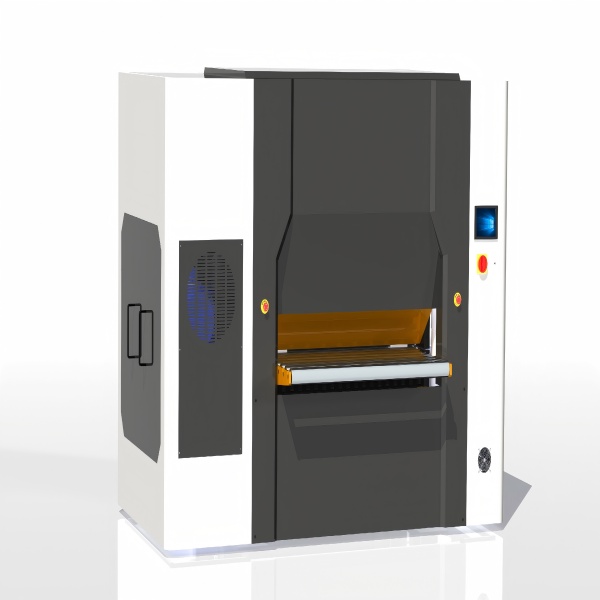
Yes, a cnc fourfold precision leveling machine can effectively handle different plate thicknesses, making it a versatile solution for metal processing operations that work with varying material specifications. Modern cnc fourfold precision leveling machine designs incorporate sophisticated control systems and adjustable mechanical components that automatically adapt to thickness variations, ensuring consistent leveling performance across a wide range of plate dimensions without requiring manual recalibration for each thickness change.
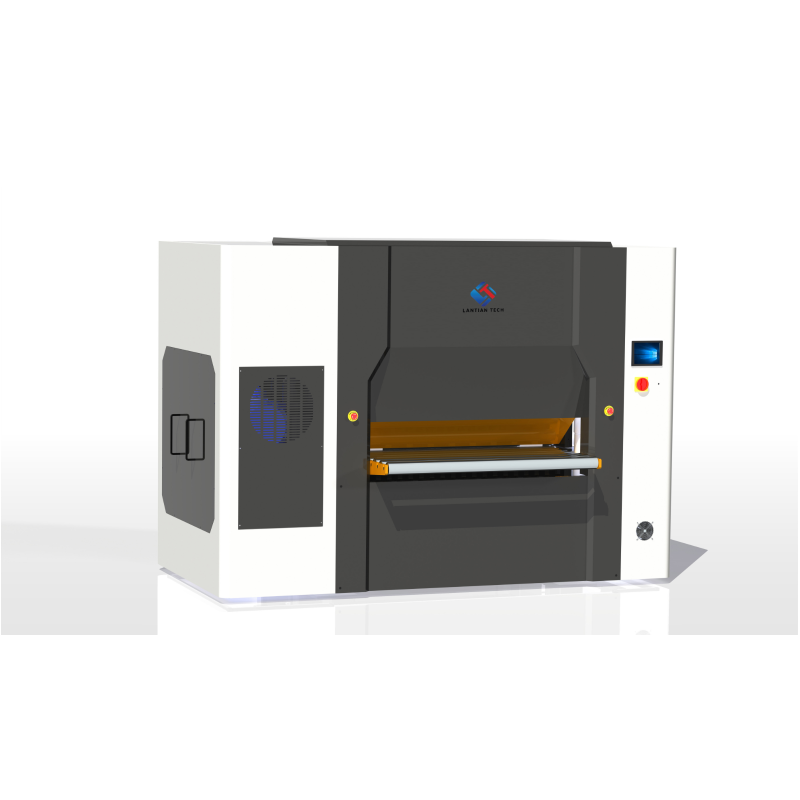
The thickness adaptability of a cnc fourfold precision leveling machine depends on several critical factors including the machine's mechanical design limitations, control system sophistication, and the specific thickness range specified by the manufacturer. While these machines demonstrate remarkable flexibility in processing plates from thin gauge materials to heavy structural components, understanding the operational parameters and adjustment mechanisms is essential for maximizing their effectiveness across different thickness applications in industrial manufacturing environments.
Thickness Range Capabilities and Mechanical Limitations
Standard Operating Thickness Parameters
A cnc fourfold precision leveling machine typically operates within a manufacturer-specified thickness range that defines its optimal performance boundaries. Most industrial-grade cnc fourfold precision leveling machine models can process plates ranging from 0.5mm thin gauge materials up to 50mm or more for heavy structural applications. The four-point leveling configuration provides superior thickness adaptation compared to traditional two-point systems because the additional contact points distribute pressure more evenly across varying plate thicknesses.
The mechanical design of a cnc fourfold precision leveling machine incorporates adjustable pressure rollers and positioning systems that automatically compensate for thickness variations through precision servo motors and feedback sensors. These systems continuously monitor plate thickness during processing and make real-time adjustments to maintain consistent leveling pressure and contact geometry. The ability to handle different thicknesses without manual intervention significantly improves productivity in manufacturing environments where plate specifications frequently change.
Critical thickness limitations exist based on the machine's structural capacity, motor torque specifications, and hydraulic pressure capabilities. Exceeding these thickness parameters can result in inadequate leveling performance, excessive wear on mechanical components, or potential damage to both the machine and processed materials. Understanding these limitations ensures optimal performance and prevents costly operational issues.
Automatic Thickness Detection and Adjustment
Modern cnc fourfold precision leveling machine systems utilize advanced thickness detection technologies including laser measurement sensors, mechanical probe systems, and ultrasonic thickness gauges to automatically identify incoming plate dimensions. These detection systems communicate with the machine's control unit to instantly adjust roller positions, pressure settings, and feed rates based on the detected thickness. This automation eliminates the need for manual thickness input and reduces setup time between different plate specifications.
The automatic adjustment capability of a cnc fourfold precision leveling machine extends beyond simple roller positioning to include sophisticated pressure modulation that accounts for material properties at different thicknesses. Thinner plates require more delicate handling to prevent deformation, while thicker materials need increased pressure to achieve effective stress relief and flatness correction. The control system automatically calculates optimal parameters based on thickness measurements and pre-programmed material databases.
Integration with upstream and downstream equipment allows the cnc fourfold precision leveling machine to receive thickness information from preceding processes such as cutting or forming operations. This data sharing capability enables seamless thickness adaptation without interrupting production flow, making it particularly valuable in high-volume manufacturing environments where multiple plate thicknesses are processed sequentially.
Control System Configuration for Variable Thickness Processing
Programming and Parameter Management
The control system of a cnc fourfold precision leveling machine stores multiple parameter sets corresponding to different thickness ranges and material types, allowing operators to quickly recall optimal settings for specific applications. These parameter sets include roller pressure values, feed speeds, multiple pass requirements, and safety margins that have been optimized for different thickness categories. The ability to store and recall these configurations significantly reduces setup time and ensures consistent results across varying plate specifications.
Advanced cnc fourfold precision leveling machine control systems feature adaptive learning capabilities that automatically refine processing parameters based on historical performance data and real-time feedback from thickness sensors and quality measurement systems. This continuous optimization improves processing accuracy for different thicknesses over time and helps identify optimal settings for new material specifications that may not have established parameter sets.
Operator interface design on modern cnc fourfold precision leveling machine systems provides intuitive thickness selection menus and automatic parameter loading functions that minimize the potential for setup errors. Visual indicators show current thickness readings, selected parameter sets, and any thickness-related warnings or recommendations, ensuring operators maintain awareness of thickness-specific processing requirements throughout production operations.
Real-Time Monitoring and Feedback Systems
Continuous thickness monitoring during operation allows a cnc fourfold precision leveling machine to detect and respond to thickness variations that may occur within individual plates or across different sections of the same material. Wedge-shaped plates, tapered sections, or materials with thickness inconsistencies require dynamic adjustment of processing parameters to maintain leveling quality throughout the entire plate surface.
Feedback systems in cnc fourfold precision leveling machine installations provide real-time data on processing effectiveness for different thicknesses, enabling operators to identify potential issues before they affect product quality. Force sensors, deflection measurements, and post-processing flatness verification systems contribute to a comprehensive monitoring approach that ensures thickness adaptability translates into consistent leveling performance.
Integration with quality management systems allows cnc fourfold precision leveling machine operators to track thickness-specific performance metrics and identify trends that may indicate the need for parameter adjustments or maintenance activities. This data-driven approach to thickness management improves long-term reliability and processing accuracy across the full range of supported plate dimensions.
Material Considerations and Thickness-Specific Processing Requirements
Material Properties Impact on Thickness Processing
Different materials exhibit varying responses to leveling forces based on their thickness, making material-specific parameter adjustment essential for optimal cnc fourfold precision leveling machine performance. Thin stainless steel plates require different pressure and feed rate settings compared to thick carbon steel plates of the same material grade due to differences in structural rigidity and stress distribution characteristics at varying thicknesses.
The relationship between material thickness and required leveling force follows complex engineering principles that modern cnc fourfold precision leveling machine control systems account for through advanced calculation algorithms. These systems consider factors such as material yield strength, elastic modulus, and work hardening characteristics to determine optimal processing parameters for each thickness-material combination, ensuring effective stress relief without causing material damage.
Specialized thickness ranges may require unique processing approaches, such as multiple-pass strategies for very thick materials or reduced pressure settings for thin, high-strength alloys. A cnc fourfold precision leveling machine with comprehensive thickness capability must accommodate these material-specific requirements through flexible parameter programming and adaptive control functions.
Edge Effect Management Across Different Thicknesses
Edge effects during leveling operations vary significantly with plate thickness, requiring thickness-specific edge support and pressure distribution strategies in cnc fourfold precision leveling machine designs. Thin plates are more susceptible to edge distortion and require careful edge support to prevent deformation during processing, while thick plates may need increased edge pressure to ensure uniform stress relief across the entire plate width.
The four-point contact configuration of a cnc fourfold precision leveling machine provides inherent advantages for managing edge effects across different thicknesses because the distributed contact points reduce concentrated loading that could cause edge deformation. However, optimal edge management still requires thickness-specific adjustment of contact pressure and positioning to accommodate the varying structural characteristics of different plate dimensions.
Advanced cnc fourfold precision leveling machine systems incorporate edge detection sensors and variable edge support mechanisms that automatically adjust based on detected plate thickness and width dimensions. These systems ensure consistent edge quality across the full range of supported thicknesses while preventing the edge distortion issues that can occur when processing parameters are not properly matched to material dimensions.
Operational Benefits and Production Efficiency
Versatility in Manufacturing Environments
The thickness adaptability of a cnc fourfold precision leveling machine provides significant operational flexibility in manufacturing environments that process diverse plate specifications. Job shops, structural fabrication facilities, and sheet metal processing operations benefit from the ability to handle multiple thickness ranges without requiring different leveling equipment for each application, reducing capital equipment requirements and floor space utilization.
Production scheduling flexibility improves dramatically when a cnc fourfold precision leveling machine can seamlessly transition between different plate thicknesses without extended setup times or manual recalibration procedures. This capability enables manufacturers to accept orders with varying thickness requirements and optimize production sequences based on delivery schedules rather than thickness-related setup constraints.
Inventory management advantages result from the ability to process different plate thicknesses as needed rather than maintaining separate processing capabilities for each thickness range. A cnc fourfold precision leveling machine with comprehensive thickness capability allows manufacturers to maintain more diverse raw material inventory while ensuring consistent leveling quality across all specifications.
Quality Consistency Across Thickness Variations
Maintaining consistent leveling quality across different plate thicknesses requires sophisticated control systems and mechanical design features that are integral to modern cnc fourfold precision leveling machine installations. The four-point contact configuration provides superior thickness adaptation compared to simpler leveling systems because it maintains more consistent pressure distribution and contact geometry across varying plate dimensions.
Quality assurance protocols for thickness-variable processing include thickness-specific acceptance criteria and measurement procedures that account for the different leveling requirements of various plate dimensions. A cnc fourfold precision leveling machine with proper thickness capability should produce consistent flatness results within specified tolerances regardless of the processed thickness, maintaining quality standards across the full operational range.
Documentation and traceability systems track processing parameters and quality results for different thickness applications, enabling continuous improvement of thickness-specific processing procedures and identification of optimal settings for new material specifications. This systematic approach ensures that thickness adaptability translates into reliable quality performance for all processed materials.
FAQ
What is the typical thickness range that a CNC fourfold precision leveling machine can handle?
Most industrial cnc fourfold precision leveling machine models can process plates ranging from 0.5mm to 50mm or more, depending on the specific machine design and manufacturer specifications. The actual range varies based on factors such as material type, required leveling quality, and machine structural capacity. Advanced models may extend this range further with specialized configurations for either very thin gauge materials or extremely thick structural plates.
How does the machine automatically adjust for different plate thicknesses?
A cnc fourfold precision leveling machine uses thickness detection sensors, servo-controlled roller positioning systems, and automated pressure adjustment mechanisms to adapt to different plate dimensions. The control system receives thickness measurements and automatically selects appropriate processing parameters from pre-programmed settings, adjusting roller positions, pressure levels, and feed rates without manual intervention to ensure optimal leveling performance for each thickness.
Can thickness variations within a single plate be handled effectively?
Yes, modern cnc fourfold precision leveling machine systems can handle thickness variations within individual plates through continuous thickness monitoring and dynamic parameter adjustment. Real-time feedback sensors detect thickness changes as the plate moves through the machine and automatically modify processing parameters to maintain consistent leveling quality across wedge-shaped plates, tapered sections, or materials with thickness inconsistencies.
What factors limit the thickness capability of a CNC fourfold precision leveling machine?
The thickness capability is primarily limited by mechanical structural capacity, motor torque specifications, hydraulic pressure limits, and safety considerations. Additionally, material properties such as yield strength and hardness affect the maximum processable thickness, as harder materials require more leveling force. The machine's frame rigidity and roller design also determine the practical thickness limits for maintaining processing accuracy and preventing equipment damage.
Table of Contents
- Thickness Range Capabilities and Mechanical Limitations
- Control System Configuration for Variable Thickness Processing
- Material Considerations and Thickness-Specific Processing Requirements
- Operational Benefits and Production Efficiency
-
FAQ
- What is the typical thickness range that a CNC fourfold precision leveling machine can handle?
- How does the machine automatically adjust for different plate thicknesses?
- Can thickness variations within a single plate be handled effectively?
- What factors limit the thickness capability of a CNC fourfold precision leveling machine?