
 EN
EN
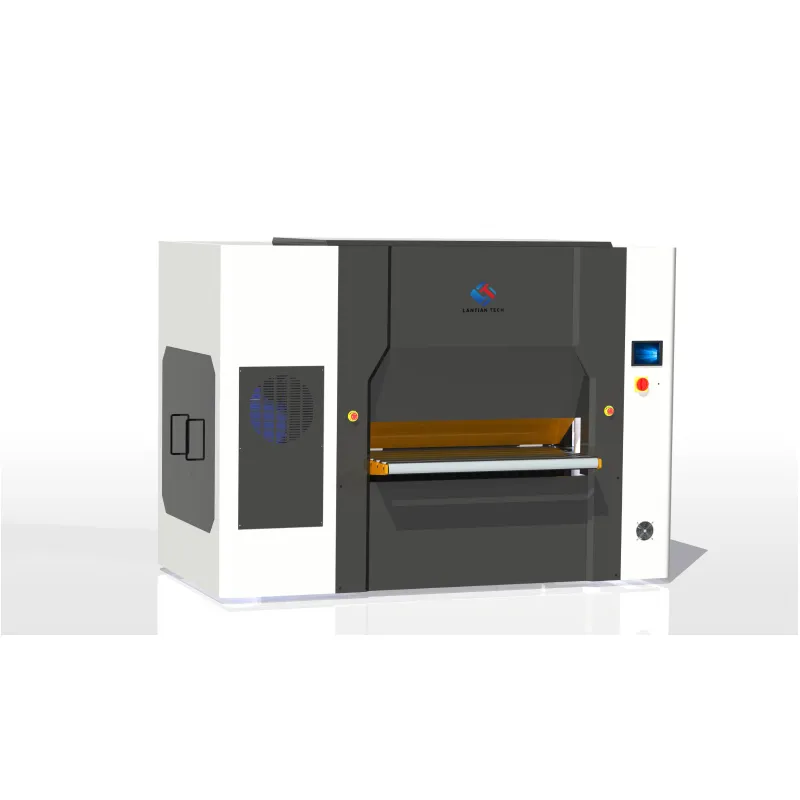
Manufacturing operations that demand exceptional flatness and dimensional accuracy increasingly rely on advanced leveling technologies to meet stringent quality standards. The CNC fourfold precision leveling machine represents a significant technological advancement in metal forming, specifically engineered to eliminate material distortions, residual stresses, and surface irregularities that compromise part quality. Understanding what enables this equipment to achieve superior accuracy requires examining the mechanical, control, and process innovations that distinguish it from conventional leveling systems. These machines integrate multi-roller configurations, computerized numerical control, and adaptive force distribution to deliver consistent results across diverse materials and thicknesses.
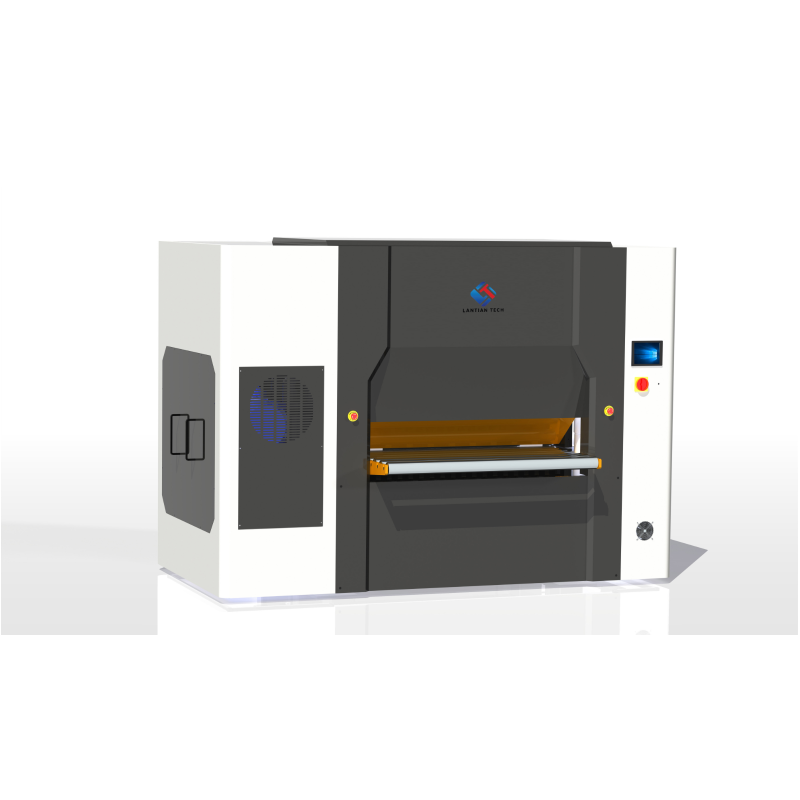
The accuracy enhancement capabilities of the CNC fourfold precision leveling machine stem from several interconnected technical factors that work synergistically to correct material defects. Unlike traditional three-roller or manual leveling equipment, the fourfold configuration creates multiple deformation zones that progressively reduce internal stresses while maintaining precise dimensional control. This architectural approach, combined with real-time monitoring and adjustment capabilities, enables manufacturers to achieve flatness tolerances that were previously unattainable or economically unfeasible. The following analysis explores the specific mechanisms, design features, and operational principles that empower this technology to transform material processing accuracy in industrial applications.
Mechanical Architecture and Roller Configuration Principles
Fourfold Roller System Design Foundation
The fundamental architecture of the CNC fourfold precision leveling machine centers on its four-roller arrangement, which creates a distinct mechanical advantage over conventional designs. This configuration positions two sets of opposing rollers that engage the material simultaneously, generating controlled bending moments that neutralize residual stresses. The upper and lower roller pairs work in coordinated fashion to apply precise pressure distributions across the material width, ensuring uniform correction without introducing new distortions. This mechanical layout enables the system to process materials with varying thickness profiles while maintaining consistent contact pressure across the entire working width.
Each roller in the fourfold system serves a specific function within the overall leveling process. The entry rollers initiate the correction sequence by applying calculated deformation that exceeds the material's yield strength, while the exit rollers provide final calibration to achieve target flatness specifications. The spacing between roller pairs is engineered based on material properties and thickness ranges, creating optimal bending radii that maximize stress relief without causing surface damage. This geometric relationship between roller diameter, spacing, and material engagement determines the machine's capacity to handle different alloy compositions and hardness levels effectively.
The roller surface finish and diameter precision directly influence the accuracy outcomes achievable with a CNC fourfold precision leveling machine. Manufacturers specify ground and polished roller surfaces with minimal runout tolerances to prevent marking or scratching during material transit. Larger diameter rollers reduce contact stress concentrations and enable gentler bending cycles that preserve material surface integrity. The hardened roller materials, typically through-hardened alloy steels or surface-treated compositions, maintain dimensional stability under continuous loading cycles, preventing deflection that would compromise leveling precision over extended production runs.
Support Structure and Frame Rigidity Contributions
The structural frame supporting the roller assemblies plays an equally critical role in enabling accuracy enhancement. High-rigidity welded steel construction or cast iron frames resist deflection under the substantial forces generated during leveling operations. This structural integrity ensures that roller positioning remains stable and consistent regardless of material thickness or hardness variations. Frame designs incorporate finite element analysis optimization to identify and reinforce stress concentration zones, preventing micro-deflections that would translate into dimensional variations in processed materials.
Precision linear guides and bearing systems within the frame structure allow controlled roller position adjustments while maintaining perfect parallelism. The CNC fourfold precision leveling machine utilizes pre-loaded ball screw mechanisms or hydraulic positioning systems that enable micrometer-level adjustments to roller gaps. These adjustment mechanisms incorporate position feedback sensors that continuously verify actual roller positions against commanded settings, compensating for thermal expansion or mechanical wear. The combination of rigid framework and precision adjustment capability creates the foundation necessary for repeatable accuracy across production batches.
Vibration damping features integrated into the machine base further contribute to accuracy by minimizing dynamic disturbances during operation. Isolated mounting systems or dampening pads reduce the transmission of environmental vibrations from factory floors into the leveling process. This vibration isolation becomes particularly important when processing thin-gauge materials that exhibit sensitivity to minor force fluctuations. The structural design considerations extend beyond simple strength calculations to encompass dynamic response characteristics that influence the machine's ability to maintain precise control during actual production conditions.
CNC Control Systems and Adaptive Process Management
Real-Time Position Control and Feedback Integration
The computerized numerical control system distinguishes the CNC fourfold precision leveling machine from manually operated equipment by enabling precise, repeatable roller positioning based on programmed parameters. Advanced servo motor systems drive the roller adjustment mechanisms, responding to control commands with resolution measured in micrometers. These positioning systems incorporate closed-loop feedback from linear encoders or resolver sensors that continuously monitor actual roller positions, comparing them against target settings and initiating corrective adjustments when deviations occur. This feedback architecture eliminates positioning errors that would otherwise accumulate during extended production runs.
The control software integrates material property databases that guide initial setup parameters based on alloy type, thickness, and incoming flatness condition. Operators input material specifications, and the system automatically calculates optimal roller gaps, entry angles, and feed speeds to achieve target flatness outcomes. This knowledge-based approach reduces setup time while ensuring consistent results across different material batches. The CNC fourfold precision leveling machine stores process recipes for frequently processed materials, enabling rapid changeovers without requiring extensive manual recalibration or trial-and-error adjustments.
Adaptive control algorithms represent the most sophisticated accuracy enhancement feature in modern systems. These algorithms analyze real-time sensor data from flatness measurement systems positioned at the machine exit, comparing actual results against programmed tolerances. When deviations are detected, the control system automatically adjusts roller positions, feed speeds, or applied forces to correct the process dynamically. This adaptive capability compensates for material property variations within coils or sheets, maintaining consistent output quality despite incoming material inconsistencies that would overwhelm static process settings.
Force Distribution and Pressure Profiling Capabilities
Beyond simple position control, advanced CNC fourfold precision leveling machine designs incorporate force monitoring and control capabilities that optimize pressure distribution across the material width. Load cells integrated into roller support structures measure applied forces in real-time, enabling the control system to verify that actual leveling pressures match calculated requirements. This force feedback becomes particularly valuable when processing materials with width-direction thickness variations, where uniform roller gaps alone cannot ensure consistent leveling action across the entire sheet width.
Segmented roller designs with independent pressure zones allow differential force application across the material width, compensating for crowned or wedge-shaped incoming material profiles. The control system adjusts individual segment pressures based on flatness measurement feedback, creating customized pressure profiles that address specific material distortion patterns. This capability transforms the CNC fourfold precision leveling machine from a fixed-parameter device into an intelligent processing system that adapts to material-specific requirements, significantly expanding the range of materials and quality levels it can effectively process.
Temperature compensation algorithms within the control system account for thermal expansion effects that influence dimensional accuracy. As machine components heat during extended operation, the control system adjusts target positions to maintain consistent roller gaps despite thermal growth in structural elements. This compensation prevents the gradual accuracy degradation that affects manually operated equipment, where operators must periodically readjust settings to counteract temperature-induced dimensional changes. The integration of thermal sensors throughout the machine structure provides the data necessary for these compensation calculations, ensuring maintained accuracy regardless of ambient conditions or production duration.
Material Engagement Mechanics and Stress Relief Processes
Progressive Deformation and Strain Distribution
The accuracy enhancement achieved by the CNC fourfold precision leveling machine results directly from its ability to create controlled plastic deformation that relieves residual stresses without introducing new distortions. As material enters the roller system, the first roller pair applies bending that exceeds the material's elastic limit, initiating plastic flow that redistributes internal stresses. The magnitude of this initial deformation is calculated based on material yield strength, thickness, and incoming stress patterns, ensuring sufficient plastic strain to disrupt locked-in stress fields from prior manufacturing operations.
The second roller pair applies counter-bending that reverses the deformation direction, creating alternating stress patterns that further homogenize the material's internal stress distribution. This reciprocating deformation strategy proves more effective than single-direction bending because it addresses stress gradients across the material thickness. The CNC fourfold precision leveling machine generates strain patterns that penetrate throughout the material cross-section, eliminating differential stresses that cause warping or twisting after processing. The depth of plastic penetration depends on roller diameter, gap settings, and material properties, with larger diameter rollers producing gentler strain gradients that minimize surface marking.
The final roller pair provides calibration deformation that establishes the target flatness geometry. This terminal bending operation applies precisely calculated strain that positions the material's neutral axis to produce the desired flat configuration. The accuracy of this calibration step depends critically on the precision of roller positioning and the consistency of applied forces. Material emerging from the CNC fourfold precision leveling machine exhibits uniform stress distribution and minimal residual curvature because the progressive deformation sequence systematically eliminates the various stress components that contribute to distortion.
Entry and Exit Angle Optimization Strategies
The angles at which material enters and exits the roller system significantly influence leveling effectiveness and final accuracy. The CNC fourfold precision leveling machine incorporates adjustable entry and exit angles that optimize material engagement for different thickness ranges and curvature conditions. Steeper entry angles increase the severity of initial bending, making them suitable for materials with pronounced incoming curvature or high residual stress levels. Gentler angles reduce the risk of surface damage when processing thin-gauge or soft materials that exhibit sensitivity to concentrated stresses.
The control system calculates optimal entry angles based on material thickness, yield strength, and measured incoming flatness. For materials entering with significant upward or downward curvature, the system adjusts the first roller pair's vertical position to create an entry angle that gradually introduces bending forces rather than causing abrupt deformation at the contact point. This graduated engagement reduces the shock loading that can cause surface indentation or edge deformation. The CNC fourfold precision leveling machine maintains these optimized angles automatically throughout production, adjusting for variations in coil set or material characteristics.
Exit angle control influences the final stress state of processed material and its tendency to retain flatness during subsequent handling. Materials exiting with residual upward curvature may spring back toward flatness, while those with downward curvature exhibit opposite behavior. The system adjusts the final roller pair position to create an exit geometry that compensates for anticipated springback, ensuring that material achieves target flatness after elastic recovery. This predictive control approach requires sophisticated material modeling that accounts for work hardening effects and temperature-dependent elastic modulus variations, capabilities integrated into advanced CNC fourfold precision leveling machine control systems.
Measurement Systems and Quality Verification Integration
In-Line Flatness Measurement Technology
Accuracy enhancement capabilities depend fundamentally on the machine's ability to measure actual results and adjust processes accordingly. Modern CNC fourfold precision leveling machine installations incorporate laser-based or mechanical probe flatness measurement systems positioned immediately after the exit rollers. These measurement devices scan the material surface to detect deviations from the target plane, generating three-dimensional maps that quantify flatness across the entire processed width. The resolution of these systems typically reaches sub-millimeter levels, enabling detection of minor waves or distortions that would affect downstream manufacturing operations.
The measurement data flows directly to the control system, where comparison algorithms evaluate actual flatness against programmed tolerances. When measurements indicate deviations exceeding acceptable limits, the system initiates automatic process adjustments to correct the condition. This closed-loop control architecture transforms the CNC fourfold precision leveling machine from an open-loop device that simply executes programmed settings into an intelligent system that achieves specified outcomes regardless of material variations. The measurement feedback enables the machine to adapt to coil-to-coil property differences, thickness variations, or changes in incoming stress patterns without operator intervention.
Statistical process control features within the measurement system track flatness trends over time, identifying gradual process drift that might indicate roller wear or thermal expansion effects. The system generates alerts when statistical patterns suggest impending quality issues, enabling preventive maintenance before defects occur. This predictive capability maximizes production uptime while maintaining consistent accuracy standards. The integration of measurement technology elevates the CNC fourfold precision leveling machine from a passive forming device to an active quality management system that continuously optimizes performance.
Material Property Sensing and Adaptive Response
Advanced systems incorporate material property sensing capabilities that detect variations in yield strength, hardness, or thickness that influence leveling requirements. Ultrasonic thickness gauges monitor actual material gauge in real-time, enabling the control system to adjust roller gaps when thickness variations occur within a coil or between successive coils. This dynamic adjustment prevents the under-leveling or over-leveling that results when fixed process parameters encounter material variations, ensuring consistent results across the entire production run.
Force feedback from the roller drive systems provides indirect sensing of material strength properties. When harder materials resist deformation, the drive systems experience higher torque loads that the control system interprets as indicators of elevated yield strength. The CNC fourfold precision leveling machine responds by increasing applied forces or reducing feed speeds to ensure adequate plastic deformation for effective stress relief. This force-based adaptive control complements direct measurement systems, providing redundant information that enhances process robustness and reliability.
Temperature sensing throughout the material path enables compensation for thermal effects on material properties and leveling effectiveness. Materials entering at elevated temperatures exhibit reduced yield strength and increased ductility, requiring different process parameters than cold materials. The control system adjusts leveling parameters based on measured material temperature, maintaining consistent plastic strain levels regardless of thermal variations. This thermal compensation capability proves particularly valuable in integrated production lines where the CNC fourfold precision leveling machine processes materials immediately after hot rolling or annealing operations.
Operational Parameters and Process Optimization Factors
Feed Speed and Throughput Considerations
The speed at which material transits through the roller system influences both accuracy and productivity. Slower feed speeds allow more precise force application and reduce dynamic effects that can compromise flatness, but they limit throughput and economic efficiency. The CNC fourfold precision leveling machine balances these competing factors through optimized speed control algorithms that adjust feed rates based on material properties and target accuracy requirements. Critical applications demanding maximum flatness precision operate at reduced speeds that allow fine-tuned force application, while less demanding applications utilize higher speeds that maximize productivity.
The control system implements acceleration and deceleration profiles that prevent sudden speed changes from inducing tension variations or roller slip conditions. Gradual speed transitions maintain consistent material engagement throughout the leveling process, preventing the localized stress concentrations that abrupt speed changes would create. These motion profiles become particularly important when processing materials prone to surface marking or when maintaining precise longitudinal dimensions. The CNC fourfold precision leveling machine executes these complex motion sequences automatically, eliminating operator skill variations that affect manually controlled equipment.
Variable speed capability enables the system to process different material grades efficiently within a single production shift. High-strength alloys requiring aggressive leveling action may transit at slower speeds that allow maximum force application, while softer materials process at higher speeds without compromising results. The ability to optimize speed for each material type maximizes overall equipment effectiveness while maintaining consistent quality standards. This operational flexibility distinguishes the CNC fourfold precision leveling machine from fixed-speed equipment that must compromise between throughput and quality.
Roller Maintenance and Precision Preservation
Sustained accuracy performance requires systematic maintenance of roller surfaces and positioning mechanisms. The CNC fourfold precision leveling machine incorporates monitoring systems that track roller usage and predict when surface reconditioning becomes necessary. Gradual wear of roller surfaces creates diameter variations that alter the geometric relationships essential for precision leveling. The control system compensates for minor wear through automatic position adjustments, but eventually requires roller replacement or regrinding to restore original specifications.
Contamination management systems prevent debris accumulation on roller surfaces that would cause surface marking or inconsistent force application. Air knife systems or wipers remove metal particles, scale, or lubricant residues before they can transfer to processed materials. Clean roller surfaces maintain uniform friction characteristics that ensure predictable material behavior during leveling. The integration of these contamination control features protects both the CNC fourfold precision leveling machine and the processed materials from quality degradation.
Lubrication systems for bearings and adjustment mechanisms maintain smooth operation and prevent binding that would compromise positioning accuracy. Automated lubrication delivery ensures consistent application intervals without relying on operator diligence. Proper lubrication reduces friction in linear guides and ball screws, enabling the precise micro-adjustments necessary for maintaining tight flatness tolerances. The maintenance architecture supporting the CNC fourfold precision leveling machine directly influences its long-term accuracy retention and operational reliability.
FAQ
What material thickness range can a CNC fourfold precision leveling machine effectively process?
The effective processing range for a CNC fourfold precision leveling machine typically spans from 0.5 millimeters to 25 millimeters, depending on specific model configurations and roller diameter specifications. Thinner materials require smaller diameter rollers and reduced force application to prevent surface damage, while thicker materials demand larger rollers and higher leveling forces to achieve adequate plastic deformation. The versatility of these machines allows manufacturers to process diverse material gauges within a single installation by adjusting roller configurations and control parameters. Custom configurations can extend these ranges for specialized applications, though extreme thicknesses may require dedicated equipment designs optimized for specific material classes.
How does the fourfold configuration improve accuracy compared to three-roller systems?
The fourfold roller arrangement creates multiple deformation zones that progressively reduce residual stresses more effectively than three-roller configurations. While three-roller systems apply single-direction bending that may not fully neutralize complex stress patterns, the fourfold design generates alternating deformation cycles that address stress gradients throughout the material thickness. This reciprocating action homogenizes the internal stress distribution more completely, resulting in superior flatness retention after processing. Additionally, the fourth roller provides a final calibration opportunity that fine-tunes material geometry, enabling tighter tolerance achievement. The mechanical advantage of the fourfold configuration becomes particularly evident when processing high-strength alloys or materials with severe incoming distortion patterns.
What maintenance intervals are typical for CNC fourfold precision leveling machine roller systems?
Roller maintenance intervals vary based on processed material characteristics, production volume, and operational conditions, but typical schedules involve surface inspection every 2000 to 3000 operating hours. Abrasive materials or high-strength alloys accelerate wear rates and may require more frequent evaluation. Roller diameter measurements during inspections determine when reconditioning becomes necessary, generally when diameter variations exceed 0.1 millimeters or surface finish degradation becomes visible. Bearing systems supporting the rollers typically require lubrication every 500 to 1000 hours, with replacement intervals ranging from 5000 to 10000 hours depending on loading conditions. Establishing condition-based maintenance protocols using vibration monitoring and force feedback analysis optimizes maintenance timing and prevents unexpected failures that disrupt production schedules.
Can CNC fourfold precision leveling machine systems process materials with width variations?
Modern CNC fourfold precision leveling machine designs accommodate width variations through adjustable side guides and segmented roller configurations that adapt to different material widths within the machine's maximum capacity. Materials narrower than the full roller width process effectively when proper edge support and alignment systems maintain lateral positioning during transit. However, significant width changes require adjustment of pressure distribution profiles to prevent edge over-leveling or center under-leveling. Advanced systems with independently controlled roller segments optimize force application across varying widths automatically, maintaining consistent results regardless of material dimensions. The operational flexibility regarding width variations makes these machines suitable for job shops or facilities processing diverse material specifications without requiring dedicated equipment for each width range.
Table of Contents
- Mechanical Architecture and Roller Configuration Principles
- CNC Control Systems and Adaptive Process Management
- Material Engagement Mechanics and Stress Relief Processes
- Measurement Systems and Quality Verification Integration
- Operational Parameters and Process Optimization Factors
-
FAQ
- What material thickness range can a CNC fourfold precision leveling machine effectively process?
- How does the fourfold configuration improve accuracy compared to three-roller systems?
- What maintenance intervals are typical for CNC fourfold precision leveling machine roller systems?
- Can CNC fourfold precision leveling machine systems process materials with width variations?