
 EN
EN
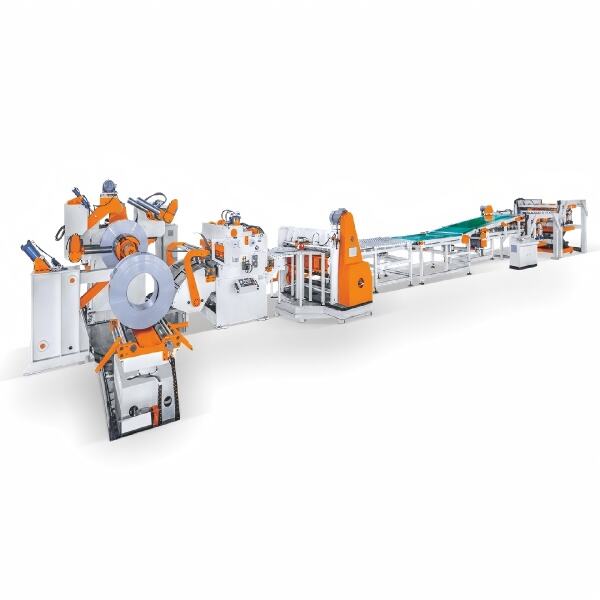
Metal fabrication industries continuously face challenges related to achieving precise flatness and dimensional accuracy in metal plates and sheets. Deformations caused by thermal stress, rolling processes, and material handling often result in warping, camber, and twist that compromise both the quality of finished products and the efficiency of downstream operations. Manual straightening machine technology addresses these challenges by providing controlled mechanical correction through adjustable roller configurations and operator-directed pressure application. Understanding what specifically enables these machines to enhance metal plate accuracy requires examining the mechanical principles, design characteristics, and operational factors that differentiate effective straightening systems from basic leveling equipment.
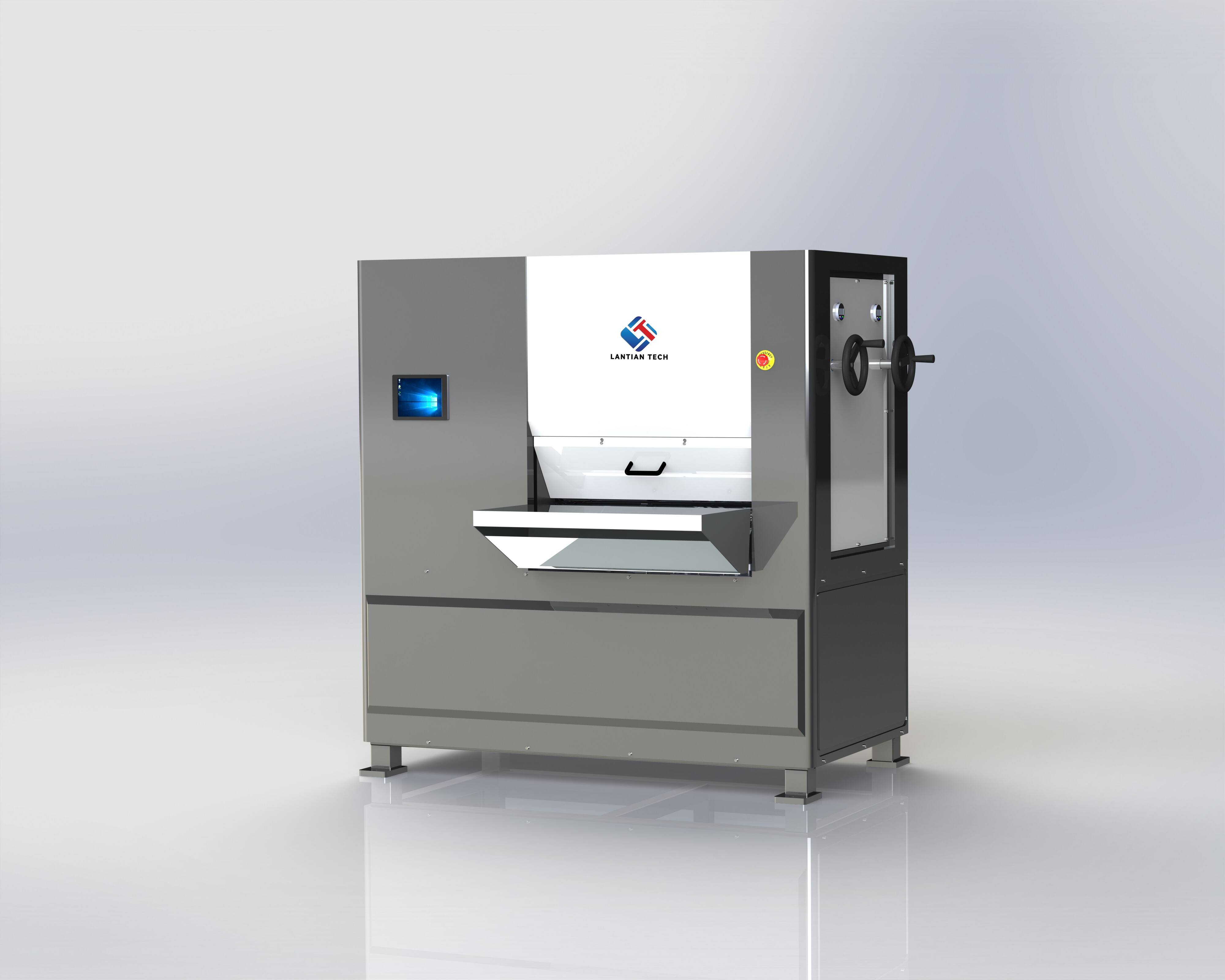
The accuracy improvement capability of manual straightening machine series stems from multiple integrated factors including roller geometry precision, adjustable pressure distribution mechanisms, material flow control features, and the tactile feedback advantages inherent in manually operated systems. Unlike automated straightening equipment that relies on programmed parameters, manual straightening machine systems empower skilled operators to make real-time adjustments based on visual inspection and workpiece response. This combination of mechanical precision and human expertise creates a flexible correction environment particularly valuable for prototype work, small batch production, and applications involving varied material specifications. The following analysis explores the specific design elements and operational characteristics that enable manual straightening machine technology to consistently deliver superior metal plate accuracy across diverse industrial applications.
Mechanical Design Principles That Enable Precision Straightening
Roller Configuration and Diameter Relationships
The fundamental accuracy capability of any manual straightening machine begins with its roller arrangement and dimensional relationships. Multiple-roller configurations, typically featuring five to thirteen working rollers arranged in offset patterns, create sequential bending zones that progressively reduce material deformation. The diameter ratio between upper and lower rollers directly influences the bending radius applied to the workpiece, with smaller diameter rollers generating tighter bends suitable for correcting localized distortions. Precision-ground roller surfaces with hardness ratings typically exceeding HRC 58 ensure consistent contact patterns that prevent secondary marking or surface damage during the straightening process.
Roller spacing geometry plays an equally critical role in accuracy outcomes. The distance between adjacent rollers determines the effective straightening zone length and influences how stress distribution occurs within the material being processed. Manual straightening machine designs with adjustable roller spacing capabilities allow operators to optimize the configuration for different material thicknesses and yield strength characteristics. This geometric flexibility ensures that the plastic deformation induced during straightening remains within optimal ranges that correct distortions without introducing new stress patterns. The precision of roller bearing systems supporting each roller shaft directly affects lateral stability and prevents deflection under load that would compromise straightening accuracy.
Adjustable Pressure Distribution Systems
Achieving superior metal plate accuracy requires precise control over the pressure applied at each roller contact point throughout the straightening operation. Advanced manual straightening machine series incorporate mechanical screw adjustment mechanisms that enable independent positioning of upper rollers relative to the fixed lower roller plane. These adjustment systems typically employ graduated handwheels with vernier scales providing positioning resolution measured in hundredths of millimeters, allowing operators to establish pressure distributions precisely matched to the specific deformation pattern being corrected.
The relationship between adjustment precision and straightening accuracy follows predictable mechanical principles. Each incremental change in roller position alters the plastic deformation induced at that specific location along the material length. Manual straightening machine operators develop expertise in interpreting workpiece response to pressure adjustments, making iterative corrections that progressively eliminate camber, twist, and waviness. The mechanical advantage ratios built into adjustment screw designs ensure that operators can apply substantial straightening forces through manageable handwheel torque while maintaining fine control sensitivity. This balance between force capability and adjustment precision distinguishes professional-grade manual straightening machine equipment from simplified leveling devices.
Frame Rigidity and Structural Stability
The structural foundation supporting the roller assembly fundamentally determines whether theoretical design precision translates into actual straightening accuracy. Manual straightening machine frames constructed from welded heavy-gauge steel with stress-relieved construction provide the rigidity necessary to maintain precise roller alignment under operational loads. Frame deflection during straightening operations, even when measured in fractions of millimeters, directly compromises accuracy by altering the intended pressure distribution pattern across the workpiece width. High-quality manual straightening machine designs incorporate reinforced frame geometries with calculated stiffness characteristics that limit deflection to negligible levels across the full rated capacity range.
Precision machining of roller mounting surfaces within the frame structure ensures that geometric relationships established during machine assembly remain stable throughout the equipment service life. Mounting surfaces machined to parallelism tolerances typically within 0.02mm per meter of length provide the reference planes necessary for accurate roller positioning. Manual straightening machine frames with integral vibration damping characteristics further enhance accuracy by minimizing dynamic disturbances that could affect workpiece position during processing. The combination of static rigidity, geometric precision, and dynamic stability creates the mechanical foundation essential for consistent accuracy improvement across varied metal plate specifications and deformation patterns.
Material Flow Control Features That Enhance Accuracy
Entry and Exit Guide Systems
Consistent metal plate accuracy through manual straightening machine processing depends significantly on precise material guidance during entry and exit phases. Adjustable guide rails positioned immediately before the first straightening roller establish the initial workpiece alignment that determines how deformations present across the material width. These guide systems typically incorporate adjustable side stops with locking mechanisms that maintain consistent lateral positioning throughout batch processing operations. The clearance tolerances between guide surfaces and workpiece edges directly influence whether edge waves and lateral curvature receive uniform correction during the straightening cycle.
Exit guide configurations serve equally important functions in maintaining accuracy gains achieved during the straightening process. Manual straightening machine designs incorporating powered or gravity-assisted exit supports prevent unsupported material weight from inducing secondary deflections immediately following roller release. The transition zone where material exits the final roller pair represents a critical area where residual elastic recovery occurs, and properly designed exit guidance systems accommodate this recovery while preventing reintroduction of dimensional errors. Operators working with manual straightening machine equipment quickly recognize the correlation between guide system adjustment precision and overall accuracy consistency across production runs.
Workpiece Support and Transport Mechanisms
The method by which metal plates move through the manual straightening machine working zone significantly impacts accuracy outcomes, particularly for longer workpieces susceptible to gravitational sagging between support points. Roller table configurations positioned before and after the straightening head provide continuous support that prevents mid-span deflection during material advancement. The spacing between support rollers on these tables follows engineering principles that limit deflection to acceptable levels based on material thickness and span length relationships. Manual straightening machine installations designed for optimal accuracy typically incorporate support roller spacing calculated to maintain workpiece flatness within specifications matching the target straightening tolerance.
Material advancement mechanisms in manual straightening machine systems range from completely manual feeding appropriate for shorter plates to power-assisted drives for handling extended lengths. The consistency of feed rate during straightening operations affects accuracy by influencing how uniformly pressure application occurs along the material length. Variable feed rate capabilities allow operators to slow advancement through sections exhibiting severe deformation, ensuring adequate plastic deformation time for complete correction. This feed rate flexibility, combined with the operator's ability to reverse material direction for multi-pass straightening when necessary, provides process control options unavailable in fixed-parameter automated systems.
Lateral Adjustment and Alignment Capabilities
Correcting twist and lateral curvature deformations requires manual straightening machine designs that accommodate width-direction adjustments in addition to thickness-direction pressure control. Machines equipped with laterally adjustable upper roller assemblies enable operators to apply differential pressure across the workpiece width, creating the asymmetric stress patterns necessary to eliminate twist deformations. The mechanical systems enabling these lateral adjustments typically employ independent positioning screws on each end of the upper roller assembly, allowing precise angular adjustment of the roller axis relative to the material feed direction.
Accuracy in correcting complex three-dimensional deformations depends on the operator's ability to visualize stress distribution patterns and translate that understanding into appropriate lateral and vertical roller positioning. Manual straightening machine operation develops into a skilled craft where experienced operators recognize deformation patterns and intuitively apply the adjustment combinations needed for correction. The tactile and visual feedback available during manual operation provides information density that assists accuracy optimization in ways that sensor-based automated systems struggle to replicate, particularly when processing materials with inconsistent properties or non-standard geometries that fall outside programmed parameter ranges.
Operational Factors Enabling Superior Accuracy Results
Operator Skill and Real-Time Decision Making
The accuracy advantage provided by manual straightening machine technology fundamentally derives from the integration of human judgment and mechanical precision. Skilled operators develop pattern recognition abilities that allow rapid assessment of deformation characteristics and selection of appropriate correction strategies. This expertise encompasses understanding how different materials respond to straightening pressures, recognizing when multi-pass processing provides better results than single aggressive corrections, and identifying the optimal roller position combinations for specific deformation patterns. The manual straightening machine serves as an extension of the operator's problem-solving capabilities rather than functioning as a predetermined automated process.
Real-time adjustment capability represents perhaps the most significant accuracy advantage in manual straightening machine operation compared to automated alternatives. As material advances through the roller array, the operator continuously observes workpiece response and makes incremental positioning changes that refine correction effectiveness. This feedback-driven adjustment process allows compensation for material property variations, thickness inconsistencies, and localized deformation patterns that would challenge preset automated parameters. The manual straightening machine operator effectively performs continuous process optimization throughout each workpiece, achieving accuracy levels that reflect adaptive control rather than fixed programming.
Multi-Pass Processing Strategies
Achieving maximum accuracy improvement often requires strategic use of multiple straightening passes with progressively refined roller adjustments between passes. Manual straightening machine operators employ multi-pass strategies when initial deformations exceed what single-pass correction can address without risking material damage or introducing new stress patterns. The first pass typically applies moderate correction pressure that reduces major deformations by sixty to seventy percent, bringing the workpiece into a range where subsequent passes can achieve final precision without excessive plastic working that might compromise material properties.
Between successive passes through the manual straightening machine, operators refine roller positions based on the remaining deformation observed after each cycle. This iterative approach allows gradual convergence toward target flatness specifications while minimizing the risk of overcorrection that would necessitate reverse bending. Material examination between passes provides information about how the specific workpiece responds to straightening pressures, guiding adjustment decisions for subsequent passes. The flexibility to implement custom multi-pass strategies tailored to individual workpiece characteristics distinguishes manual straightening machine capabilities from single-parameter automated approaches, particularly when processing challenging materials or achieving tight tolerance requirements.
Material-Specific Processing Adaptations
Different metal alloys and temper conditions exhibit varying responses to straightening pressures, requiring process adaptations that manual straightening machine operators can implement immediately without reprogramming or equipment reconfiguration. High-strength alloys with elevated yield points demand greater roller pressures and potentially more aggressive bending radii to induce the plastic deformation necessary for permanent correction. Conversely, softer materials require carefully moderated pressures to avoid surface marking or excessive thinning during the straightening process. Manual straightening machine operators develop material-specific knowledge that informs their adjustment decisions, effectively customizing the straightening process to match each workpiece's mechanical properties.
Thickness variations within individual workpieces present particular challenges that manual straightening machine operation addresses through adaptive pressure control. As material thickness changes along the length or width, the resistance to bending varies correspondingly, requiring pressure adjustments to maintain consistent correction effectiveness. Operators monitoring workpiece response during manual straightening machine processing recognize these thickness-related variations and make compensating adjustments that automated systems might not detect until deviation from target specifications becomes significant. This adaptive capability proves especially valuable when processing as-rolled materials that exhibit normal thickness variation within tolerance bands but still require compensation for optimal straightening accuracy.
Comparative Advantages in Specific Application Contexts
Prototype and Short-Run Production Scenarios
Manual straightening machine technology demonstrates particular accuracy advantages in prototype development and short-run production environments where setup time and adjustment flexibility outweigh throughput considerations. Unlike automated straightening lines requiring extensive parameter programming and test run validation, manual straightening machine operation allows immediate processing with operator-directed adjustments refined during initial workpiece handling. This rapid deployment capability makes manual straightening machine equipment ideal for job shops, prototype fabrication facilities, and production environments characterized by frequent material specification changes and small batch sizes.
The economic efficiency of manual straightening machine systems in low-volume applications stems from eliminating the overhead associated with automated equipment programming and validation. Setup procedures for manual straightening machine operation typically require only basic roller position initialization followed by operator-driven refinement during actual processing. This approach converts what would be non-productive setup time in automated systems into productive processing time where the first workpieces undergo straightening while the operator simultaneously optimizes machine settings. For organizations processing diverse materials in quantities insufficient to justify automated straightening line investments, manual straightening machine solutions provide accuracy capabilities matching or exceeding automated alternatives at substantially lower capital and operational costs.
Non-Standard Material Geometry Processing
Metal plates with irregular geometries, varying widths, or non-rectangular profiles often challenge automated straightening equipment programmed for standard rectangular configurations. Manual straightening machine operators adapt processing approaches to accommodate these non-standard geometries through creative guide positioning, selective roller engagement, and customized feed strategies. The operator's ability to visualize how irregular geometries interact with the roller array enables processing decisions that optimize accuracy despite geometric constraints that would require complex programming in automated systems.
Partial-width straightening applications, where correction targets specific areas rather than the entire plate width, particularly benefit from manual straightening machine flexibility. Operators can position material laterally to engage only the deformed regions with active straightening rollers, leaving already-flat areas undisturbed. This selective processing capability minimizes unnecessary material working and preserves surface quality in regions not requiring correction. The manual straightening machine approach to non-standard geometry processing reflects problem-solving flexibility that translates directly into accuracy advantages for applications falling outside the typical parameter ranges of automated equipment.
Integration With Quality Control Workflows
Manual straightening machine operation integrates naturally with quality-focused production workflows where dimensional verification occurs immediately before and after straightening operations. The operator-paced processing rhythm accommodates measurement procedures including flatness gauge verification, coordinate measuring machine checks, and visual inspection protocols without requiring synchronization with automated cycle times. This quality control integration ensures that accuracy verification occurs on every workpiece rather than relying on statistical sampling approaches typical in high-speed automated production environments.
The immediate feedback loop between quality measurement and manual straightening machine adjustment enables continuous accuracy optimization throughout production runs. When dimensional checks reveal deviations from target specifications, operators implement corrective adjustments before processing subsequent workpieces, preventing accumulation of out-of-specification parts that would require rework. This real-time quality control integration represents a significant practical advantage in applications where material costs or downstream processing investments make scrap prevention economically critical. Manual straightening machine systems functioning as quality control checkpoints within broader production workflows contribute accuracy assurance that extends beyond the straightening operation itself.
Maintenance and Calibration Practices Supporting Sustained Accuracy
Roller Surface Condition Management
Maintaining the accuracy capabilities of manual straightening machine equipment requires systematic attention to roller surface condition throughout the equipment service life. Roller surfaces subjected to repeated contact with metal workpieces gradually develop wear patterns, surface roughening, and localized damage that compromises straightening precision. Regular inspection protocols using surface roughness measurement tools and visual examination under magnification detect early-stage deterioration before accuracy degradation becomes significant. Preventive maintenance schedules for manual straightening machine systems typically specify roller surface inspection intervals based on processing volume and material characteristics, with more frequent inspections warranted when processing abrasive or heavily scaled materials.
Roller resurfacing procedures restore accuracy performance when wear reaches levels affecting straightening results. Precision grinding of roller surfaces reestablishes the cylindrical geometry and surface finish specifications essential for uniform contact pressure distribution. Manual straightening machine maintenance programs incorporating periodic roller reconditioning extend equipment service life while maintaining consistent accuracy capabilities. The relatively straightforward mechanical design of manual straightening machine roller assemblies facilitates maintenance procedures compared to the complex servo systems and sensor arrays requiring specialized service in automated straightening equipment.
Mechanical Adjustment System Calibration
The precision adjustment mechanisms enabling manual straightening machine accuracy require periodic calibration to ensure that indicated positions accurately reflect actual roller placement. Calibration procedures typically employ precision measurement instruments including dial indicators and height gauges to verify that handwheel position markings correspond to actual roller displacement within specified tolerance bands. Discrepancies between indicated and actual positions arising from mechanical wear, thread erosion, or component settling compromise the operator's ability to achieve repeatable accuracy through documented adjustment settings.
Systematic calibration protocols establish baseline measurement standards for each adjustment point within the manual straightening machine system. Documentation of calibration results creates historical records revealing wear trends and informing preventive replacement decisions before accuracy compromise occurs. Organizations maintaining comprehensive calibration programs for manual straightening machine equipment demonstrate measurable accuracy consistency advantages compared to facilities relying solely on reactive maintenance approaches. The investment in calibration infrastructure and procedures reflects recognition that sustained accuracy performance requires the same systematic attention as initial equipment selection and installation.
Geometric Alignment Verification
Beyond roller surface condition and adjustment mechanism calibration, overall geometric alignment of the manual straightening machine frame and roller mounting systems affects accuracy outcomes. Precision measurement procedures verify that roller axes maintain parallel relationships within specified tolerances and that mounting surfaces preserve the flatness and perpendicularity established during initial machine assembly. Geometric verification protocols employ specialized alignment equipment including laser alignment systems and precision straight edges capable of detecting deviations measured in hundredths of millimeters across the machine working width.
Geometric drift occurring gradually through years of operation and accumulated loading cycles may escape detection without systematic verification procedures. Manual straightening machine maintenance programs incorporating annual geometric alignment verification ensure that fundamental mechanical relationships supporting accuracy remain within design specifications. When alignment verification reveals deviations exceeding acceptable limits, corrective procedures including shim adjustments, mounting surface reworking, or component replacement restore geometric integrity. The accuracy improvements achievable through manual straightening machine technology depend ultimately on maintaining the geometric precision designed into the equipment, making alignment verification an essential element of sustained performance.
FAQ
What material thickness range can manual straightening machines accurately process?
Manual straightening machine series typically accommodate material thickness ranges from approximately 0.5mm to 12mm depending on specific model configurations and roller diameter specifications. Thinner materials within the 0.5mm to 3mm range require smaller diameter rollers and lighter pressure applications to avoid excessive thinning or surface damage during straightening. Medium thickness materials from 3mm to 6mm represent the optimal processing range for most manual straightening machine designs, where roller geometry and pressure capabilities align well with typical deformation correction requirements. Thicker materials approaching the upper capacity limits demand maximum roller pressure capabilities and may require multi-pass processing strategies to achieve target flatness specifications. The accuracy achievable across this thickness range depends on matching specific manual straightening machine configurations to the material specifications being processed rather than attempting to use a single machine design for all thickness categories.
How does operator skill level affect straightening accuracy outcomes?
Operator expertise represents one of the most significant variables influencing accuracy results achieved with manual straightening machine equipment. Novice operators typically require several weeks of supervised practice to develop the pattern recognition skills necessary for identifying deformation types and selecting appropriate correction strategies. Intermediate skill levels achieved after several months of regular operation enable consistent accuracy for standard materials and common deformation patterns, though challenging applications may still require experienced operator involvement. Expert operators with years of manual straightening machine experience demonstrate abilities to achieve superior accuracy on difficult materials, complex deformation patterns, and tight tolerance applications that challenge less experienced personnel. Organizations implementing systematic operator training programs including structured skill development progressions and documented best practices achieve more consistent accuracy outcomes across their workforce compared to facilities relying on informal on-the-job learning approaches.
Can manual straightening machines match automated system accuracy for high-volume production?
Manual straightening machine accuracy capabilities can match or exceed automated systems for individual workpiece processing, but throughput limitations make manual operation less suitable for truly high-volume continuous production applications. The accuracy advantage of manual straightening machine technology derives from operator-directed adaptive control that optimizes processing for each specific workpiece rather than applying fixed parameters across production runs. In moderate volume applications processing up to several hundred pieces daily, manual straightening machine systems deliver accuracy matching automated alternatives while offering superior flexibility for material specification changes and non-standard geometries. However, production requirements exceeding these volume levels generally favor automated straightening lines where throughput efficiency outweighs the adaptive control advantages of manual operation. The accuracy comparison between manual and automated approaches depends significantly on application-specific factors including material consistency, deformation pattern uniformity, and tolerance requirements rather than representing an absolute superiority of either technology category.
What maintenance frequency ensures sustained straightening accuracy performance?
Maintaining consistent accuracy from manual straightening machine equipment requires implementing maintenance schedules scaled to processing volume and material characteristics rather than following fixed calendar intervals. Facilities processing clean, scale-free materials in moderate volumes typically perform comprehensive roller surface inspection and adjustment mechanism verification quarterly, with daily operational checks limited to basic cleaning and lubrication procedures. Higher volume operations or applications involving heavily scaled or abrasive materials warrant monthly detailed inspections to detect accelerated wear affecting accuracy before significant degradation occurs. Annual maintenance protocols should include complete geometric alignment verification, adjustment system calibration against precision standards, and replacement of wear components showing measurable deterioration. Organizations tracking accuracy performance metrics correlating maintenance timing with measured straightening results can optimize maintenance intervals to balance accuracy preservation against maintenance cost efficiency, developing facility-specific schedules reflecting their unique operational profiles and quality requirements.
Table of Contents
- Mechanical Design Principles That Enable Precision Straightening
- Material Flow Control Features That Enhance Accuracy
- Operational Factors Enabling Superior Accuracy Results
- Comparative Advantages in Specific Application Contexts
- Maintenance and Calibration Practices Supporting Sustained Accuracy
-
FAQ
- What material thickness range can manual straightening machines accurately process?
- How does operator skill level affect straightening accuracy outcomes?
- Can manual straightening machines match automated system accuracy for high-volume production?
- What maintenance frequency ensures sustained straightening accuracy performance?